
Part 9-1
“Subhuti, what do you think—can a stream-enterer think, ‘I have attained the fruition of stream-entering’?”
Subhuti said, “No, World Honoured One. Why? A stream-enterer is called one who enters the stream, yet does not enter anything. One does not enter form, sound, scent, flavour, feeling, or phenomena—this is called a stream- enterer.”
“Subhuti, what do you think—can a once-returner entertain the thought, ‘I have attained the fruition of once-returning’?”
Subhuti said, “No, World Honoured One. Why? A once-returner is called one who goes and comes back once, but really has no going or coming—this is called once-returning.”
“Subhuti, what do you think—can a non-returner entertain the thought, ‘I have attained the fruition of non-return’?”
Subhuti said, “No, World Honoured One. A non-returner is called one who does not come back, yet in reality there is no return, and that is the reason for the name non-returner.”
Commentary:
This section provides practical examples of the teaching from section 8-3: “Subhuti, what is called the Buddha Dharma is not, in fact, the Buddha Dharma.” This logic applies to the stages of enlightenment: what is called a Sotapanna (Stream-enterer) is not a Sotapanna; a Sakadagami (Once-returner) is not a Sakadagami; and an Anagami (Non-returner) is not an Anagami. These are merely names used for the sake of convenience.
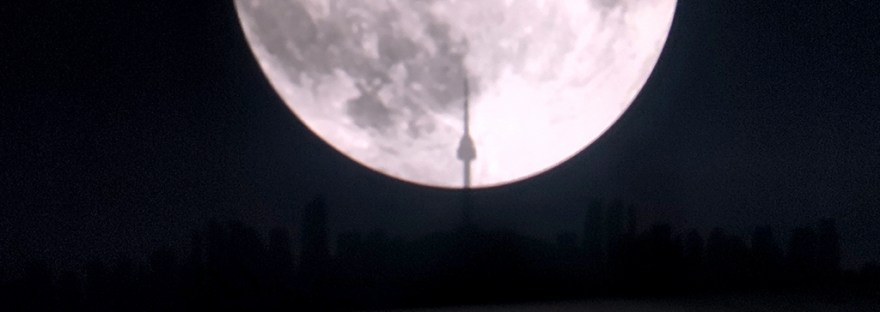
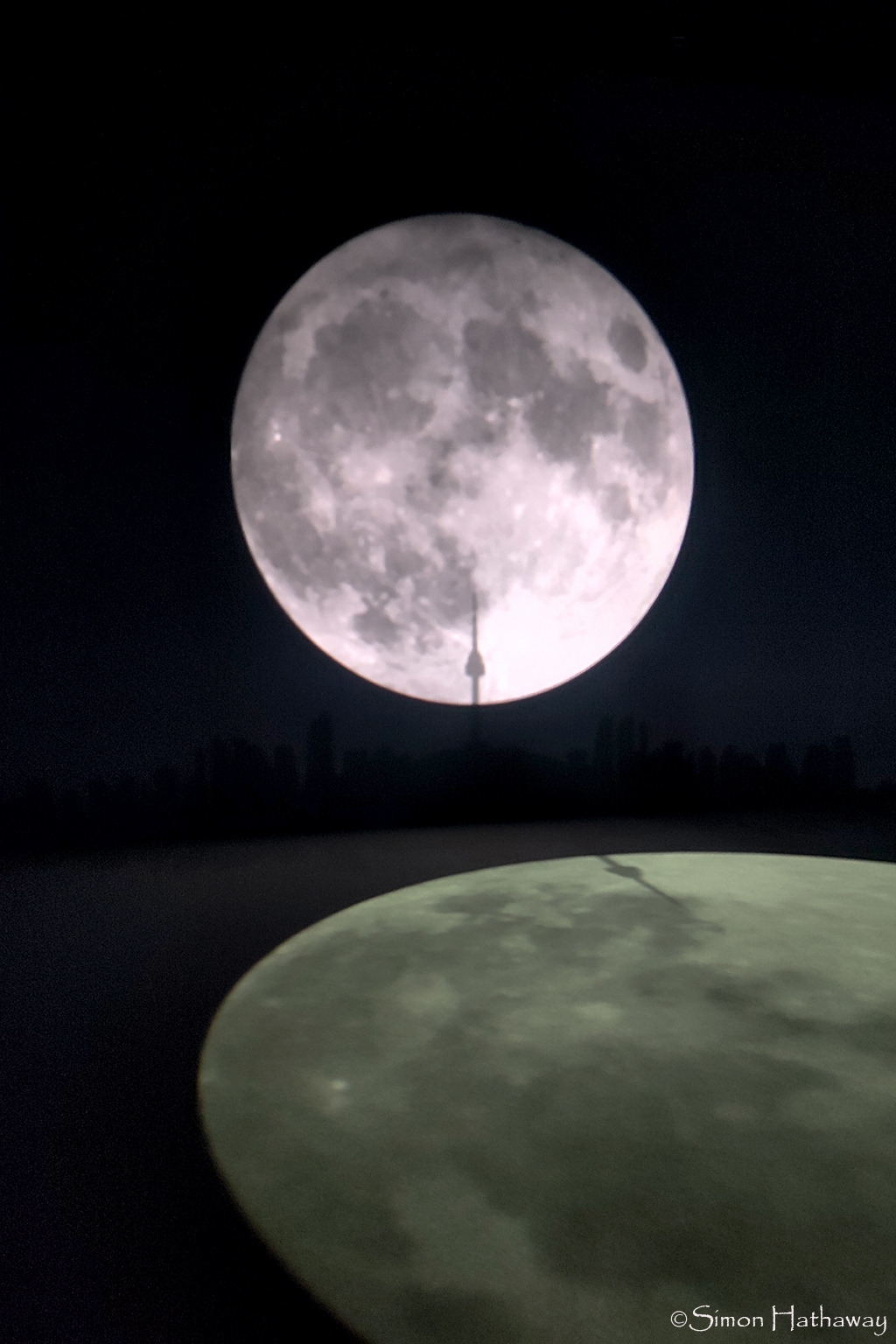
If a Sotapanna is not a Sotapanna, then a ‘saint’ is not a saint, and the objects of perception—form, sound, smell, taste, touch, and mental objects—are not truly those things. We say one ‘enters the stream’, but in truth, there is no ‘stream’ to enter. To believe you have attained such a ‘fruit’ or stage by clinging to words is like staring at the finger pointing at the moon instead of seeing the moon itself.
The Buddha used these words as expedient means to lead sentient beings to see their original nature, the true-Self (Emptiness). However, many fall into the trap of obsessing over the words (the finger) while ignoring the essence (the moon). Attempting to attain enlightenment solely through literal adherence to words is described as ‘trying to bind a wild tiger with wet paper tape’.
Yet, the true-Self does not exist somewhere else, outside of language. It is said that there is nothing that is not Buddha, and no place where Buddha is not present. First and foremost, we ourselves, reading these words right now, are the true-Self (Buddha-nature). Every single letter is a manifestation and a functioning of the true-Self. We must see them as letters and, simultaneously, as the true-Self. This is the meaning of ‘Form is Emptiness, Emptiness is Form’. To know that the word is Buddha and Buddha is the word is to truly know how to read the Sutras.
For example, when reading the phrase ‘Meet the Buddha’, you should see those very words and sounds as the Buddha. If you imagine meeting a physical being that looks like a temple statue, you are being ‘deceived by words’ or following the words’. Seeking the Buddha in this way is like ‘losing the goose in the coop while trying to see the wild crane in the clouds’.
Disciple: “If enlightenment is not enlightenment, why must I attain it?”
Master: “Because you do not truly know that enlightenment is not enlightenment.”
Disciple: “I do know. The Buddha said so.”
Master: “Then, what is your existence?”
Disciple: “I am a human being.”
Master: “According to the Buddha’s words, a human is not a human. If you are not a human, what on earth are you?”
Clinging to what does not exist,
And avoiding what does not exist,
One falls into a non-existent hell,
To receive a non-existent punishment.
Koan:
A monk asked Master Daguang Juhui of Danzhou: “Was Bodhidharma also a Patriarch?”
Master: “He was not a Patriarch.”
Monk: “If he was not a Patriarch, why did he come from the West?”
Master: “Because you do not recognise the Patriarch.”
Monk: “What happens after one recognises him?”
Master: “Then you finally realise he is not a Patriarch.”
Question 1: Why did Master Daguang reply, “He was not a Patriarch”?
Question 2: What is the meaning of ‘Because you do not recognise the Patriarch’?
Question 3: What is the meaning of ‘Then you finally realise he is not a Patriarch’?
©Boo Ahm
All writing ©Boo Ahm. All images ©Simon Hathaway

 Zen Fools