

Part 9-3
“World Honoured One, if I were to entertain the thought that I have attained sainthood, then the World Honoured One would not say Subhuti enjoys the state of sainthood. It is because Subhuti really does nothing that you say Subhuti likes to enjoy the state of sainthood.”
Commentary:
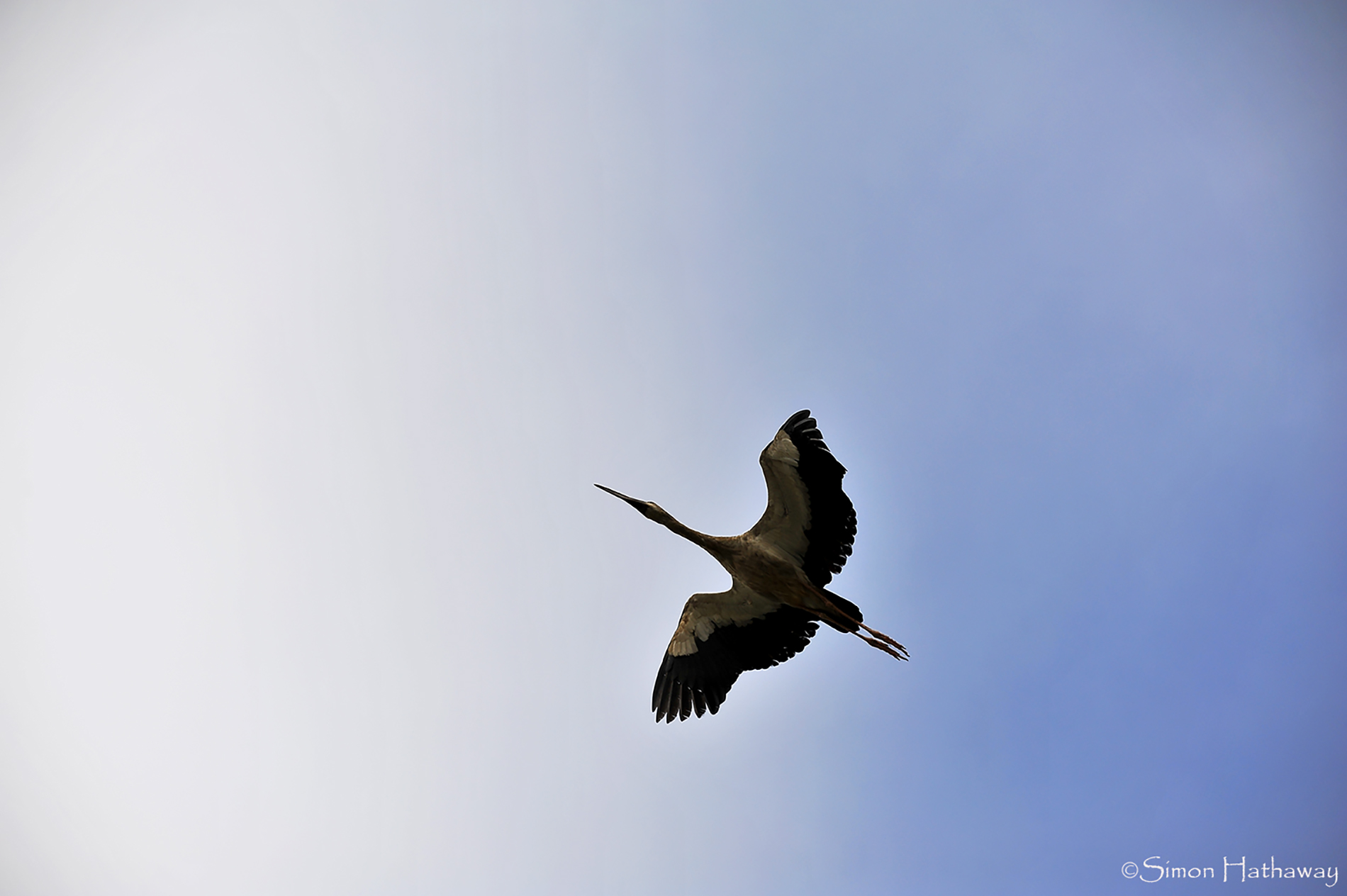
An Arhat is one who has realised Emptiness. If they think, “I have abandoned desire,” they are already trapped in the images of ‘I’, ‘desire’, and ‘abandoning’. A true Arhat acts without acting—this is called ‘Action without abiding’. It does not mean doing nothing, but seeing all actions, including one’s own just like stamping on water, or like a bird flying without leaving a trace.
This is what the Buddha meant by seeing everything as empty.
First, see all movements as the function of Buddha-nature. Second, see all forms as mental images, like a movie. For example, a flower is not essentially a flower but Buddha-nature; it is a flower only because I assume it to be so. Seeing the form and the essence (Emptiness) simultaneously is called ‘Simultaneous form and Emptiness’, or ‘Subtle form amid true Emptiness’. Seeing the form only is to be deluded by illusions.
If you see this way, being wronged will not lead to resentment because it is like a mark on water. Doing good will not lead to pride because it is like a bird’s flight. If you help a friend and later feel betrayed when they don’t help you back when you ask him for help, your past ‘good deed’ has become a weapon for self-harm. This is why ancient masters said, “Doing a good thing is not as good as doing nothing.” This doesn’t mean that we should not do good, but we ought to do it without leaving a trace, that is, without the idea that you did good.
In the Bible, it says, “Let not your left hand know what your right hand is doing,” but Buddha’s teaching is to let not even your right hand know what your right hand does.
Disciple: “If I must do nothing, how should I read this Sutra?”
Master: “If you read it correctly, reading it will become doing nothing.”
Disciple: “What is the correct way to read it?”
Master: “Meet the Buddha within the letters.”
In the Buddha-land, there are no sentient beings.
When there are no sentient beings, there is no Buddha.
Thus, in the Buddha-land, there is no Buddha.
Koan:
A monk asked Master Daidong Guangcheng: “What is the Original Person (the Buddha)?”
The Master replied, “Sitting together, yet you do not recognise him.”
The monk said, “Then, I shall prostrate to you.”
The Master said, “A sorrowful heart, secretly written—to whom should it be sent?”
Question 1: What did the Master mean by “Sitting together, yet you do not recognise him”?
Question 2: What did the Master mean by “A sorrowful heart, secretly written—to whom should it be sent?”
©Boo Ahm
All writing ©Boo Ahm. All images ©Simon Hathaway

 Zen Fools