
Part 10-4
“They (Bodhisattvas) should raise the mind without dwelling on anything.”
Commentary:
This phrase is the core of the Diamond Sutra. Not dwelling means not choosing, not being deceived by words and forms, and seeing things as they truly are. It means living your life without being trapped by appearances.
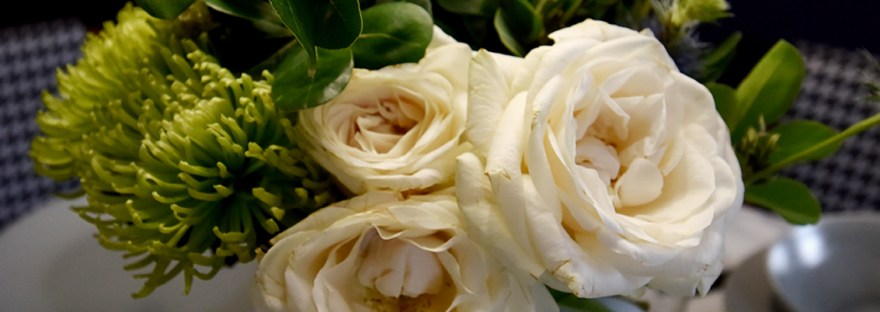
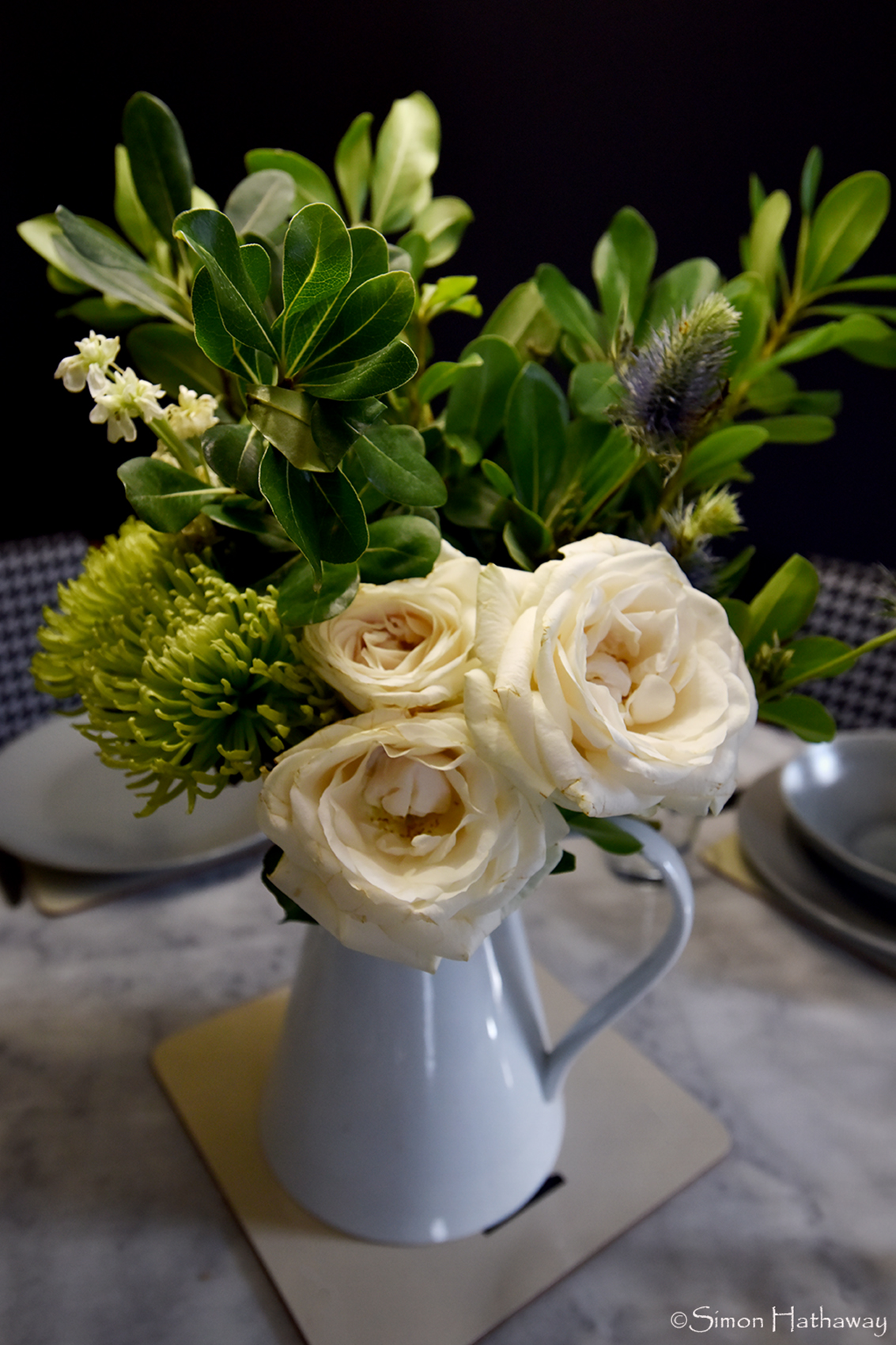
For instance, a rose is called a rose not because it claims to be one, but because we assume so and give it that name. The identity of everything in this world is assigned by human thought. Mt. Everest is high only because we think of it as Mt. Everest and perceive it as high. Everything exists because of our thoughts and imagination. If everything exists through our imagination, then just as our dream is our imagination while sleeping, our waking reality is also our imagination, the function of our mind. This is why Buddha said, “If you see all things as a dream, you will see the true-Self.”
To ‘Have a mind without dwelling on anything’ in the Diamond Sutra is expressed as ‘To see nothing is true seeing; thus one can see all things. But if there is a seeing, this is not seeing at all,’ in The Avatamsaka Sutra. This means when you look at a rose, you should not see it as a fixed reality, but as an illusion created by your mind—a part of the infinite true-Self, just as a wave is part of the ocean. Ancient masters said, “Though the eyes are full, nothing should be seen.”
The Avatamsaka Sutra has another expression:
If you know all things are not real,
you are not deluded by them.
If you know the illusory is originally the truth,
you will see the Buddha.
This means seeing that form is Emptiness. When you see that form is the function of emptiness, you are seeing the Buddha in form. Then, everything you see and hear becomes the Buddha. In short, ‘Dwell on nothing’ means to live freely, no longer bound by imaginary ropes like ropes made of turtle hair.
Disciple: “How can I give rise to the mind without dwelling on anything?”
Master: “Do not dwell.”
Disciple: “How is it when one does not dwell?”
Master: “Stone Woman gives birth to a baby.”
Disciple: “Why do you say such nonsensical things?”
Master: “Because you are dwelling on my words.”
Dwelling and not dwelling
Are both forms of dwelling.
Only when you discard both ends
Will you reach your home.
Koan:
A monk asked Master Jun-ji, “Who is a great practitioner?”
The Master replied, “One who wears a pillory around the neck and is shackled in handcuffs.”
The monk then asked, “Who is a person that creates great karma?”
The Master replied, “One who practises Zen and enters meditative Samadhi.”
Question 1: What is the meaning of wearing a pillory and handcuffs?
Question 2: Why is practising Zen and entering Samadhi called ‘creating great karma’?
©Boo Ahm
All writing ©Boo Ahm. All images ©Simon Hathaway

 Zen Fools