Master Seok-sang said during a dharma talk, “One must know the single phrase transmitted separately outside the doctrinal teachings.” At that moment a monastic stepped forward and asked, “What is the single phrase?” Seok-sang replied, “It is not a phrase.”
Master Woonmoon said, “Only when it is not a phrase does it become a phrase.”
Student: “What is a phrase that is not a phrase?”
Master: “A beautiful woman.”
Student: “That is a phrase.”
Master: “I said a phrase that is not a phrase, but you heard a phrase.”
Commentary:
When a word is not a word, each word is the function of the true-Self.
“How does he expound it for others? Not grasping forms, he is unmoving.”
Commentary:
He who accepts and holds it, reads and recites it, expounds it for others, is never deluded by forms and words, no matter what he may do. So, when he expounds this Sutra, or a four-line verse for others, they are free to use it as expedient means to reveal the true-Self without being swayed by forms and words. He is aware that he is in fact doing nothing while doing his best to lead sentient beings to enlightenment, because he knows that everything is empty.
A. The core of Buddhism is to realise that you are the Buddha, and all your actions are Bodhisattvas. If you happen to think that there is the Buddha, or any Bodhisattva except you, it is nothing but an illusion.
So, bowing to the Buddha, or Bodhisattvas is no more than being deluded by illusions, which runs counter to Buddhism, the Buddha’s teaching.
One day one of Joshu’s students bade farewell to Joshu. Joshu said to him, “Where are you going?” The student answered, “I am going to search for the Buddha.” Joshu said, “Don’t stay where the Buddha is, and go quickly through the place where the Buddha is not. If you happen to meet a person one thousand miles away, don’t respond to him wrongly.”
Hearing this, the student said, “I will not leave then.” Joshu said, “Pick willow flowers. Pick willow flowers.”
Student: “What did Joshu mean by ‘If you happen to meet a person one thousand miles away, don’t respond to him wrongly’?”
Master: “There is no person in the Buddha land.”
Commentary:
There is even no person in the Buddha land. Who would recognise him even if there were a person?
“Subhuti, suppose someone filled infinite incalculable numbers of worlds with precious substances and used these to give in charity. Now suppose a good man or a good woman who has awakened the inspiration for enlightenment holds this Sutra, even so much as the equivalent of a four-line verse, accepts and holds it, reads and recites it, and expounds it for others, the blessing in this will exceed the former.
Commentary:
As mentioned repeatedly in the preceding parts, accepting and holding this Sutra means to realise that everything, including ourselves, is this Sutra, and reading and reciting it signifies to be aware that every sound is the Dharma talk preached by the true-Self. In other words, he who can accept, hold, read and recite this Sutra is one who has realised that he himself is this Sutra itself.
It follows from this that he who knows that he is one with this Sutra sees the true-Self even when he donates a small thing, whilst he who is unaware that he is this Sutra is still deluded by illusions of infinite incalculable numbers of worlds filled with precious substances when he uses these to give in charity.
Student: “Why does the blessing of expounding this Sutra, or a four-line verse to others exceed that of giving infinite incalculable numbers of worlds filled with precious substances in charity?”
Master: “Because one gram of gold is more valuable than an illusion of hundreds of tons of gold.”
A monastic asked Master Pareung, “Is the meaning of the Patriarch the same as the meaning of the Sutras, or different?” The master replied, “A chicken climbs a tree when it is cold, while a duck goes down to the water when it’s cold.”
Student: “What is the difference between the two meanings?”
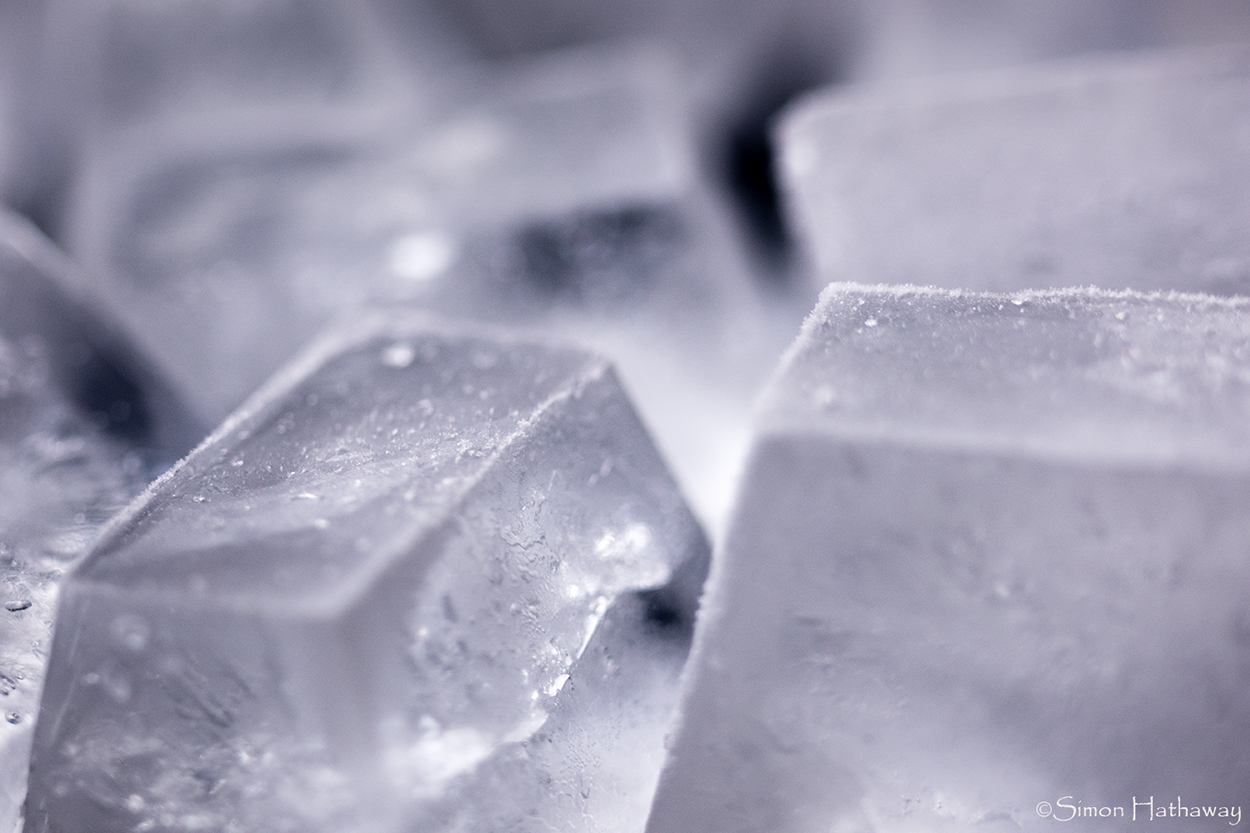
Master: “Water in summer and ice in winter.”
Commentary:
Water, steam and ice are essentially the same although they have different appearances and different names.
“Subhuti, those who aspire to unexcelled complete perfect enlightenment should not dwell on images of things by knowing, seeing, and believing all things in this way. Subhuti, all images of things the Realised One said are not images of things but just called images of things.”
Commentary:
Knowing, seeing, and believing all things in this way means knowing, seeing, and believing all things as they are without being deluded by their forms, their names and their sounds. This is, in other words, to see things as if to see dreams. The reason why the Buddha preached his students not to dwell on images of things in this way is that seeing and hearing all things in this way is no other than unexcelled complete perfect enlightenment, seeing the Buddha, and reaching the Buddha land. This is why an ancient master said, “You are wrong even if you move even a step”, when he was asked how he could reach the Buddha land by one of his students.
If you can see these characters you are reading now as they are, or if you can see any single one of the things surrounding you now as it is, or if you hear any single one of all the sounds that reach your ears as it is, this is to see the Buddha and reach the Buddha land.
Student: “How do things look when I see them in this way?”
Master: “Although your eyes are full, there is not even a single thing.”







 Zen Fools