That is the characteristic of a dream. During your dream everything is as vivid as reality, so you don’t realise that you are dreaming. This is why we are troubled with nightmares.
Who would have such a hard time if we knew that nightmares are just dreams? Only when you awaken from dreaming can you realise that you were dreaming and that your dream was not as vivid as reality.
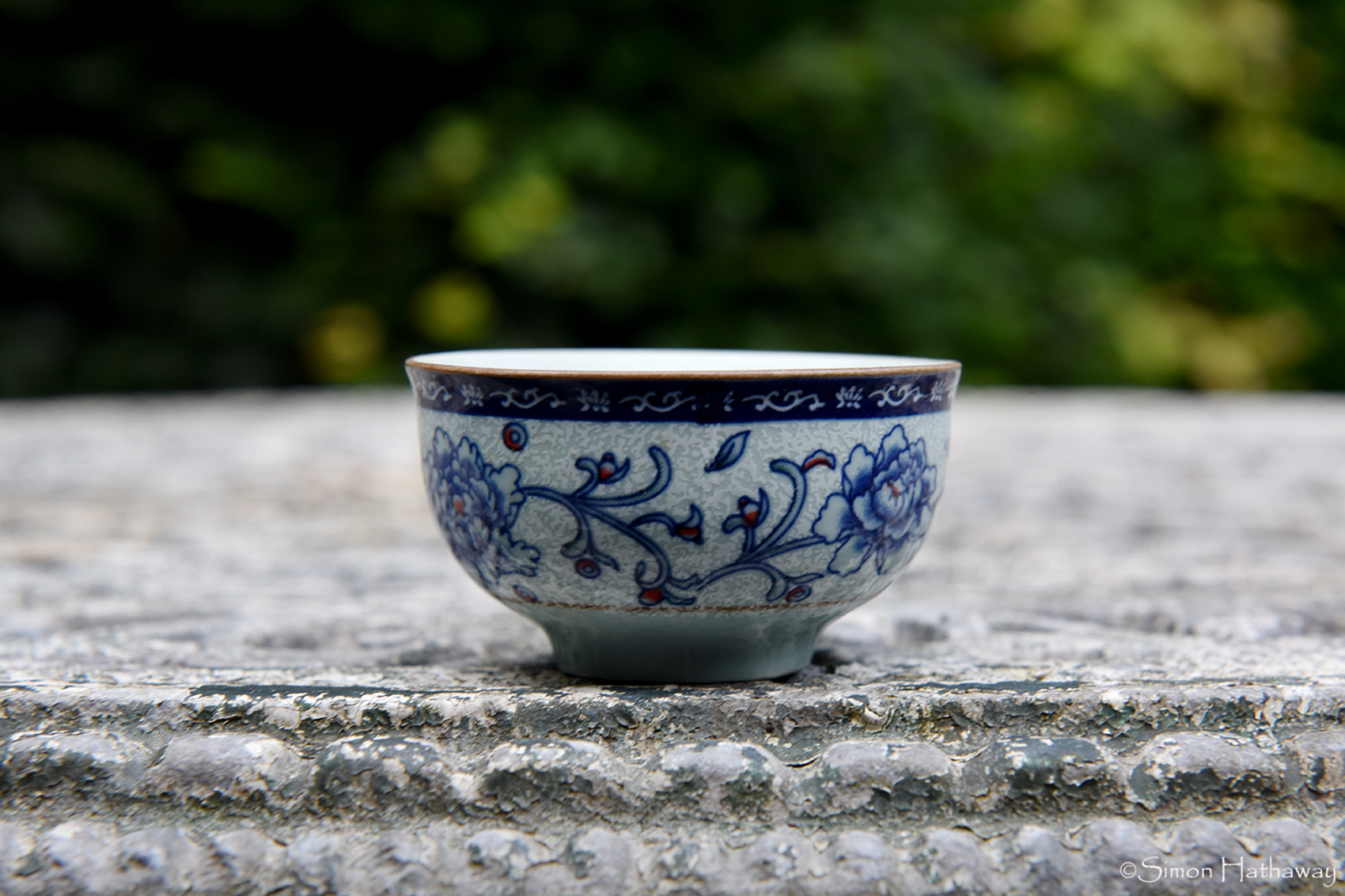
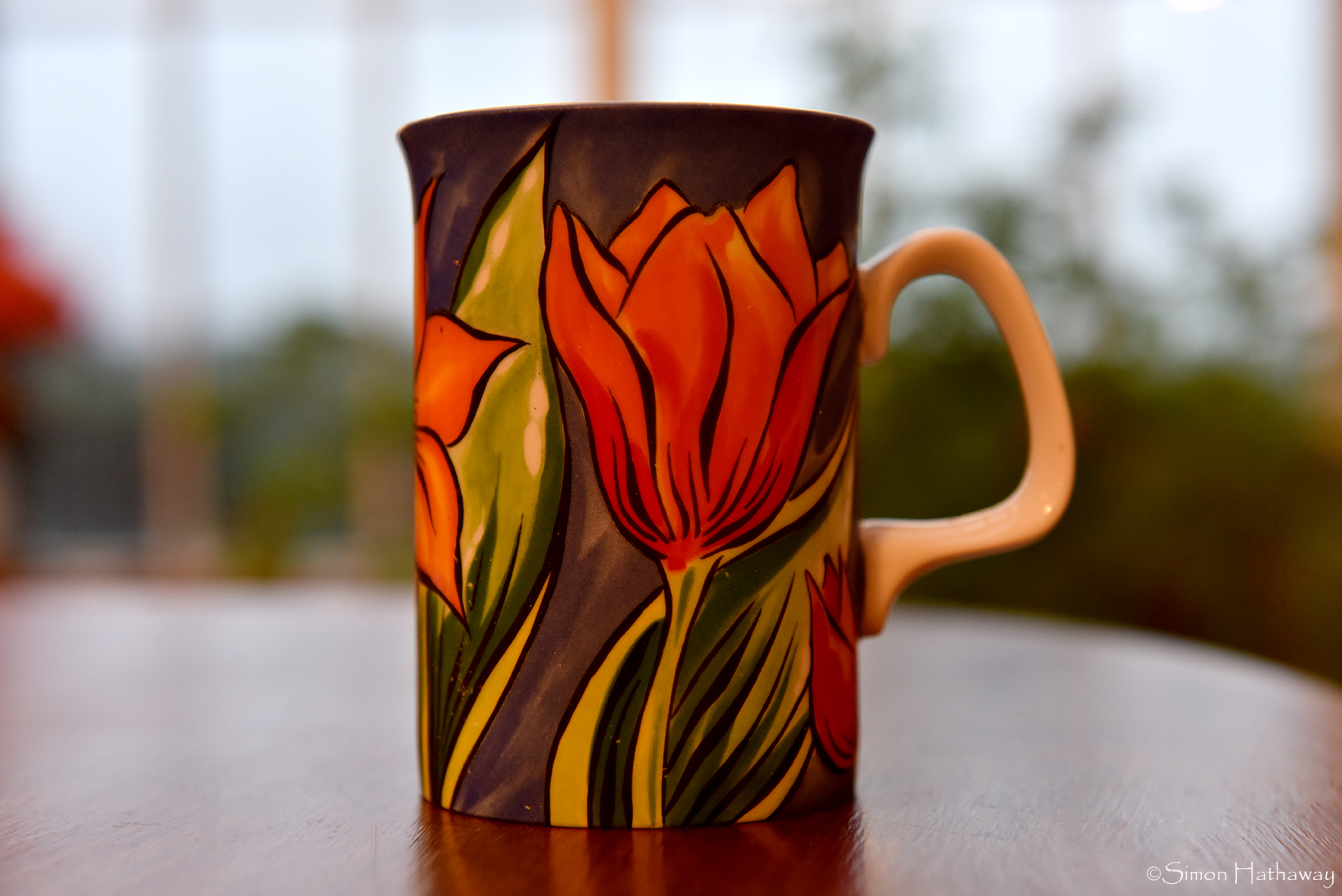
When Sukdu visited Master Hangsa, Hangsa asked him, “Where are you from?” Sukdu said, “I am from Jogae.” Hangsa, raising a cup, said, “Is there a thing like this in Jogae?” Sukdu answered, “Not only does it not exist in Jogae, but it doesn’t exist in India.” Hangsa said, “Have you been to India?” Sukdu responded, “If I had been there, it would exist.” Hangsa said, “That is not yet it. Speak again.” Sukdu said, “You must not leave it all to me. You, too, should say half a word.” Hangsa said, “I don’t mind speaking to you, but I fear that in the future there will be no one who understands.”
Student: “What did Sukdu mean by ‘If I had been there, it would exist’?”
Master: “If you move your fingertip, a country will flourish.”
Commentary:
The Buddha never comes and goes because there is nothing to go to and come from.
The Buddha said to Subhuti, “What do you think—did I, the Realised One gain any kind of Dharma when I, the Realised One was with the Dipankara Buddha in the past?” “No, World Honoured One. You, the Realised One really did not gain any Dharma from the Dipankara Buddha.”
Commentary:
The purpose of Buddha’s teaching is to realise that the essence of all things is Emptiness. As stated in Section 8-3, “What is called the Buddha dharma is not the Buddha dharma; it is merely named the Buddha dharma.” All things appear different only because of the names we conveniently assign to them. In essence, everything is one. This oneness is called ‘Non-duality’ ‘the true-Self’ ‘Emptiness’ or ‘the Buddha’. We must realise that we are all essentially one Buddha.
Sakyamuni Buddha and Dipankara Buddha are not separate entities; they are merely different names for the same single true-Self. This cannot be divided, given, received, or stolen. This is why Subhuti said that Sakyamuni Buddha did not actually obtain any Dharma from Dipankara Buddha.
What, then, is the meaning of the Buddha transmitting the Dharma to Mahakasyapa?
When Buddha held up a flower, Mahakasyapa alone smiled. Buddha said, “I possess the Treasury of the True Dharma Eye… I now entrust it to Mahakasyapa.” By lifting the flower, Buddha was showing the true-Self: My act of moving like this is the function of the true-Self. Kasyapa responded by smiling: My smile is also the function of Buddha-nature. Buddha’s words were expedient means to confirm Kasyapa’s realisation and to show the assembly that his very speech was also the function of true-Self. He did not give something to Kasyapa; he revealed the inherent nature through their interaction.
After Buddha’s passing, Ananda asked Kasyapa, “Did the World-Honoured One transmit anything else to you besides the golden robe?”
Kasyapa called out, “Ananda!”
Ananda replied, “Yes!”
Kasyapa said, “Knock down the flagpole at the gate.”
Through this, Ananda realised that true-Self is something everyone possesses—it cannot be handed over or taken away.
Before enlightenment, there is a Buddha to see, but after enlightenment, one realises they are one with the Buddha. As the ancient masters said, “Now that I finally meet you, I see you are not you,” they realised that the Buddha they sought was themselves.
Disciple: “What did the Buddha want to show people?”
Master: “What you and I are showing to each other right now.”
The Buddha transmits to Kasyapa
Dharma that was never obtained
What is the Dharma not obtained,
And what is the Dharma transmitted?
The blame belongs to the Buddha,
But the calamity belongs to sentient beings.
Koan:
When Bodhisattva Vasubandhu descended from Maitreya’s Palace, Bodhisattva Asanga asked, “The Sutras say that 400 years in the human world is but one day and night in Maitreya’s Palace, and that Maitreya Buddha enables 50 billion heavenly beings to realise the true-Self at once. I wonder, what kind of Dharma does Maitreya preach?”
Vasubandhu replied, “He preaches only this one Dharma. It is just that his Brahma-voice is so clear and beautiful that people love to hear it.”
Question: What is this one Dharma mentioned by Vasubandhu?
Because we are not really aware that there is nothing to know and nothing to attain. It is true that many people who know these words still struggle to attain, or know something. Why? It’s because they have not ascertained in person that everything is empty.
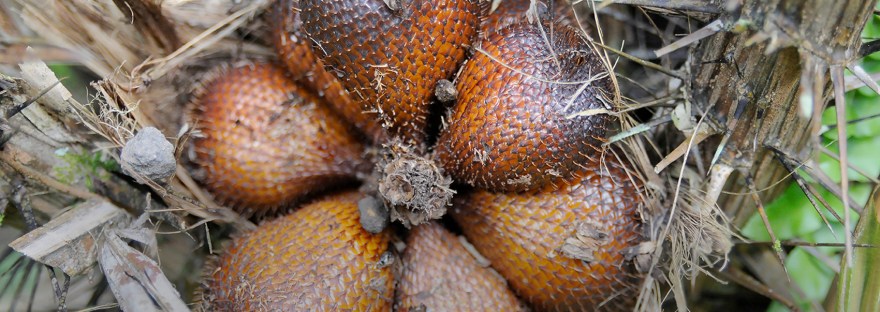
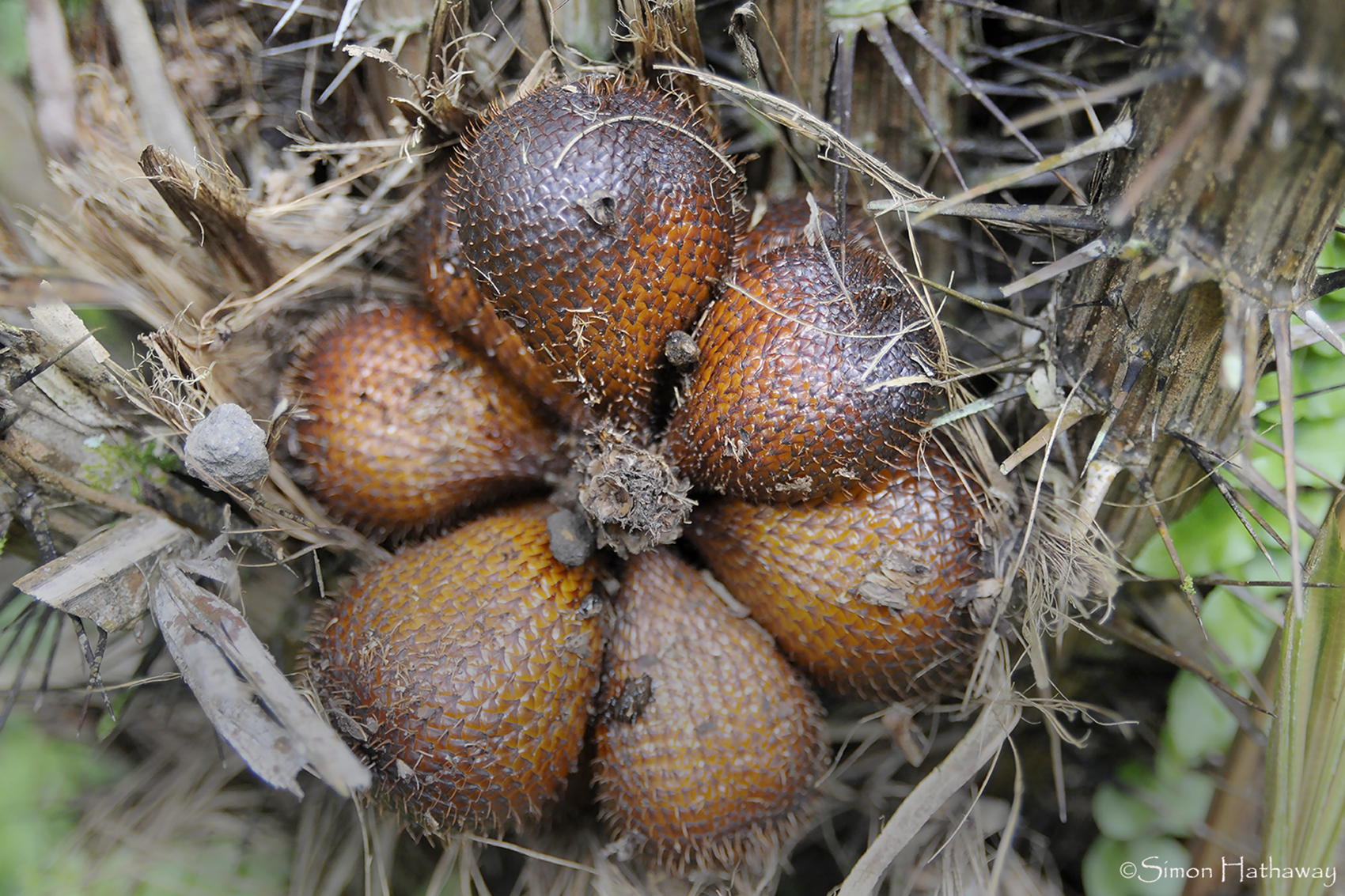
To know the taste of an exotic fruit through reading literature about it is one thing, and trying it once in person is another. The purpose of practice is to experience the fact personally.
When Sukdu visited Master Hangsa, Hangsa asked him, “Where are you from?” Sukdu said, “I am from Jogae.” Hangsa, raising a cup, said, “Is there a thing like this in Jogae?” Sukdu answered, “Not only does it not exist in Jogae, but it doesn’t exist in India.” Hangsa said, “Have you been to India?” Sukdu responded, “If I had been there, it would exist.” Hangsa said, “That is not yet it. Speak again.” Sukdu said, “You must not leave it all to me. You, too, should say half a word.” Hangsa said, “I don’t mind speaking to you, but I fear that in the future there will be no one who understands.”
Student: “Why did Sukdu say that it didn’t exist not only in Jogae but also in India although there were a lot of cups not merely in Jogae but also in India?”
Master: “Because he saw what you can’t see and didn’t see what you see.”
Commentary:
All suffering of sentient beings is from mistaking what doesn’t exist for what exists.
“World Honoured One, if I were to entertain the thought that I have attained sainthood, then the World Honoured One would not say Subhuti enjoys the state of sainthood. It is because Subhuti really does nothing that you say Subhuti likes to enjoy the state of sainthood.”
Commentary:
An Arhat is one who has realised Emptiness. If they think, “I have abandoned desire,” they are already trapped in the images of ‘I’, ‘desire’, and ‘abandoning’. A true Arhat acts without acting—this is called ‘Action without abiding’. It does not mean doing nothing, but seeing all actions, including one’s own just like stamping on water, or like a bird flying without leaving a trace.
This is what the Buddha meant by seeing everything as empty.
First, see all movements as the function of Buddha-nature. Second, see all forms as mental images, like a movie. For example, a flower is not essentially a flower but Buddha-nature; it is a flower only because I assume it to be so. Seeing the form and the essence (Emptiness) simultaneously is called ‘Simultaneous form and Emptiness’, or ‘Subtle form amid true Emptiness’. Seeing the form only is to be deluded by illusions.
If you see this way, being wronged will not lead to resentment because it is like a mark on water. Doing good will not lead to pride because it is like a bird’s flight. If you help a friend and later feel betrayed when they don’t help you back when you ask him for help, your past ‘good deed’ has become a weapon for self-harm. This is why ancient masters said, “Doing a good thing is not as good as doing nothing.” This doesn’t mean that we should not do good, but we ought to do it without leaving a trace, that is, without the idea that you did good.
In the Bible, it says, “Let not your left hand know what your right hand is doing,” but Buddha’s teaching is to let not even your right hand know what your right hand does.
Disciple: “If I must do nothing, how should I read this Sutra?”
Master: “If you read it correctly, reading it will become doing nothing.”
Disciple: “What is the correct way to read it?”
Master: “Meet the Buddha within the letters.”
In the Buddha-land, there are no sentient beings.
When there are no sentient beings, there is no Buddha.
Thus, in the Buddha-land, there is no Buddha.
Koan:
A monk asked Master Daidong Guangcheng: “What is the Original Person (the Buddha)?”
The Master replied, “Sitting together, yet you do not recognise him.”
The monk said, “Then, I shall prostrate to you.”
The Master said, “A sorrowful heart, secretly written—to whom should it be sent?”
Question 1: What did the Master mean by “Sitting together, yet you do not recognise him”?
Question 2: What did the Master mean by “A sorrowful heart, secretly written—to whom should it be sent?”
It is true that discrimination is impossible without memory. However, non-discrimination in Buddhism doesn’t mean to remove all memory. Our lives depend on memory, and we can’t maintain our lives without memory. It is not an exaggeration to say that all the civilizations we human beings have achieved are the fruit of accumulated memory for a long time.
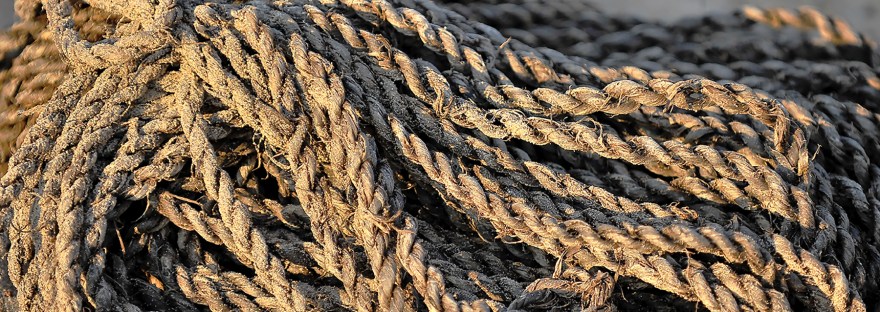
Enlightenment, that is, non-discrimination doesn’t mean to remove all memory and enter the state that is free from memory. It means to realise that all memories are empty and not to be deluded by them. Sentient being’s suffering is being tied and entangled in invisible ropes called memory. This is why the Buddha said that we sentient beings should escape from the invisible ropes by Realising that they are empty.
Venerable Manora said, “Mind flows along with all things, and the place where it flows is truly still and calm. If you realise the true-Self by following the flow, there is neither joy nor sorrow.”
Student: “How is it when we realise the true-Self by following the flow?”
Master: “Father and son meet after a long separation.”
“Subhuti, what do you think—can a saint entertain the thought, ‘I have attained sainthood’?”
Subhuti said, “No, World Honoured One. Why? There is no state called sainthood. World Honoured One, if saints were to entertain the notion, ‘I have attained sainthood,’ that would be fixation on the image of self, the image of person, the image of sentient being, and the image of spirit.”
“World Honoured One, you say I have attained absorption in non-contention better than anyone else, and I am the saint most detached from desire. However, I do not entertain the thought that I am a saint detached from desire.”
Commentary:
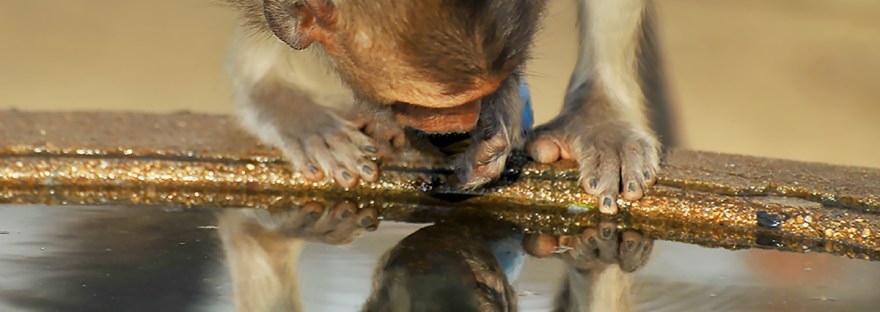
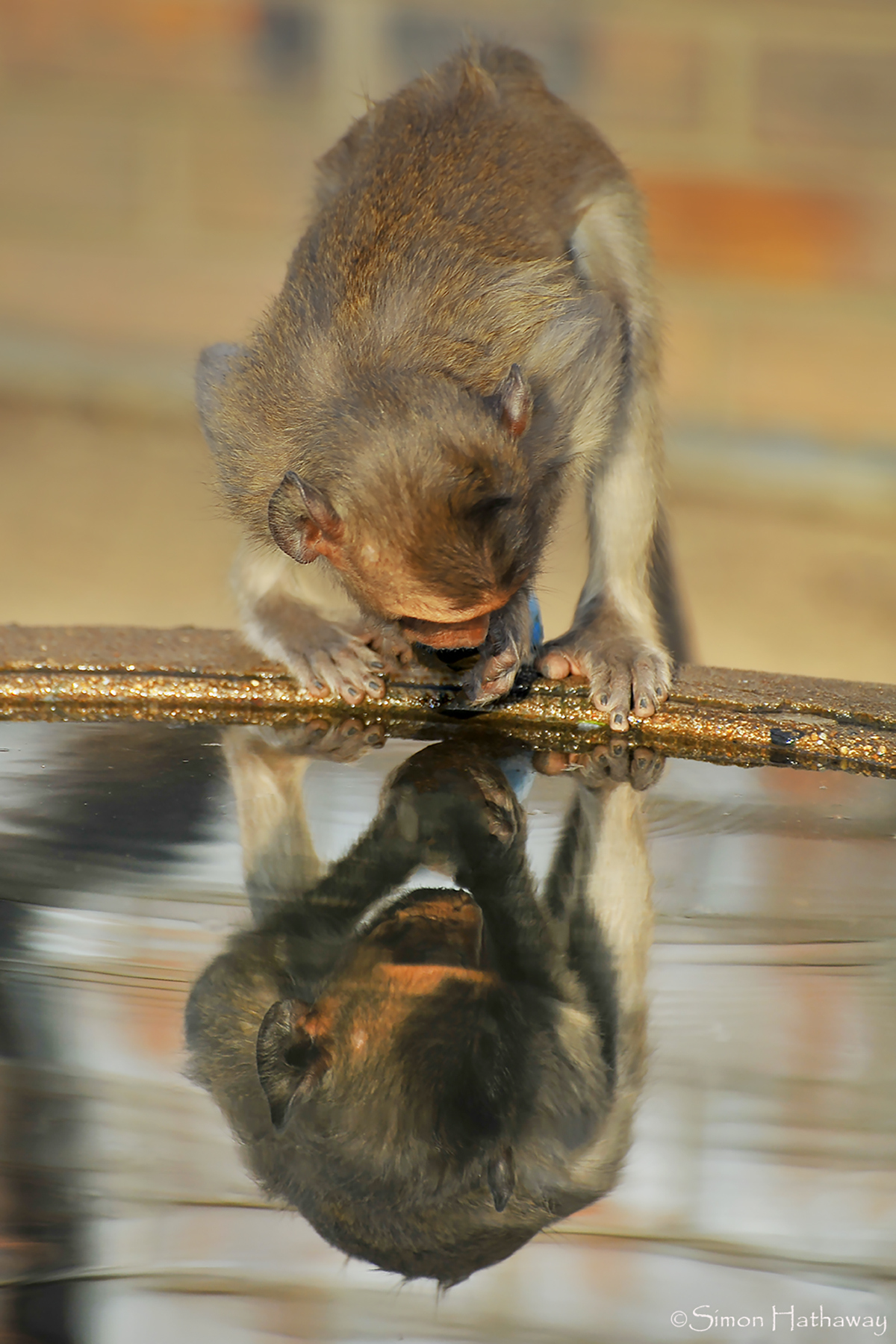
There is a saying: Before practice, it is like a monkey looking into a mirror; after practice, it is like a mirror looking at a monkey. Before practice, we are deceived by words and images, failing to see the truth. We treat illusions as real, trying to gain or discard, approach or avoid them. This is like a monkey mistaking its own reflection for another real monkey.
After practice, one reaches a state where they are no longer swayed by forms. Whether a beautiful or ugly person appears, one does not discriminate. Whether it is a shining gold nugget or a lump of filth, one reflects them equally without attachment or aversion. This is called ‘The Great Perfect Mirror Wisdom’—the mirror simply sees the monkey as it is.
An ‘Arhat’ is one who has transcended forms. A true Arhat does not cling to the label of ‘Arhat’. If one thinks, “I am an Arhat,” he is still trapped in the image of that word. Thus, in the Land of Buddha, there is no ‘Buddha’ who perceives himself as such. Terms like the Buddha, the true-Self. Buddha-nature, Pure Land, or Emptiness are merely ‘names used for expedient means.
If you see this way, then sentient beings, demons, hell, and defilements are also just names. Essentially, there is no difference between the Buddha and a sentient being. Clinging to the word ‘Enlightenment’ or fleeing from ‘illusions’ is an illusion itself. Realising that these are just functions of the true-Self is enlightenment. Therefore, we say, “An illusion is Enlightenment.” Seeing everything as empty leads to the state where all things are one, and no conflict can arise. This is called the ‘Samadhi of Non-conflict’.
Disciple: “What happens if I see the Buddha but do not follow him?”
Master: “The Buddha will follow you.”
Disciple: “Why is that?”
Master: “Buddha is originally one with you. He does not move away when pushed, nor closer when pulled. You can neither follow nor avoid him.”
Disciple: “What if I do not avoid illusions?”
Master: “Then defilement is the Buddha.”
Disciple: “What is the logic behind this?”
Master: “You are originally Buddha, but being deceived by names and forms, your act of following or avoiding is what creates illusions.”
Disciple: “Then, what is Buddha?”
Master: “You are riding the ox while searching for the ox.”
Do not follow the Buddha.
That is the very illusion you seek to avoid.
Do not avoid illusions.
They are the very Buddha you seek to find.
Koan:
Master Yaoshan saw Zun Bunap washing a Buddha statue and asked, “You may wash this one as you wish, but can you wash that one as well?”
Zun Bunap replied, “Please, bring that one to me.”
Yaoshan let the matter rest.
Question 1: What did Yaoshan mean by ‘Can you wash that one?’
Question 2: What did Zun Bunap mean by ‘Please, bring that one to me’?
Birth and death are like right and left. Although the right and left is so necessary and common a notion in our lives that even five-year-old children can distinguish between them easily. However, there is no absolute and concrete fixed right, or left in the world because they are not real but illusionary.
Birth and death are just like right and left. If you are sure that birth and death are just imaginary like right and left, you will realise that there is nothing that will come to an end, because everything you see and hear is also not real but illusionary.
Try to see things as they are without being swayed by images and words.





 Zen Fools