A. When we are ignorant, that is, when we cannot see things as they are, we are deluded by illusions. The Buddha said that sentient beings are drowning in the ocean of suffering because we mistake illusions for real things. For example, we are happy with the illusion of having what we don’t really have, feel unhappy, or frustrated with the illusion of losing what we don’t actually lose and become excited with the illusion of having achieved what we have not achieved.
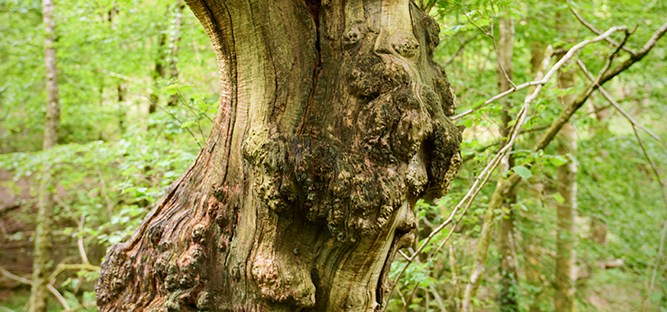
Bodhidharma said that people, looking upon a stump of a tree as a ghost and seeing a rope as a snake in the dark, feel scared. In the same way, we feel guilty of the illusion of having committed what we have not committed. This is referred to as being deluded by illusions. So, ‘there is no sin when we are enlightened’ means that when we are enlightened, we come to realise that sin is also empty.
Student: “If sin is also empty, should I not mind committing a sin?”
Master: “When sin is empty, the purpose of committing a sin is empty as well.”
Deshan was once asked by a monastic, “Who was able to hear Shakyamuni Buddha’s talk at the assembly on Vulture Peak?” Deshan said, “The enlightened heard it.” The monastic said, “I wonder what was spoken at the assembly on Vulture Peak?” Deshan said, “The enlightened understand it.”
Student: “What did the enlightened hear?”
Master: “What do you hear now?”
Student: “What did they understand?”
Master: “It cannot be written down.”
Commentary:
Words are no more than a wrapper, not the contents.
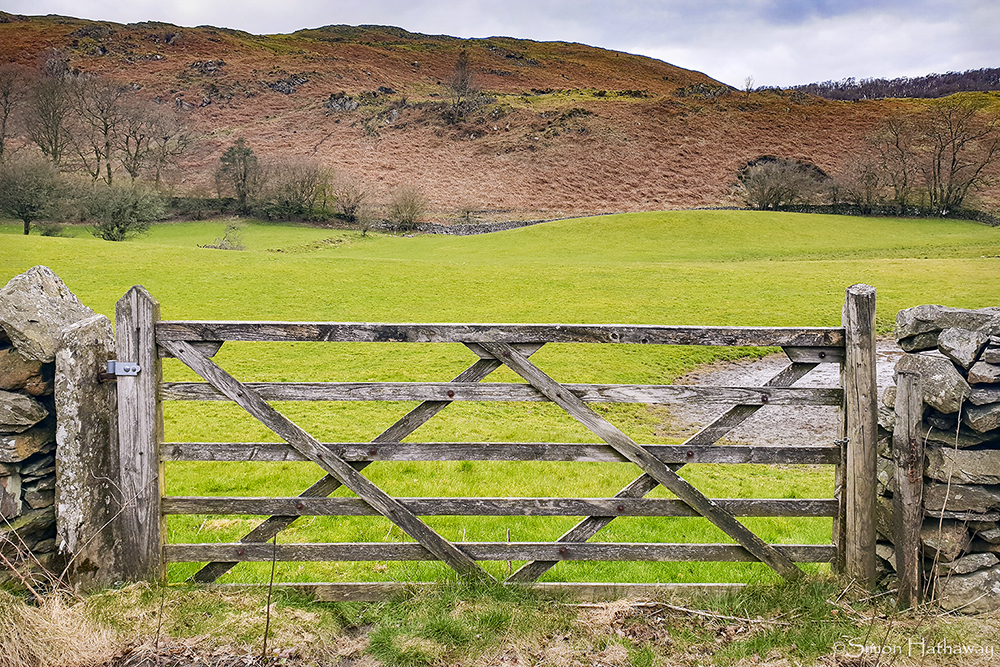
Rinzai had been invited to an army camp for a vegetarian banquet. At the gate post he happened to meet two of the officers. Pointing to the old post, the master asked, “Is this worldly or sacred?” The officers were speechless. Rinzai struck the old post and uttered, “Whatever you can say, it is but a block of wood,” and then went within.
Commentary:
When Rinzai, pointing to the old post, asked the officers, “Is this worldly or sacred?” he meant, “Is this post form or Emptiness in your view?” Rinzai answered his question in two ways. The first was by striking the post, by which he meant, “My act of striking this post and the sound from striking it are the functions of this post and the essence of its being.” The second way was by commenting, “Whatever you can say, it is but a block of wood”, by which he meant, “The essence of this post is neither worldly nor sacred since is nameless. My act of speaking like this is no other than the function of the post because everything is Oneness.” In other words, the purpose of his saying, “Whatever you can say, it is but a block wood” was not to transmit literal meaning but to use it as an expedient for revealing the true-Self that is the essence of the post.
If you apply this question to the things you see and hear in your everyday life, it can be good practice. When drinking tea or coffee, for instance, you can ask yourself, “Is this a mug or Emptiness? How can I see it as empty?”
A. Originally everything is the Buddha, and there is nothing else except the Buddha, which we have divided into many by using imaginary lines and put labels on them. Even though each of the many appears to be different from one another and has a different name, all of them are essentially the same as the Buddha. When we, not aware of this fact, think of the many diverse forms and names as real and attach ourselves to them, the forms and names are referred to as illusions. In fact, although everything that we see and hear is the Buddha, we don’t recognise it because we are deluded by illusions. So, ancient masters would say that the Buddha is hidden in illusions. This is why it is said that all illusions are seeds of the Buddha.
Student: “How can I distinguish an illusion from the Buddha when I see something?”
Master: “What changes is an illusion, and what doesn’t change is the Buddha.”
Master Yabo said, “A beautiful pearl is hidden in a shell. A beautiful gem is hidden in a stone. When we see things around us, it doesn’t seem to exist. However, there is nothing that isn’t revealing it.”
Then, Rinzai asked his senior attendant who was waiting on him, “Was there a fault or not?” The attendant said, “There was.” Rinzai said, “Was the fault with the guest or with the host?” The attendant said, “Both were at fault.” Rinzai asked what the fault was. At that, the attendant left. Rinzai remarked, “Better not say there is no work.” Later on, a monk related the above to Nanzen, who commented, “Two fine horses hit and trampled each other.”
Commentary:
In fact, Rinzai tested his senior attendant with the same pattern of question the old monk had used; the alternative of a fault or not. The attendant made a wise answer to Rinzai’s question by saying, “There was”, which didn’t mean that there was a fault but just revealed the true-Self in the same way that Rinzai had done by giving a Katsu to the old monk. In order to test the attendant a little further, Rinzai raised another question ‘Was the fault with the guest or with the host?’. This was a very crafty question that could entice the attendant into clinging to words, because although Rinzai pretended to ask about the old monk and himself by using the words ‘guest’ and ‘host’, he actually meant forms and Emptiness, the true-Self. To rephrase Rinzai’s question, he meant, “Do you know Emptiness, the true-Self from forms in the conversation and acts that I exchanged with the old monk? The attendant, knowing better than to be deceived by the trick, responded by saying, “Both were at fault.” He might seem to have said that both Rinzai and the old monk were wrong, but he meant, “What I am showing to you by giving my answer is not different from what you and the old monk showed to each other.” Rinzai asked him once more what he meant by the answer ‘Both were at fault’. The attendant also showed the true-Self yet again by leaving Rinzai. ‘Better not to say that there is no work’ means that the short dialogue and acts traded between the attendant and him were not merely worthless wordplay but rather showed the core of Buddhism.
Nanzen’s comment ‘Two fine horses hit and trampled each other’ implies two things; approving two people’s enlightenment and revealing the true-Self, by which he meant, “My act of answering your question is essentially not different from what Rinzai and his attendant revealed to each other.”
Student: “What did Rinzai and his attendant reveal to each other?”
Master: “You and I are revealing it to each other, too.”
A. In fact, anything on the face of the earth and even in the sky is revealing the Buddha. However, you don’t even have to understand the earth, or the universe. All you have to do is to see any single thing such as a simple spoon you use every day, or a flower in your garden just as it is, and you will see in it the Buddha that is the essence of your being.
Every moment of your search is the moment of encountering the Buddha. Every movement of your search is the function of the Buddha. The universe, including you, is merely the visible aspect of the Buddha. You can escape from the true-Self no more than you can escape from yourself.
Master Yabo said, “A beautiful pearl is hidden in a shell. A beautiful gem is hidden in a stone. When we see things around us, it doesn’t seem to exist. However, there is nothing that isn’t revealing it.”
Student: “How is it when the gem doesn’t appear even when I break the stone into pieces?”
Master: “It is not broken.”
Commentary:
What can be broken is stone, and what cannot be broken is the gem.
There was an old monk who came to consult Rinzai. Instead of going through the usual formalities, he at once asked, “Should I bow, or not?” Rinzai gave a Katsu. The old monk bowed. Rinzai said, “A petty thief!” The old monk left shouting, “Robber, robber.” Rinzai remarked, “Better not say there is no work.”
Commentary:
The old monk tested whether Rinzai would be deluded by words through presenting the alternative of a bowing or not bowing. The old monk meant, “Can you recognise the true-Self I am showing to you now without being fooled by my words?” Rinzai, seeing through the tricky question, responded in no time by giving a Katsu, which means, “Of course, I know the true-Self you are revealing to me. This is the very true-Self you are asking of me.” Then, the old monk admitted that he couldn’t deceive Rinzai by offering a bow. Rinzai also approved the old monk’s enlightenment by calling him a petty thief. The old monk praised Rinzai as a great master by addressing him as a robber. Rinzai’s remark ‘Better not to say that there is no work’ means that the short dialogue and acts traded between the old monk and him were not a wordplay but showed the core of Buddhism.
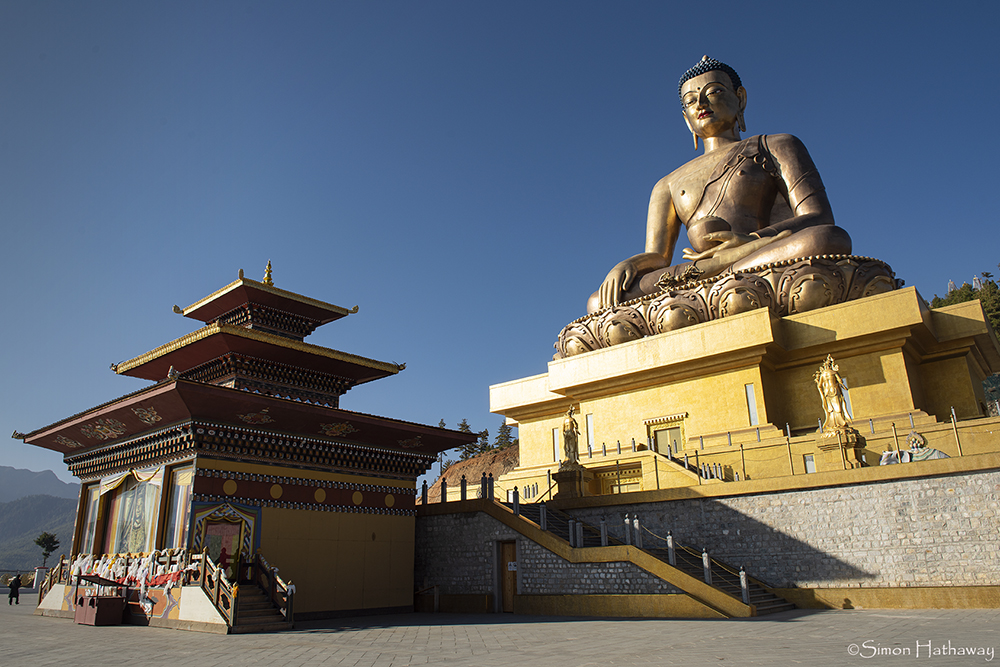
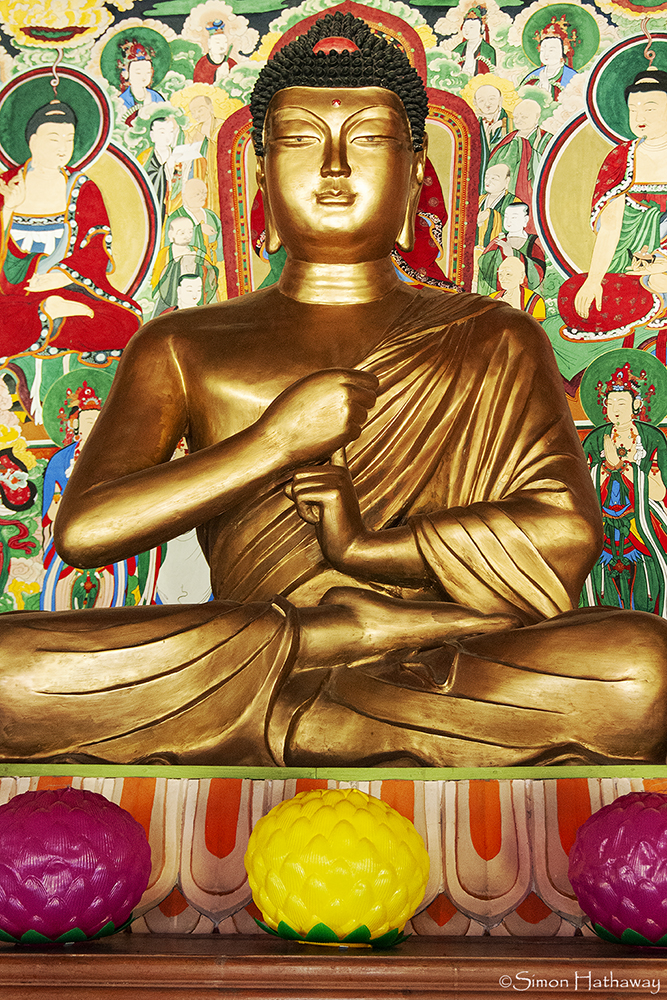
A. This scripture can sound a little confusing because the final goal that all Buddhists want to reach is to see the Buddha. Once upon a time a monastic asked his master, “We live on the offerings which laypeople make to the Buddha. Why do you tell us to kill the Buddha?” The master answered, “Because that is the way you can see the Buddha in person.” The Buddha is Emptiness that is the state without any illusion.
Seeing the Buddha means realising Emptiness. When you realise that everything is empty, there is nothing except Emptiness, which is also referred to as Oneness. Then, you yourself are also empty and part of Emptiness, which implies that you are the Buddha itself. The Buddha is Oneness and you are the Buddha. If you happen to see another Buddha other than yourself, that is not the Buddha but an illusion of the Buddha. This is why one who knows the real Buddha is never attracted or allured by the illusion of the Buddha.








 Zen Fools