There is a saying ‘Don’t waste words on people who deserve your silence’. Who deserves our silence?
Only a person who can hear silence in the noisy deserves your silence.
©Boo Ahm
All writing ©Boo Ahm. All images ©Simon Hathaway


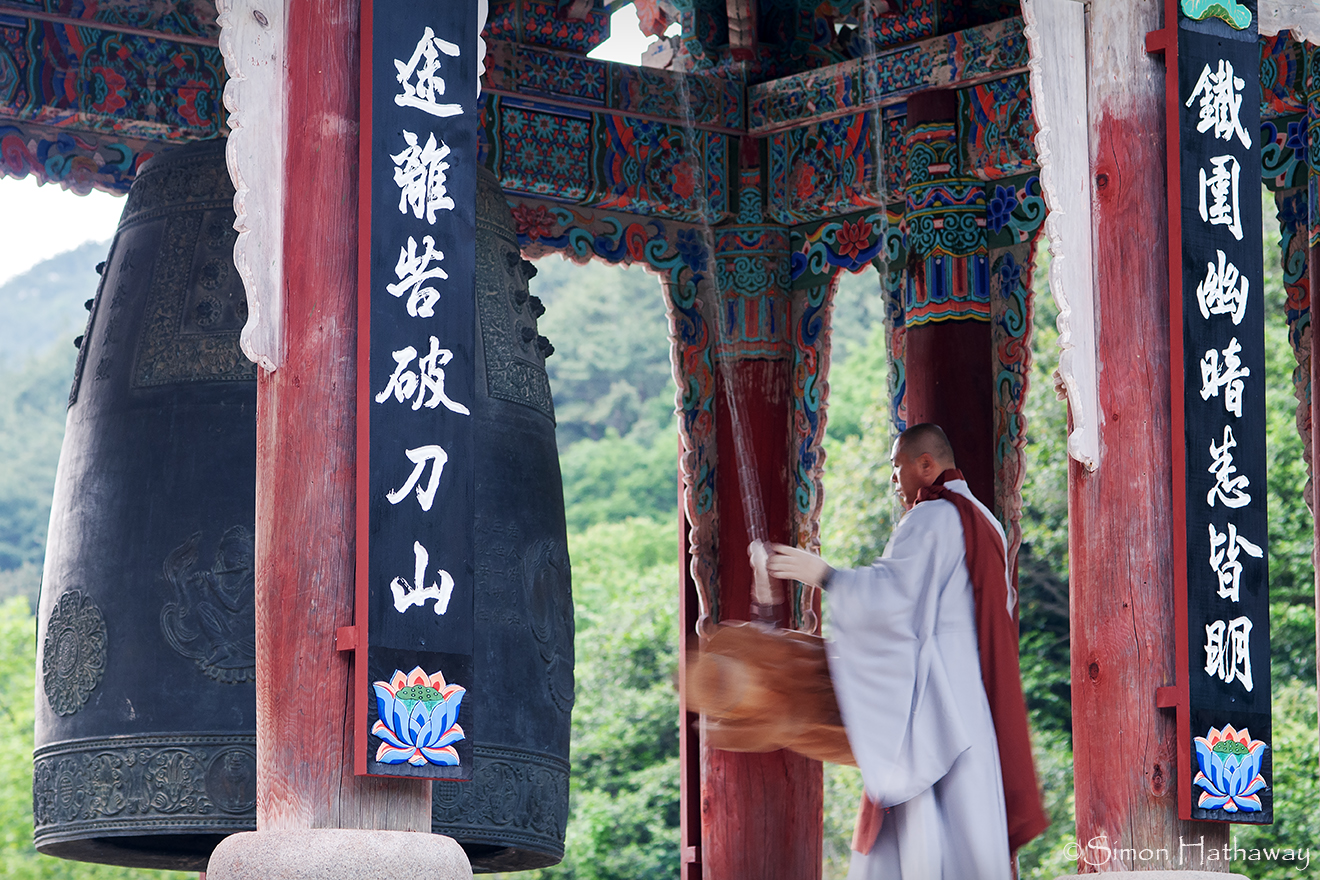
There is a saying ‘Don’t waste words on people who deserve your silence’. Who deserves our silence?
Only a person who can hear silence in the noisy deserves your silence.
©Boo Ahm
All writing ©Boo Ahm. All images ©Simon Hathaway

A monastic asked Master Pareung, “Is the meaning of the Patriarch the same as the meaning of the Sutras, or different?” The master replied, “A chicken climbs a tree when it is cold, while a duck goes down to the water when it’s cold.”
Student: “What is the difference between the two meanings?”
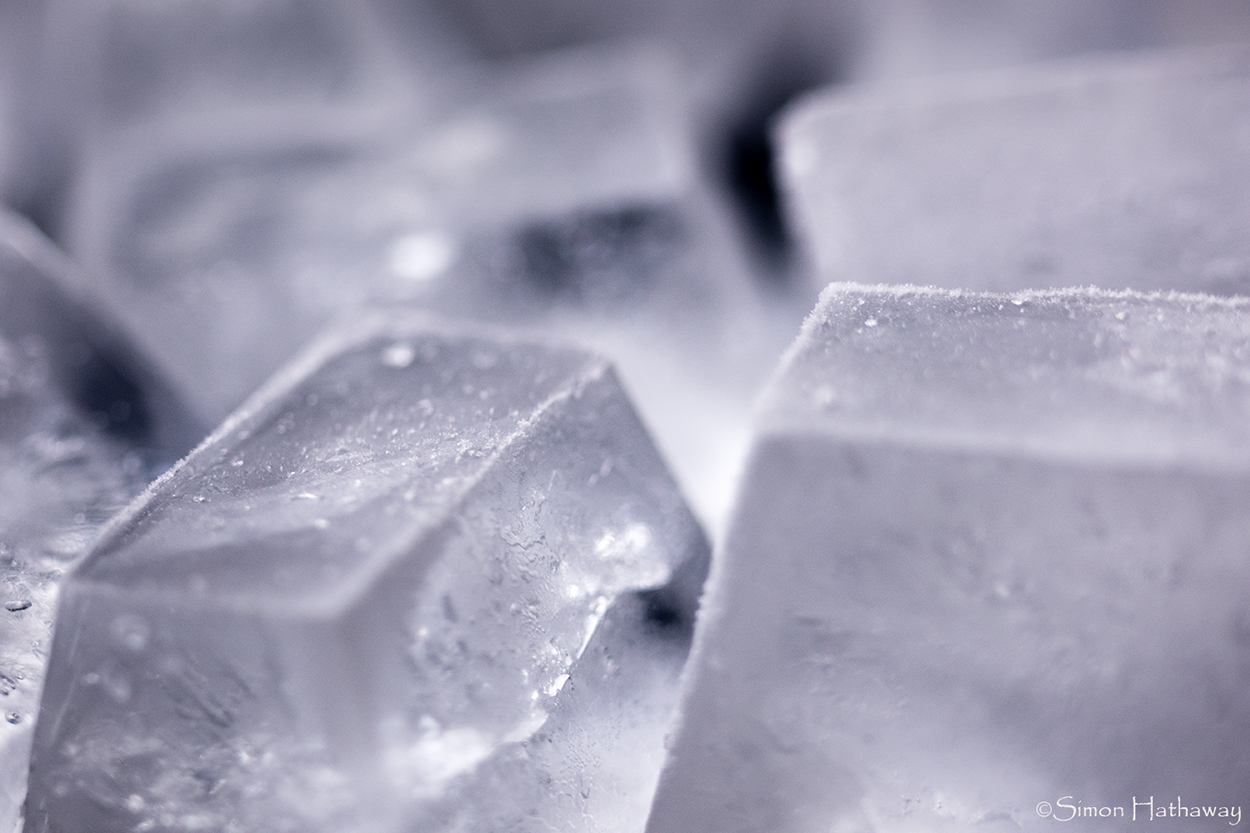
Master: “Water in summer and ice in winter.”
Commentary:
Water, steam and ice are essentially the same although they have different appearances and different names.
©Boo Ahm
All writing ©Boo Ahm. All images ©Simon Hathaway
Part 31-2
“Subhuti, those who aspire to unexcelled complete perfect enlightenment should not dwell on images of things by knowing, seeing, and believing all things in this way. Subhuti, all images of things the Realised One said are not images of things but just called images of things.”

Commentary:
Knowing, seeing, and believing all things in this way means knowing, seeing, and believing all things as they are without being deluded by their forms, their names and their sounds. This is, in other words, to see things as if to see dreams. The reason why the Buddha preached his students not to dwell on images of things in this way is that seeing and hearing all things in this way is no other than unexcelled complete perfect enlightenment, seeing the Buddha, and reaching the Buddha land. This is why an ancient master said, “You are wrong even if you move even a step”, when he was asked how he could reach the Buddha land by one of his students.
If you can see these characters you are reading now as they are, or if you can see any single one of the things surrounding you now as it is, or if you hear any single one of all the sounds that reach your ears as it is, this is to see the Buddha and reach the Buddha land.
Student: “How do things look when I see them in this way?”
Master: “Although your eyes are full, there is not even a single thing.”
©Boo Ahm
All writing ©Boo Ahm. All images ©Simon Hathaway
Diligence signifies to make the best effort to see things as they are, and laziness means being deluded by illusions.
No matter how much money we may accumulate by working diligently, we can’t avoid death unless we can see things as they are.
©Boo Ahm
All writing ©Boo Ahm. All images ©Simon Hathaway

A monastic asked Master Pareung, “Is the meaning of the Patriarch the same as the meaning of the Sutras, or different?” The master replied, “A chicken climbs a tree when it is cold, while a duck goes down to the water when it’s cold.”
Student: “Is there any difference between the two meanings?”
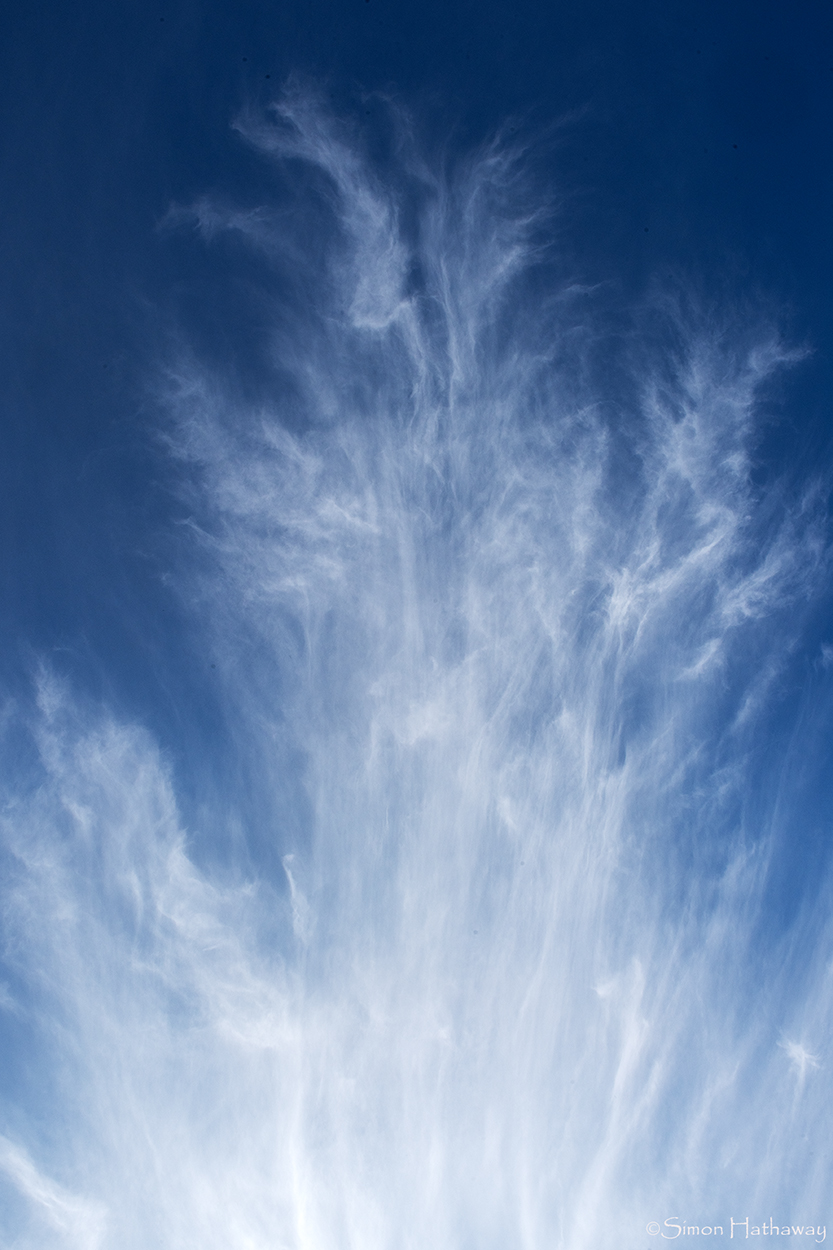
Master: “Clouds in the sky can’t cleave the sky.”
Commentary:
Everyone wears working clothes when working and pyjamas when sleeping.
©Boo Ahm
All writing ©Boo Ahm. All images ©Simon Hathaway

Part 31-1
“Subhuti, if someone says that the Buddha expounded the idea of self, the idea of person, the idea of sentient being, the idea of a liver of life, do you think this person understands the principles I expounded?”
“World Honoured One, this person does not understand the principles expounded by the Realised One. Why? The World Honoured One says that the idea of self, the idea of person, the idea of a sentient being, and the idea of a liver of life are not an idea of self, an idea of person, an idea of an sentient being and an idea of a liver of life, but they are just called the notion of self, the notion of person, the notion of a sentient being, and the notion of a liver of life.”
Commentary:
According to literal and secular interpretations, it is true that the Buddha mentioned such words in part 15-4: “Why? Subhuti, those who take pleasure in small dharmas are attached to the idea of self, the idea of person, the idea of a being, and the idea of a liver of life; so they cannot accept this Sutra, read or recite it, or explain it to others.”
However, anyone who believes that the Buddha said such words fails to grasp the crux of the words preached by the Buddha, because all the words spoken by the Buddha are nothing but a finger pointing to the true-Self, or a vessel for delivering the true-Self. This is why trying to see the true-Self by being immersed in words is likened to struggling to squeeze juice from a dry stick. It is said that accepting the Buddha’s words verbally and passing them on to others in the same way is said to slander the Buddha and cause harm to the Buddha’s body.
Student: “If the Buddha didn’t expound such ideas as mentioned, what did he expound?”
Master: “He didn’t expound but revealed the true-Self.”
©Boo AhmAll writing ©Boo Ahm. All images ©Simon Hathaway

Does Buddhism also think that silence is more valuable than speech?
True silence is not different from speech, and true speech is not different from silence. Silence includes all words, and each word represents silence.

©Boo Ahm
All writing ©Boo Ahm. All images ©Simon Hathaway

A monk asked Master Suksang, “Is there also the meaning of the Patriarch in the teachings of the Sutras?” The master answered, “Yes, there is.” The monk asked again, “What is the meaning of the Patriarch that is within the teachings of the Sutras?” The master said, “Don’t seek it in books.”

Student: “What did Suksang mean by ‘Don’t seek it in books’?”
Master: “He showed the meaning of the Patriarch in the teachings of the Sutras.”
Commentary:
Don’t try to find yourself in your curriculum vitae.
©Boo Ahm
All writing ©Boo Ahm. All images ©Simon Hathaway
Part 30-2
“World Honoured One, the billion-world universe spoken of by the Realised One is not a universe; it is just called a universe.”
“What is the reason? If the universe really existed, it would be a compound; but the Realised One says that a compound is not a compound, it is called a compound.”
“Subhuti, the compound is inexpressible, but ordinary people greedily cleave to it.”
Commentary:
In fact, although similar words were already repeated many times in the preceding parts, nearing the end of this Sutra, the Buddha said the same words again so that people might not accept his Dharma talks only literally. This part says that all words spoken by the Buddha are just illusionary and not substantive.
However, not only all words spoken by the Buddha but all words mentioned by all people around world and all things we see and hear are also just imaginary.
Sentient beings who can’t see and hear them as they are, greedily attach themselves to them and struggle to obtain, or avoid them. When they fail to achieve their goals, they feel unhappy, even angry and frustrated.
This is no other than the three poisons that are ignorance, greed and anger in Buddhism that make people unhappy: Failing to see things as they are implies ignorance, being attracted to them as a result of ignorance is greed, and the result of ignorance and greed is anger.
Student: “If the universe is not the universe, what is it?”
Master: “There is no life and death in it.”
©Boo Ahm
All writing ©Boo Ahm. All images ©Simon Hathaway
Buddhism says that letting go of the past is your first step to happiness. How is it possible to let go of the past that the present is based on?
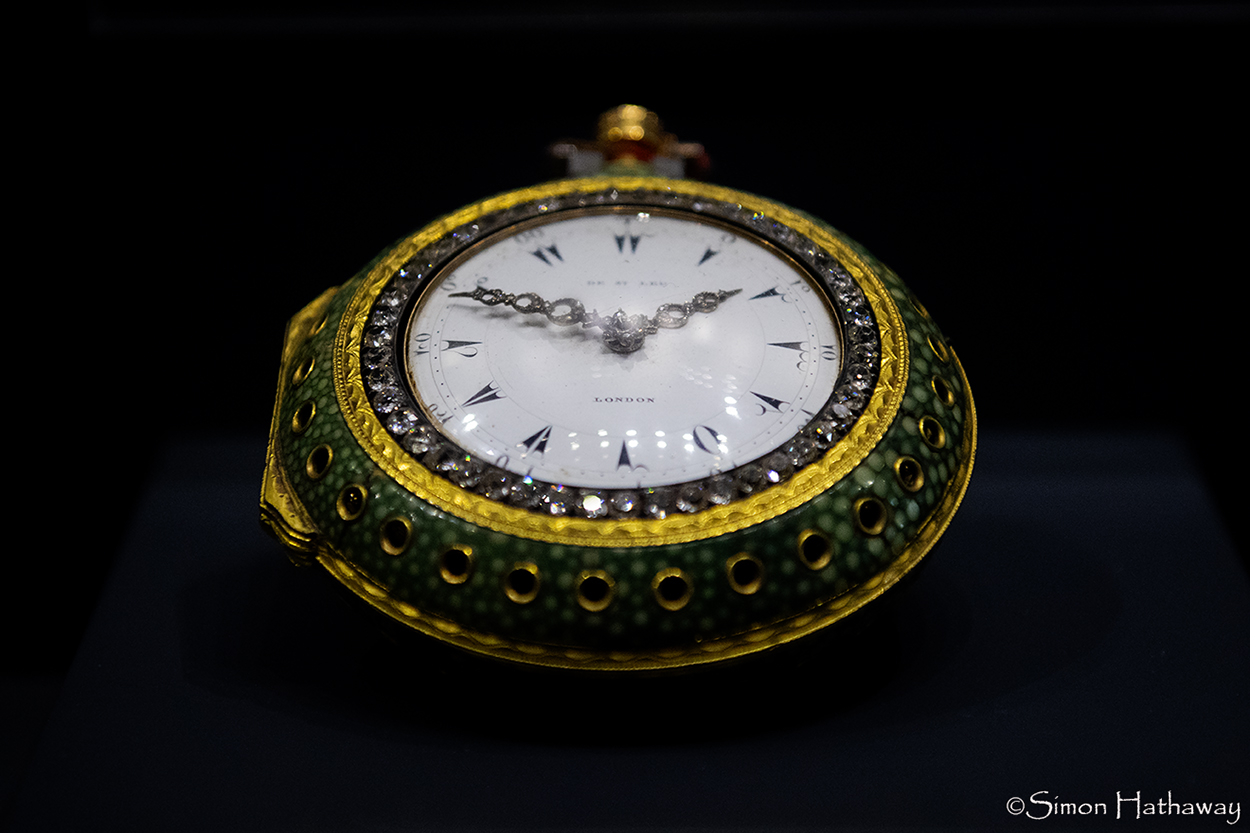
The only way to let go of the past is to realise that not only the past but also the present and the future are not real but illusionary. When you have realised that time is illusionary, you will have reached happiness.
©Boo Ahm
All writing ©Boo Ahm. All images ©Simon Hathaway
 Zen Fools