An old woman sent her servant to deliver alms to Master Joshu and told him to request the master to read the whole Sutra. The master descended from the high seat and walked around the high seat once in a circle. Then, he said, “I have read the whole the Sutra.” When the servant told her what had happened, she said, “I wonder why he just read just half of the Sutra although I requested him to read the whole Sutra.”
Student: “What is the other half that Joshu didn’t read?”
Master: “The woman read it, but you didn’t read it.”
Commentary:
It is impossible to separate what Joshu read from what he didn’t read even with a sharp axe.
“Subhuti, if anyone says the Realised One comes or goes, sits or lies down, this person does not understand the principle I expound. Why? The Realised One neither comes from anywhere nor goes anywhere; that is why he is called the Realised One.”
Commentary:
The Realised One, the true-Self, as mentioned earlier, is boundless, changeless, and nameless. There is nothing that is not the true-Self, just as there is nothing that doesn’t belong to the universe. The true-Self incessantly functions but neither comes nor goes because there is no other place and nothing else but the true-Self. It neither lies down nor stands up because it is boundless and changeless. However, the true-Self is always with us no matter where we may be because there is no place and nothing that is not the true-Self. Even we ourselves are part of the true-Self as well.
Student: “How can the Realised One be with us all the time if He neither comes nor goes?”
Master: “All things, including us, are one with the Realised One.”
A. To see your present life as it is without being deluded by images and words is no other than enlightenment. If you are to know about your afterlife, try to see your present life exactly as it is.
When you see it as it is, you can be aware of not only your afterlife but also your previous life.
An old woman sent her servant to deliver alms to Master Joshu and told him to request the master to read the whole Sutra. The master descended from the high seat and walked around the high seat once in a circle. Then, he said, “I have read the whole the Sutra.” When the servant told her what had happened, she said, “I wonder why he just read just half of the Sutra although I requested him to read the whole Sutra.”
Student: “Why did the woman say that Joshu had read only half of the Sutra?”
Master: “She interpreted what Joshu had read for sentient beings.”
“Why? Subhuti, it is because Bodhisattvas do not receive any blessing.” Subhuti said to the Buddha, “Why don’t Bodhisattvas receive blessings?” The Buddha said, “Subhuti, the blessing produced by Bodhisattvas is not an object of greed and attachment; therefore it is said they do not receive blessing.”
Commentary:
The true blessing discussed in Buddhism signifies enlightenment. So, the blessing produced by Bodhisattvas means unexcelled complete perfect enlightenment. Attaining enlightenment means to realise that everything is one as the true-Self, Emptiness. So, after attaining enlightenment, we become aware not only that there is nothing to receive, or to grant, but that there is no one who gives, or receives because everything is one as Emptiness. This is why ancient masters would say that even if there is enlightenment to attain before getting enlightenment, there is no enlightenment to attain after getting enlightenment.
What can be given and taken is not true blessing but just an illusion.
True blessing is that we become blessing itself. This is why the Buddha said that the blessing produced by Bodhisattvas is not an object of greed and attachment.
Student: “Why don’t Bodhisattvas receive the blessing produced by them?”
Master: “Because it is not what can be given, or received”
An old woman sent her servant to deliver alms to Master Joshu and told him to request the master to read the whole Sutra. The master descended from the high seat and walked around the high seat once in a circle. Then, he said, “I have read the whole the Sutra.” When the servant told her what had happened, she said, “I wonder why he just read just half of the Sutra although I requested him to read the whole Sutra.”
Student: “Why did Joshu walk around the high seat once in a circle?”
Master: “Because you heard only half of what Joshu read.”
Commentary:
The Sutra has no words, which ought to be heard with eyes and seen with ears.
“Subhuti, suppose a Bodhisattva took as many jewels as would fill worlds as numerous as the sand grains in the Ganges River and gave them in charity. Now suppose someone else realised the selflessness of all things and attained tolerance; this Bodhisattva would surpass the blessings attained by the former Bodhisattva.
Commentary:
No matter how many jewels we may give in charity, they are no better than images of jewels and charity, and we are still deluded by images, illusions if we have not realised that everything is empty. In other words, no matter how many good things we may do, we are just being deluded by illusions if we can’t see things as they are, that is, if we are not aware that everything is selfless, that is, that nothing has its own unique nature.
However, once we have realised that everything is empty, or selfless, we are aware that no matter what we may do, whether a small thing, or a tremendous thing, our acts are the functions of the Buddha. This is why the Buddha said that the blessings attained by the latter Bodhisattva would surpass the blessings attained by the former.
Student: “Why is realising the selflessness of all things and attaining tolerance more valuable than giving as many jewels as would fill worlds as numerous as the sand grains in the Ganges River in charity?”
Master: “The body that creates the shadow, although it is much smaller than the shadow, is incomparably more valuable than its shadow.”
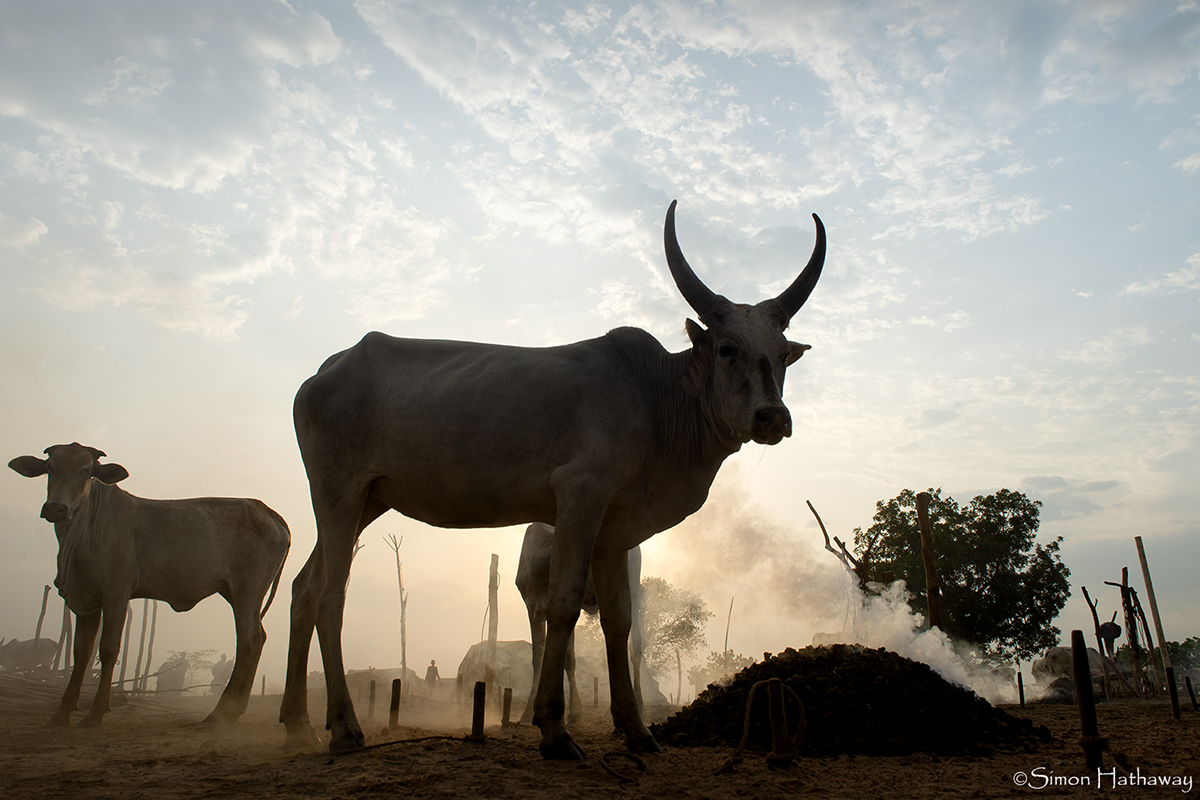
Counting another’s cows means to dwell on the Buddha’s words, or ancient masters’ words without seeing what their words point to. Putting what you read into practice implies to attain enlightenment by seeing what they point to.
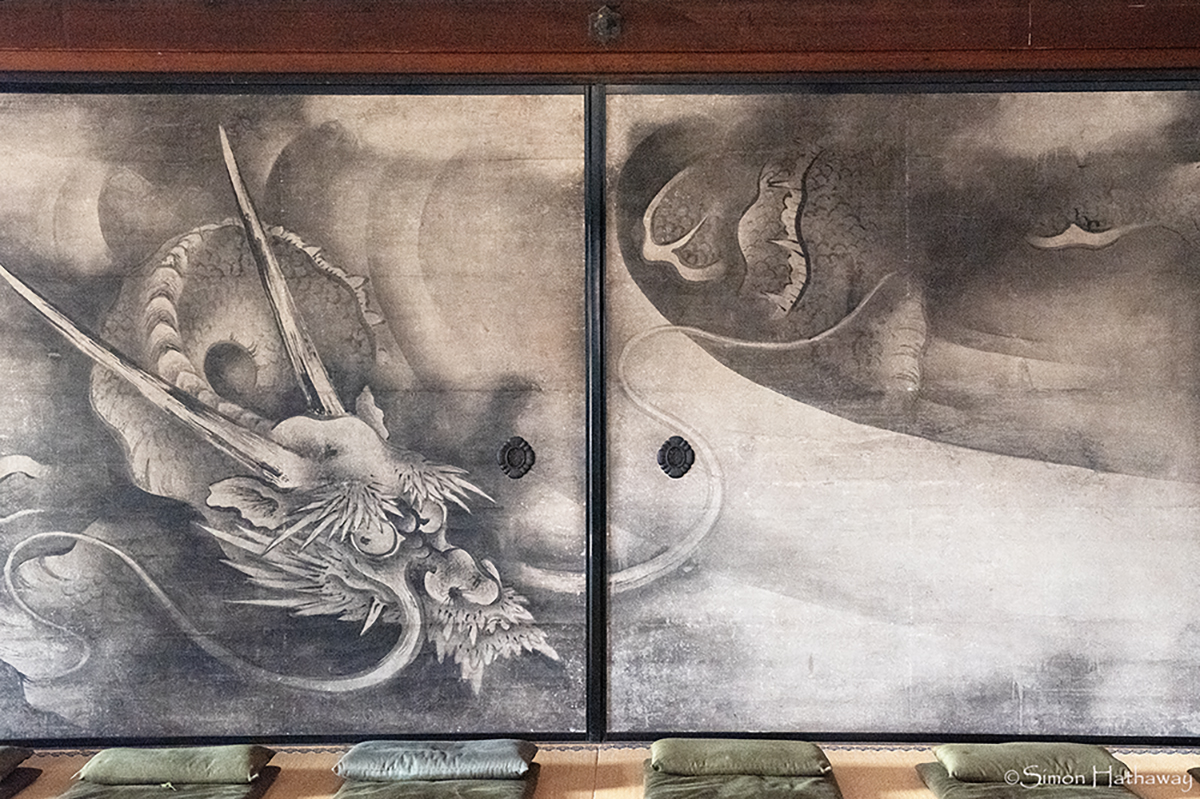
Once upon a time there was a poisonous dragon in a village. It threatened the inhabitants there all the time. They tried to escape from the village, but they couldn’t because of the dangerous dragon. So, they invited 500 monks who had practised meditation a lot in order to expel the dragon out of the village. No matter how hard they tried, they couldn’t expel the dragon. These monks were rather threatened by it as well and they ran away after all. Then, a monk who looked very humble came to the village and offered to help them. The villagers didn’t expect much of him, having seen 500 monks being repulsed by the dragon instead of expelling it. However, as soon as the monk just flicked one of his fingers, the dragon disappeared perfectly.
Student: “How could the humble monk expel the dragon although the five hundred monks failed?”
Master: “Because of karma.”
Commentary:
Don’t think that a poisonous dragon appears to be dangerous and cruel, and the Buddha appears to be handsome and compassionate.