zen

Guishan’s ‘I Have Already Exhausted Myself for You’

Guishan sat on the teaching seat. A monastic came up and said, “Master, please expound the dharma for the assembly.” Guishan said, “I have already exhausted myself for you.” The monastic bowed.

Student: “Why did Guishan say that he had already exhausted himself for them although he had done nothing other than sitting on the teaching seat?”

Master: “The monastic bowed.”

Student: “I still don’t understand why he bowed, either.”

Master: “Your asking questions is no less good than his bowing.”

Commentary:

Rare and valuable talks are not Dharma talks.

©Boo Ahm

All writing ©Boo Ahm. All images ©Simon Hathaway

#zen #meditation #zenmeditation #enlightened #enlightenment #zenfools #photography

zen

Rinzai 153

Those who cannot distinguish good from bad produce the meaning of the Sutras based on their knowledge. This is like keeping a clod of dung in their mouths, spitting it out and feeding it to others and is as if the laity transmit secrets in a whisper. They are but vulgar tongue twisters who spend their whole lives for nothing and yet claim that they are monks and nuns. But when others ask them about the Buddha-Dharma, they shut up and have nothing to say. Their eyes are black chimneys, and their lips are shut up as if they were barred with rafters. That breed, at the coming of Maitreya, will be expelled to another world and will suffer the torments of hell.

Commentary:

As mentioned earlier, the core of Buddhism is not to pile up our knowledge or intellectual understanding but to take a clear look at the true-Self that the Sutras point to. All scriptures and phrases, however plausible and meaningful they may appear, are no more than just wrapping papers with explanation about the contents, the true-Self. Mistaking the wrapping papers for the contents and eating them is more harmful than helpful to us. The more we eat them the more we are harmed. Transmitting them to others is no better than feeding a clod of dung that one has kept in one’s mouth to them. ‘Their eyes are black chimneys, and their lips are shut up as if they were barred with rafters’ means that old monastics who have pursued enlightenment in this way, don’t have the eye of wisdom to see the true-Self and cannot even open their mouths when asked about the true-Self. Fearing that this should happen, an ancient master compared him who sought enlightenment through knowledge to him who tried to tie up a fierce tiger with a wet paper streamer. That’s why Rinzai said that those who seek in this way, even at the coming of Maitreya, would be expelled to another world and would suffer the torments of hell.

©Boo Ahm

All writing ©Boo Ahm. All images ©Simon Hathaway

#zen #meditation #zenmeditation #enlightened #enlightenment #zenfools #photography

zen

Q. Did you ever wake up in the middle of a dream and realise that you are not just dreaming but watching the dream at the same time? Who is the watcher and who is the dreamer?

A. When you see, or watch the earth, you are the earth as well. You are never separated from the earth when you see and hear the earth. A dreamer is a watcher because watching is also dreaming. This is why no one but you can watch your dream when you dream. If a dreamer were not identical with a watcher, others could watch your dreams.

What matters here is that your thinking ‘you are not just dreaming but watching the dream at the same time’ is also a dream. You should know that not only the dream you have during your sleep but also your life itself is no other than a dream. For example, when we see a certain thing with others in the same place at the same time, each of us has different perspectives about it from each other. Each of us doesn’t know what views each of the others has unless they tell us their views about it. It’s because each of us dreams differently. This is why the Buddha said that our lives are dreams. To realise who the dreamer is, is to attain enlightenment.

©Boo Ahm

All writing ©Boo Ahm. All images ©Simon Hathaway

#zen #meditation #zenmeditation #enlightened #enlightenment #zenfools #photography

zen

Doh-oh’s ‘Tell me whether I was right then, or now?’

An ancient master Doh-oh would ordinarily say, “Fine! Fine!” But on his deathbed he cried, “Ouch! Ouch! I feel awful. Bring me meat to eat and wine to drink. The King of Hell is coming to catch me.” His assistant monk asked him, “You would say ‘Fine! Fine!’ all the time before. Why do you cry that you feel awful now?” The master responded, “Tell me whether I was right then, or now?” The monk said nothing, and the master, pushing his pillow away, passed away.”

Student: “Which is right ‘Fine! Fine’ or ‘Ouch! Ouch! I feel awful’?”

Master: “Dad is not different from father, and mum is not different from mother.”

Commentary:

Difference makes calamity.

©Boo Ahm

All writing ©Boo Ahm. All images ©Simon Hathaway

#zen #meditation #zenmeditation #enlightened #enlightenment #zenfools #photography

zen

Rinzai 152

The reason why students of today don’t attain enlightenment is that they are deluded by names and try to attain it by depending on them. They copy the words of late old monks into a big book, wrap it up in three or four layers of cloth and treasure it in the belief that it is the subtle secret. What a great error! Blind idiots, what juice are you looking for in those dry bones?

Commentary:

‘They are deluded by names and try to attain it by depending on them’ means that people try to approach enlightenment by acquiring a lot of knowledge. This is why they are attached to the Sutras or the words of late old monks. Even today, there are people who memorise a whole Sutra from cover to cover and some who copy a Sutra thousands of times. In fact, the historical Buddha cautioned his disciplines not to cling to his words by saying, “Not a word have I said so far.” It is not by piling up or accumulating knowledge but rather by grasping a single word or a phrase that we can attain enlightenment. So, Rinzai compared seeking enlightenment through knowledge to looking for juice in dry bones.

©Boo Ahm

All writing ©Boo Ahm. All images ©Simon Hathaway

#zen #meditation #zenmeditation #enlightened #enlightenment #zenfools #photography
zen

Q. What is the difference between a living phrase and a dead phrase?

A. A living phrase and a dead phrase are expressions used by masters so that they may warn people no to be deluded by words. When you listen to Dharma talks, or read the Sutras, or the Buddhist books on enlightenment, or the true-Self by ancient masters, you should bear in mind that every single word and every phrase contains all the truth that Buddhism says. This is why ancient masters would say to their students, “Grasp only a single word and you will attain enlightenment.”

The phrase ‘everything is the Buddha’, for example, is one of the most common and popular phrases that appear repeatedly in almost all Buddhist books regarding enlightenment. If we understood it perfectly, everything, including the phrase ‘everything is the Buddha’, should look like the Buddha to us, and if so, we would be enlightened. When every phrase looks and sounds like the Buddha to us, it is referred to as a living phrase. Or, when it causes us to doubt and ask ourselves, “How can I see things as the Buddha? How do things appear when I see them as the Buddha?” it is also called a living phrase.

However, when we listen to Dharma talks, or read Buddhist books in the same way we listen to ordinary lectures and read ordinary literature, we are said to be following dead phrases, or to be deluded by dead phrases.

©Boo Ahm

All writing ©Boo Ahm. All images ©Simon Hathaway

#zen #meditation #zenmeditation #enlightened #enlightenment #zenfools #photography

zen

Yuezhou’s ‘Path to Nirvana’

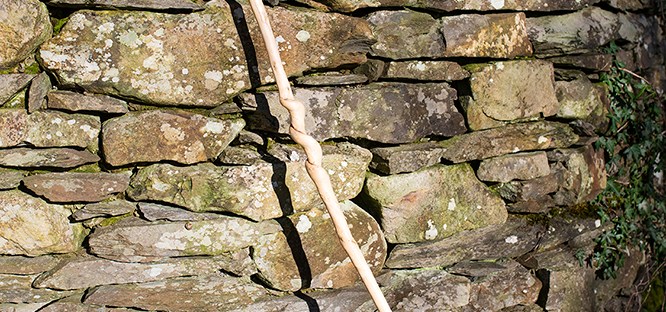
Yuezhou Qianfeng was once asked by a monastic, “Bodhisattvas in the ten directions have one path to the gate of Nirvana. I wonder, what is the path?” Yuezhou drew a line with his staff and said, “It’s right here.”

Student: “Yuezhou, drawing a line with his staff, said, ‘It’s right here’. Where is the ‘here’ he meant?”

Master: “Here.”

Student: “I don’t understand.”

Master: “There.”

Commentary:

Don’t make the mistake of failing to recognise where you are because your eyes are blocked by the word ‘here’.

©Boo Ahm

All writing ©Boo Ahm. All images ©Simon Hathaway

#zen #meditation #zenmeditation #enlightened #enlightenment #zenfools #photography

zen

Rinzai 151

Venerable ones, outwardly speaking by making sound and inwardly trying to work out by thinking and expressing what is in mind are no other than robes. If you take these robes as true teachings, you, even if spending innumerable Kalpas, will only see these robes and transmigrate between birth and death, circulating the Three Worlds. This is not as good as not recognising though meeting and not knowing any name whilst talking together.

Commentary:

Robes imply various illusions. We should not be deluded by the illusions of ourselves created by speaking and thinking. Whether we read the Sutras, meet a great master, or listen to a Dharma talk, if we mistake their robes for true teaching, the chances of our attaining enlightenment are slim to none no matter long we may try. In order to cease being deceived by illusions, you had better pretend not to recognise what you see and hear instead of being deluded by names and forms. This is because you are more likely to try to realise the true-Self when you admit that you don’t know.

Student: “How can I not recognise what I see and hear?”

Master: “See and hear everything without attaching any labels.”

©Boo Ahm

All writing ©Boo Ahm. All images ©Simon Hathaway

#zen #meditation #zenmeditation #enlightened #enlightenment #zenfools #photography
zen

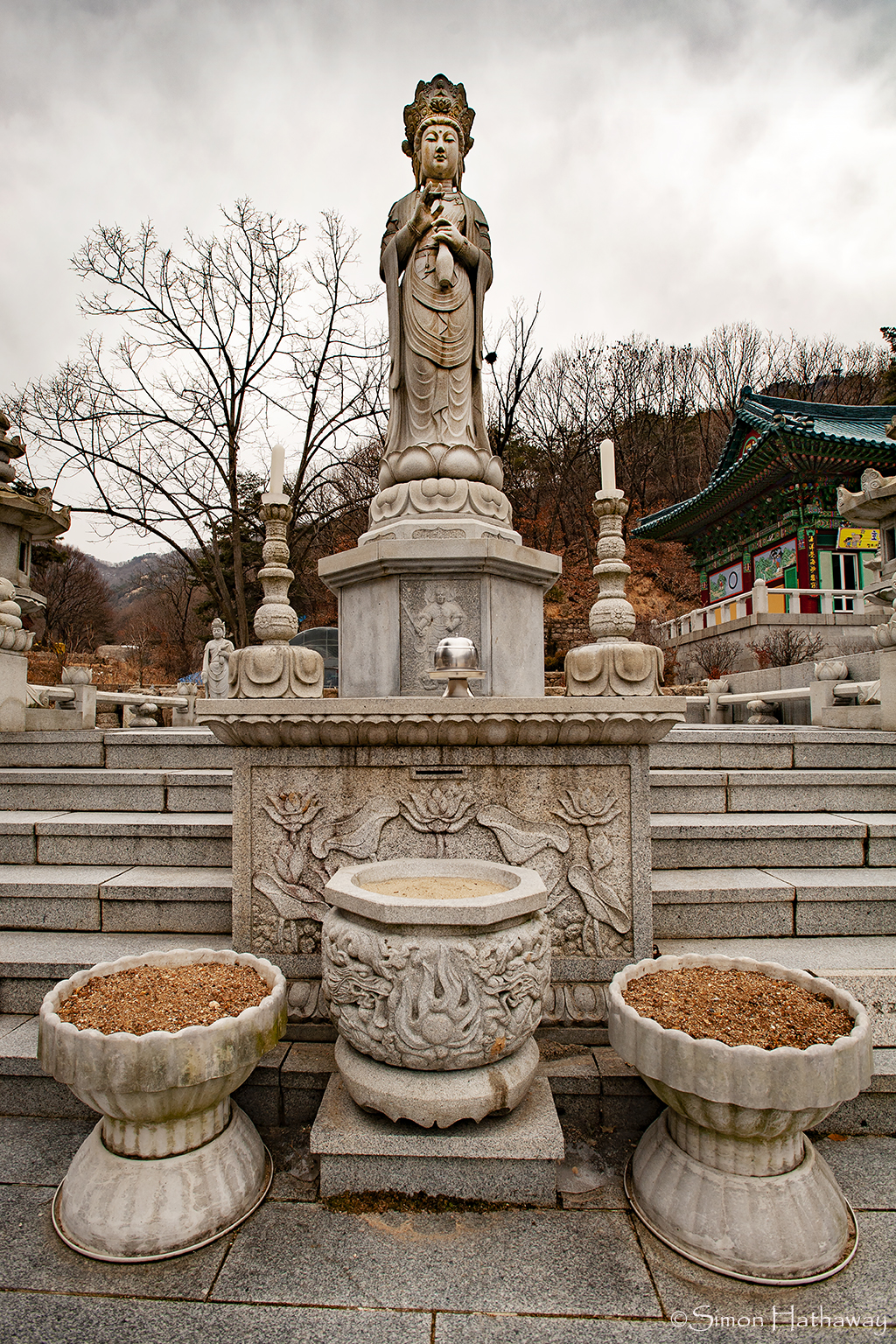
Q. During meditation do I connect to the drop of the ocean that I am, or to the ocean itself?

A. The purpose of Zen meditation is not to connect you to the ocean but to help you to realise that you are already one with the ocean since you, as part of the ocean, have never been separated from it. You should be able to feel the connection not only during meditation but also at all other times just as you are sure that you are part of the earth all the time.

Feeling oneness with the earth only while you are concentrated on feeling it and feeling apart from it when you are not in meditation means that you still don’t know not only what the earth is but also what you are because knowing one is knowing the other.

©Boo Ahm

All writing ©Boo Ahm. All images ©Simon Hathaway

#zen #meditation #zenmeditation #enlightened #enlightenment #zenfools #photography
zen

Wunmoon’s ‘Illness and medicine’

One day Master Wunmoon said to his disciples, “Illness and medicine perfectly fit each other. Is the food on the table before you illness or medicine?” Nobody answered the question.

Student: “How can we know whether the food on the table before us is illness or medicine?”

Master: “It is medicine when there is no distance between you and the food. It’s illness when there is any distance between you and the food.”

Student: “Do you eat the medicine all the time?”

Master: “I am not ill.”

Commentary:

There is neither illness nor medicine to a man of health.

©Boo Ahm

All writing ©Boo Ahm. All images ©Simon Hathaway

#zen #meditation #zenmeditation #enlightened #enlightenment #zenfools #photography