There are countless people who can read the Sutra, but few who can grasp the Buddha’s teaching. Reading the Sutra is one thing, and understanding the Buddha’s teaching is another.
©Boo Ahm
All writing ©Boo Ahm. All images ©Simon Hathaway


There are countless people who can read the Sutra, but few who can grasp the Buddha’s teaching. Reading the Sutra is one thing, and understanding the Buddha’s teaching is another.
©Boo Ahm
All writing ©Boo Ahm. All images ©Simon Hathaway

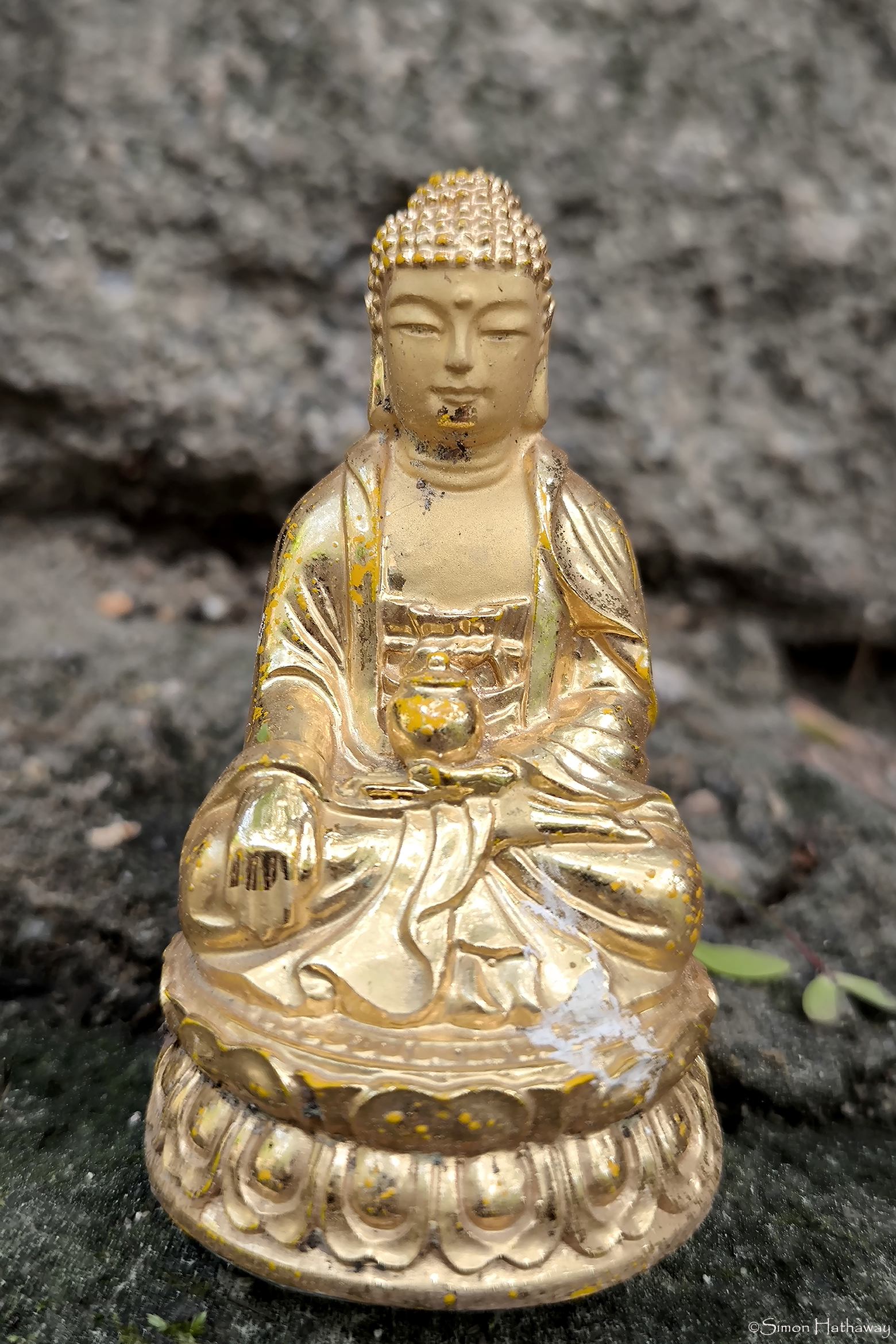
When a monk asked Ahmdu, “How can we recognise the true-Self amongst illusions?”, he answered, “You should fill a coppered oil bottle to the brim.”
Student: “What did Ahmdo mean by his answer?”
Master: “He showed the true-Self amongst illusions.”
Commentary:
You should remove all make-up to see whether a woman is a beauty, or not.
©Boo Ahm
All writing ©Boo Ahm. All images ©Simon Hathaway
Part 15-3
“If there are people who can accept and hold, read and recite, and explain this Sutra extensively to people, the Realised One knows all these people and sees all these people; every one of them achieves immeasurable, incalculable, boundless, inconceivable virtues. Such people are in effect bearing the unexcelled complete perfect enlightenment of the Realised One.”
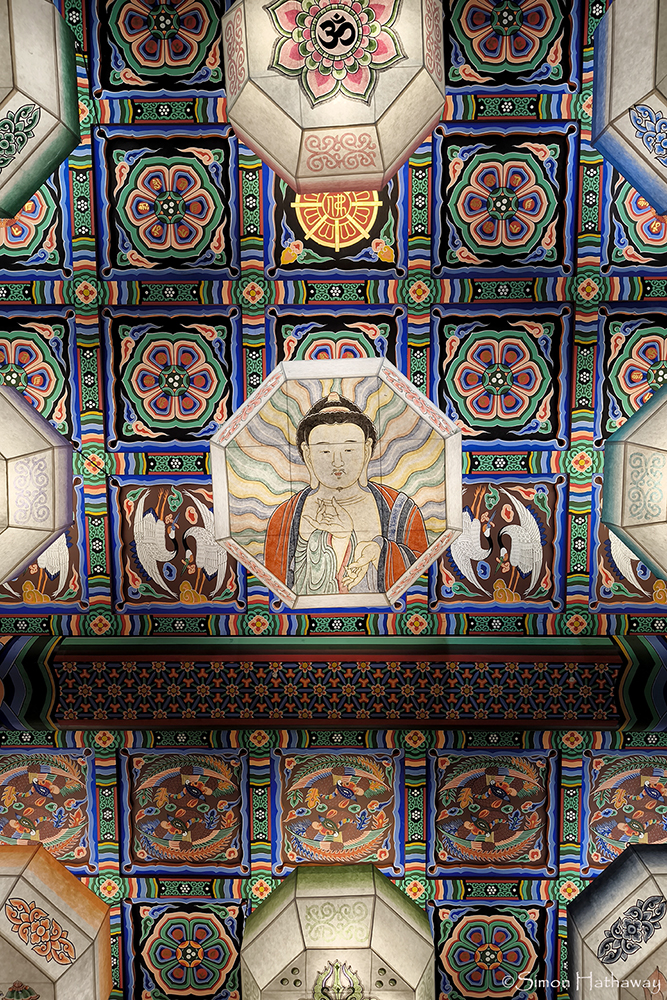
Commentary:
Those who can accept and hold, read and recite, and explain this Sutra extensively to people, as mentioned in the proceeding part, implies enlightened people who are aware that this Sutra is one with themselves. ‘The Realised One knows all these people and sees all these people’ means that these people can see the Buddha all the time. In fact, there is nothing that the Realised One, the Buddha doesn’t see. He always sees all sentient beings regardless of whether or not we can accept and hold, read and recite, and explain this Sutra extensively to people. Even at this moment we are in his sight, and we cannot escape from it.
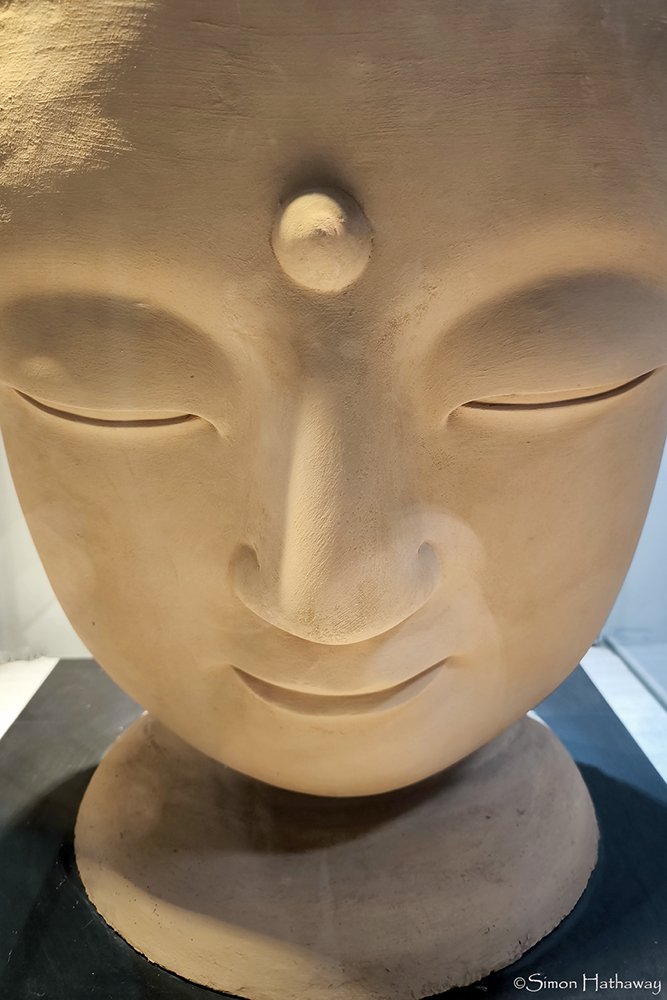
The problem is that we cannot see Him. The purpose of Buddhism is to teach people how to see the Buddha in person. So, what matters here is that we should be able to see the Buddha in person. Then, we can know that the Buddha sees us all the time. When we cannot see Him, His seeing us is of no meaning to us, no matter how much He may see us.
Student: “How do you see the Buddha?”
Master: “I’ve never seen Him since I saw Him just once before.”
Image: IMG_20240504_164544a_thumb.jpg
©Boo Ahm
All writing ©Boo Ahm. All images ©Simon Hathaway
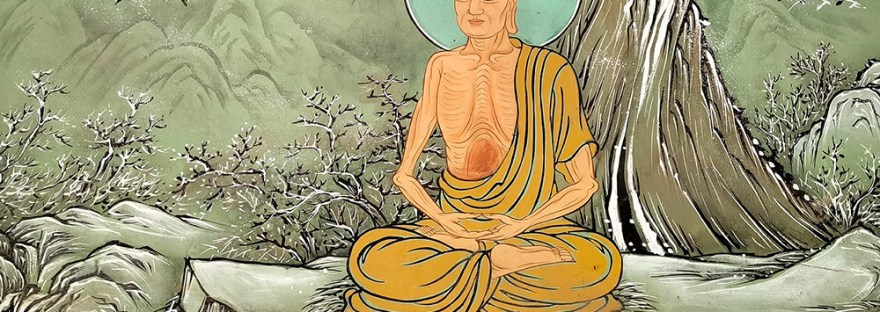
A. Before enlightenment, that is, when you see your body as a body, it may sometimes feel as if it were a foundation for enlightenment and sometimes as if it were an obstacle, according to how you perceive it, because you cannot see things as they are.
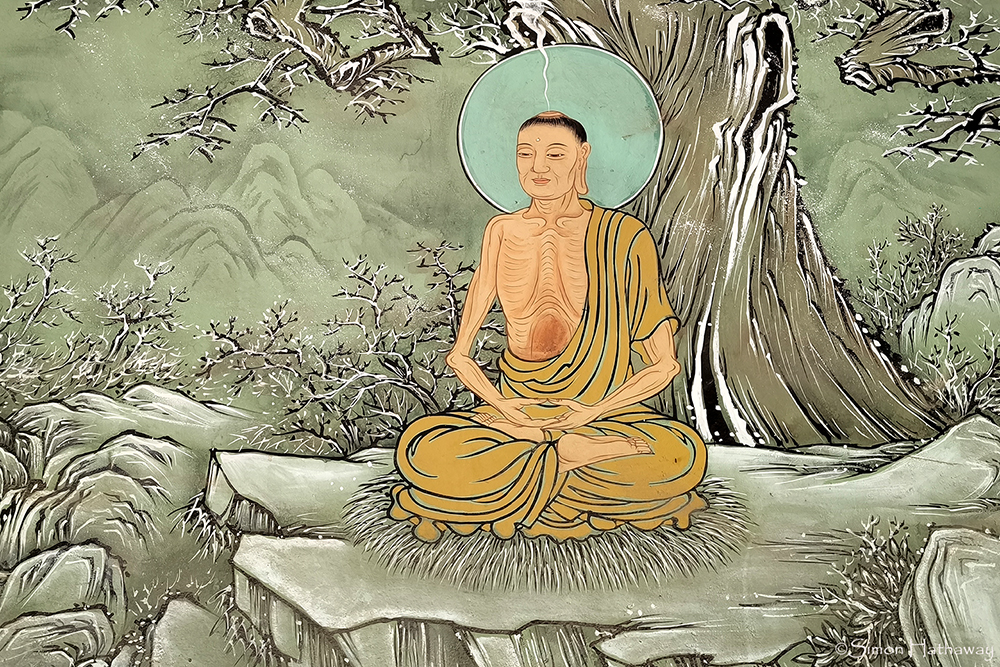
However, once you, having attained enlightenment, can see everything as it is, your body turns out to be the true-Self, just as the Buddha stated when he said that everything is the true-Self.
©Boo Ahm
All writing ©Boo Ahm. All images ©Simon Hathaway
Once a monk asked a master what the true-Self is. The mastered answered, “I will answer your question if you pull a person out of a hundred-foot well without using any ropes, or ladders.” The monk didn’t know what to say.

Student: “How is it possible to get the person out of a well without using anything at all?”
Master: “You can do it if you understand the master’s answer.”
Student: “He didn’t answer yet.”
Master: “I heard it.”
Commentary:
Mistaking an answer for a question is due to discarding the true-Self and following illusions.
©Boo Ahm
All writing ©Boo Ahm. All images ©Simon Hathaway

Part 15-2
“In summary, Subhuti, this Sutra has inconceivable, immeasurable, boundless virtues:” “The Realised One expounds it for those who set out on the Great Vehicle; he expounds it for those who set out on the Supreme Vehicle.”
Commentary:
As mentioned in the preceding parts, the Sutra implies the true-Self. This is why it is said to have inconceivable, immeasurable, boundless virtues. The Great Vehicle and the Supreme Vehicle are actually the same and represent the great wisdom, enlightenment that the historical Buddha attained. They are the final goal that all Buddhists pursue and a means by which we can achieve the goal at the same time. That’s why the Buddha used the word ‘Vehicle’ that implies an expedient means. Those who set out on the Great Vehicle signifies people who seek to attain the same great enlightenment that the historical Buddha attained through the great wisdom, the Buddha’s teaching.
‘The Realised One expounds it for those who set out on the Supreme Vehicle’ doesn’t mean that he expounds it selectively only for those who set out on the Supreme Vehicle but means that only those who set out on the Supreme Vehicle can grasp and accept his teaching. No matter how many people the Realised One may expound this Sutra to, it is meaningful only to those who can apprehend it.

Bodhidharma said that the Great Vehicle, or the Supreme Vehicle is the way all Bodhisattvas go, that they neither board the Vehicle nor don’t board the Vehicle and that they are never on board whilst being on board all day long. He means that we, aware that everything is empty, should not attached to the Buddha’s teaching while trying to attain enlightenment depending on it. Put in other words, he means that the Great Vehicle is not the Great Vehicle but just named as such. This is why it is said that the absence of the Vehicle is the Buddha’s Vehicle.
Student: “What is the Great Vehicle?”
Master: “It is before you now.”
Student: “How can I board it?”
Master: “It will sink the moment you put your foot on it.”
©Boo Ahm
All writing ©Boo Ahm. All images ©Simon Hathaway

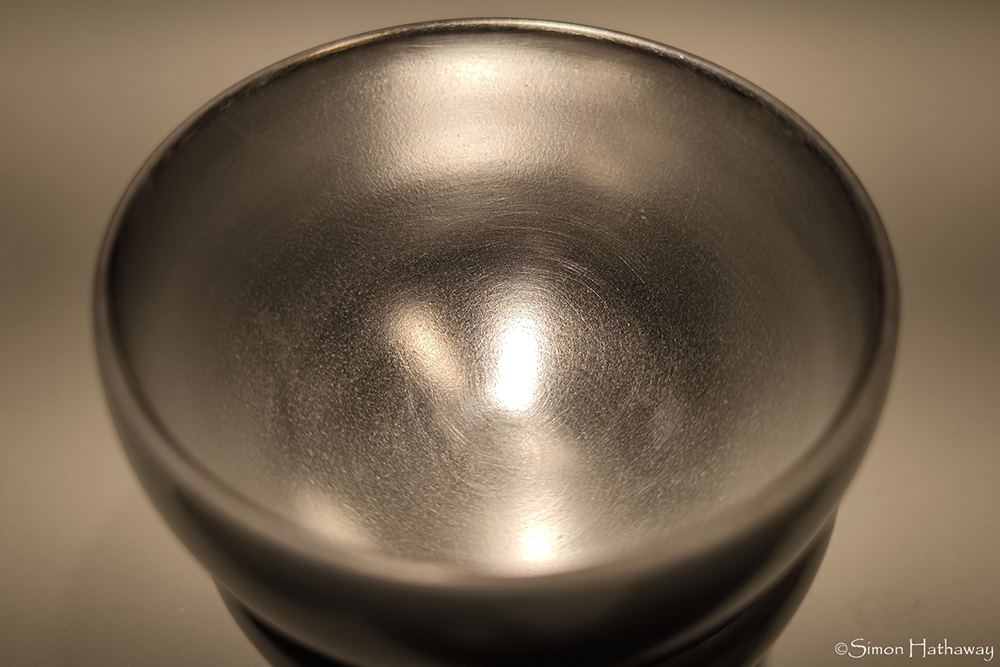
The Buddha’s Dharma talk is no more than a bowl to carry the Buddha’s teaching. We should eat the best food in the bowl instead of only licking the bowl whilst being deluded by the beauty of the bowl.
©Boo Ahm
All writing ©Boo Ahm. All images ©Simon Hathaway
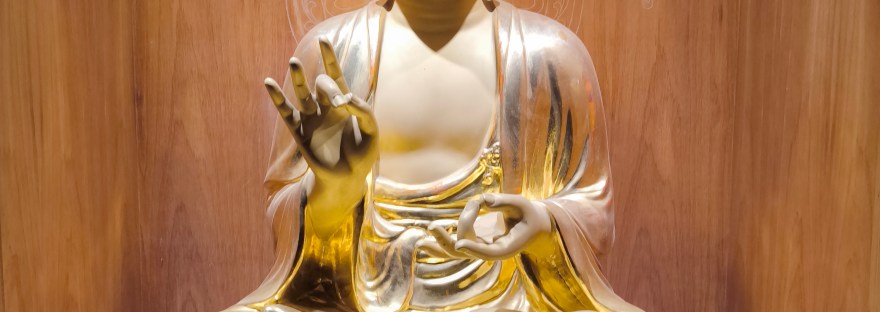
One day a monastic asked Master Woonmun, “How should a monastic behave?” The master said, “I don’t know.” The monastic asked again, “Why do you just say that you don’t know?” The master answered, “Saying that I don’t know is all I have to say.”
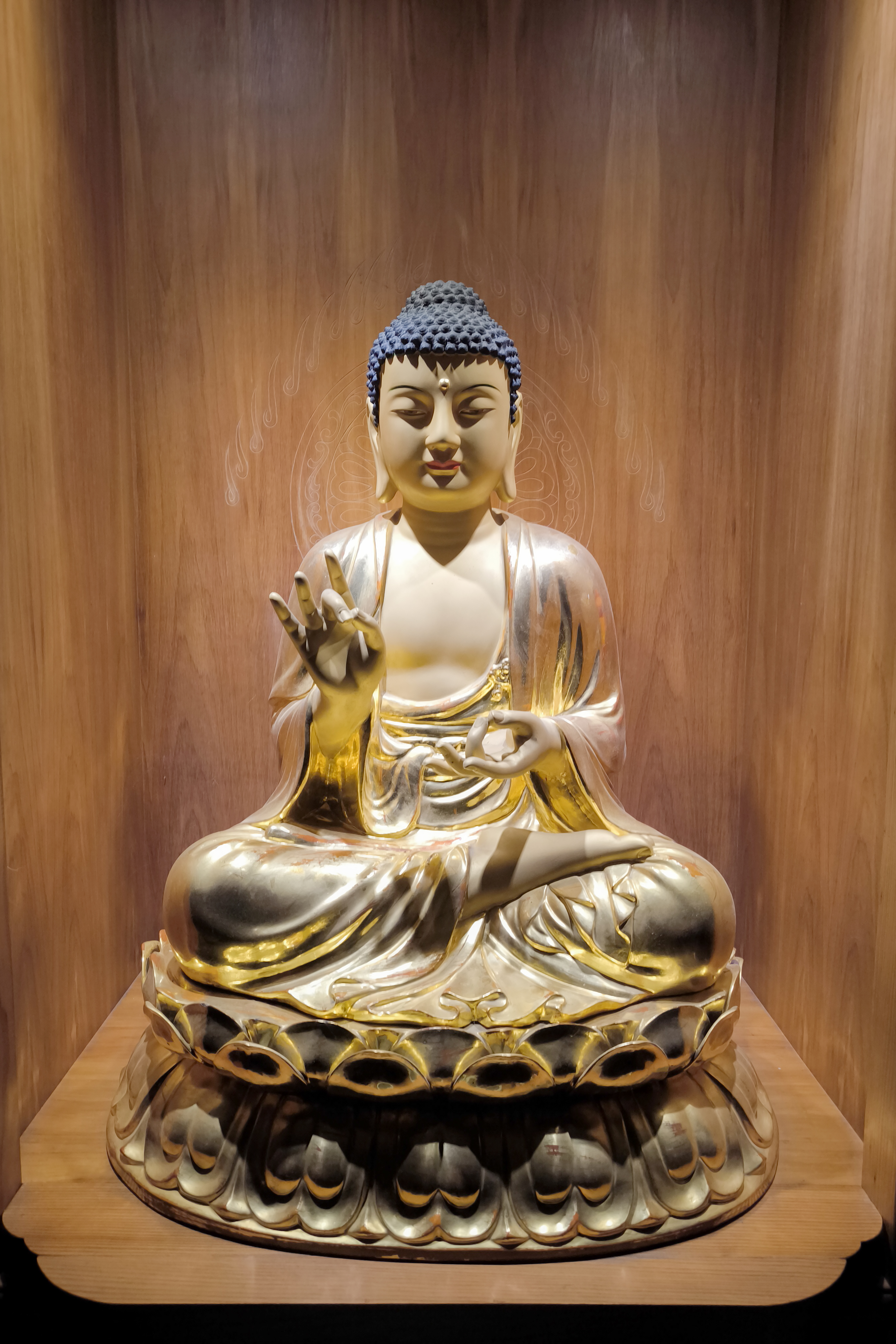
Student: “Why did Woonmun say that he didn’t know when he was asked how a monastic should behave?”
Master: “He showed in person how a monastic should behave.”
Commentary:
A monastic’s behaviour should be an act that cannot be said.
©Boo Ahm
All writing ©Boo Ahm. All images ©Simon Hathaway
Part 15-1
“Subhuti, suppose there are good men and good women who in the morning give in charity as many bodies as there are grains of sand in the Ganges River, then in the afternoon again give in charity as many bodies as there are grains of sand in the Ganges River, and then in the evening also give in charity as many bodies as there are grains of sand in the Ganges River, and go on giving bodies in charity this way for countless hundreds of thousands of myriads of millions of eons. Now suppose there are people who hear this Sutra, believe in it, and do not oppose it. The blessings of these latter people surpass those of the former; how much the more so if they copy the sutra, accept and hold it, read and recite it, and explain it to others!”
Commentary:
As mentioned a few times in the preceding parts, the core of Buddhism is to see things as they are and do things without one’s mind dwelling on anything.
This part means that people who, unable to see things as they are, do things with their minds dwelling on what they see and hear, might build up good karma that is to come to a halt someday, but they cannot attain enlightenment, the final goal of Buddhism through which they can enjoy eternity, no matter how many good things they may do.
In contrast, those who, seeing things as they are, can do everything without their minds dwelling on it, through this Sutra, can attain enlightenment and can enjoy permanent blessings.
This is why the blessings of these latter people surpass those of the former.
The key point of this part is that doing many good things with one’s mind dwelling on what one does is not as good as doing an ordinary thing without one’s mind dwelling on what one does. This doesn’t mean that we should not give things in charity but that we should give things in charity without our minds dwelling on anything.
In the same way, reading this Sutra countless times with one’s mind dwelling on words is not as good as reading a single word without one’s mind dwelling on it.
©Boo Ahm
All writing ©Boo Ahm. All images ©Simon Hathaway

A. Buddhism says that permanence and impermanence of everything depends upon our perspective. Buddhism sees all things as waves in the ocean and the essence of the things as the ocean. Each wave has its own life span, size, shape, and is impermanent, but its essence is one as water and permanent. Every wave is impermanent, but water is permanent. Seeing your life as a wave, it is impermanent, but seeing it as water in the ocean, it is permanent. The purpose of Buddhism is to help people to realise the permanent aspect of their lives.

This is why ancient masters would say that all the countless things are different from each other, and nothing is the same as any other thing, but at the same time, all things are the same, and nothing is different from any other thing.
Student: “What is impermanent?”
Master: “A flower.”
Student: “What is permanent?”
Master: “A flower.”
©Boo Ahm
All writing ©Boo Ahm. All images ©Simon Hathaway

