Questions & Koans

Zen

Rinzai 233

On the way to see Horin Rinzai met an old woman, who asked him, “Where are you going?” “To Horin,” replied Rinzai. The old woman informed him, “Horin is away just now, so you cannot visit him.” “Where did he go?”, asked Rinzai. But the old woman was already walking off. Rinzai called after her and, when she turned around, he hit her.

Commentary:

We should be aware that the old woman was testing Rinzai to see whether he had the wisdom to discern the true-Self that is the essence of Horin without being deluded by the words ‘Horin is away just now, so you cannot visit him’. When Rinzai asked her where he had gone, she showed the true-Self by walking off. Grasping the woman’s meaning, Rinzai called after her and hit her when she returned as a token of appreciating her intention.

Student: “Was Horin in the temple, or was he actually away as the woman said?”

Master: “Why do you dismiss the woman’s kindness?”

©Boo Ahm

All writing ©Boo Ahm. All images ©Simon Hathaway
Zen

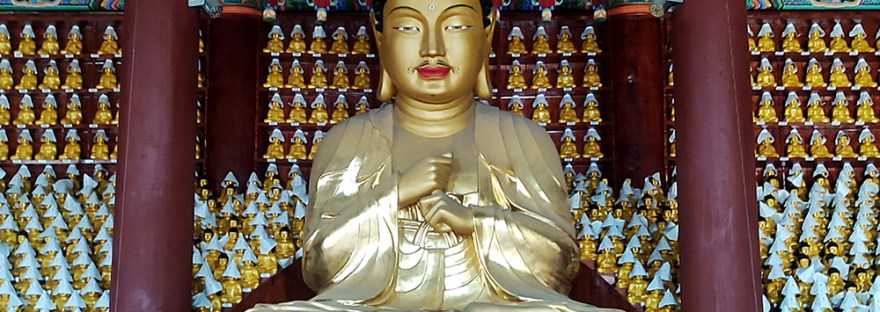
Q. Why does the Buddha appear to be many and diverse while it is said to be non-dual?

A. It is because each sentient being has his or her own different perspective according to his or her karma; how highly educated he is, where he has lived, how rich he is, and so on. Let’s suppose there is a hamburger in front of five people as of 6pm. It will look more delicious and more attractive to one who ate neither breakfast nor lunch than to one who ate both. It may be a nice food to someone, but can be junk food to someone else at the same time. In fact, the hamburger never says, “I am delicious and attractive” nor does it have a prejudice in favour of hungry people, or against the full.

In the same way, when the Buddha reveals itself before us, it actually appears as one and the same to everyone, but looks different due to our perspectives created by karma. This is why ancient masters would say to their disciples, “Even if it appears ghost-faced and god-headed before you, never say that you don’t know it.”

©Boo Ahm

All writing ©Boo Ahm. All images ©Simon Hathaway
Zen

Daeja’s ‘Can you take me?’ (1)

When a monk was making a farewell speech, master Daeja said, “Where are you going?” The monk said, “I am going to Gang-seo.” The master asked, “Can you take me?” The monk answered, “I cannot take even one who is superior to you, not to mention you.”

Student: “Why can’t the monk take the master?”

Master: “Because he degrades the master to a sentient being if he takes him.”

Commentary:

The Buddha neither comes nor goes.

©Boo Ahm

All writing ©Boo Ahm. All images ©Simon Hathaway
Zen

Rinzai 232

Rinzai came to Myoge, who asked him, “Why all this coming and going?” Rinzai said, “Vainly wearing out the straw sandals.” Myoge said, “And in the end then what?” Rinzai retorted, “This old fellow does not even know what we are talking about.”

Commentary:

Although Myoge’s ‘Why all this coming and going?’, may appear to mean ‘What is the use of coming and going without practising steadily in one place?’, it actually implies ‘Do you know the true-Self that is leading your body to come and go?’. Sensing Myoge’s intention, Rinzai responded wisely by revealing the true-Self through saying ‘Vainly wearing out the straw sandals’. Myoge tested him one more time by saying ‘And in the end then what?’. Rinzai lost no time in retorting by saying ‘This old fellow does not even know what we are talking about’ which means ‘Why don’t you recognise the true-Self we are showing to each other now?’.

Student: “What were they talking about?”

Master: “They were talking about what can’t be said with words.”

Student: “What is it?”

Master: “It can’t be said.”

©Boo Ahm

All writing ©Boo Ahm. All images ©Simon Hathaway

Zen

Q. Why are some rich, or powerful people exempted from punishment for their obvious bad deeds if the Buddha, or God is really fair?

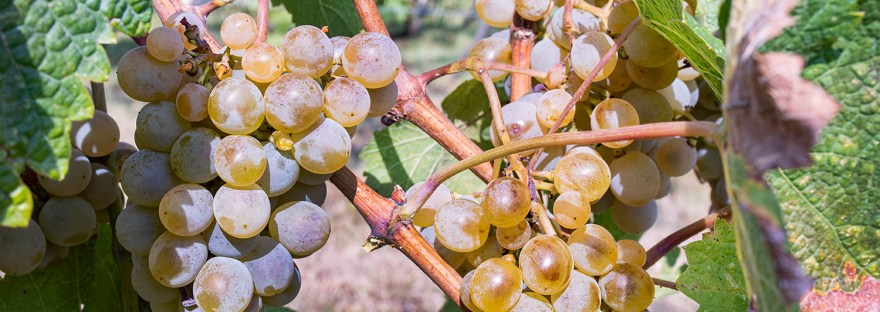
A. It is true it appears that the richer we are the more innocent we are, and the poorer we are the guiltier we are. However, we should remember that what we do and say is carved unseen in the universe, the true-Self. What we have done will not be lost to eternity. Everything that we do has its own time to manifest its result, just as each plant has its own different rate of growth.

In other words, no one and nothing is beyond causation because not only the fortune they are enjoying now but also the suffering we are troubled by are the result of causation. Everything ripens at its time and becomes fruit at its appropriate hour. A Chinese proverb says that although the heavenly net is so sparse that it is unseen, nothing can escape it.

©Boo Ahm

All writing ©Boo Ahm. All images ©Simon Hathaway
Zen

Joshu’s Three Buddhas (3)

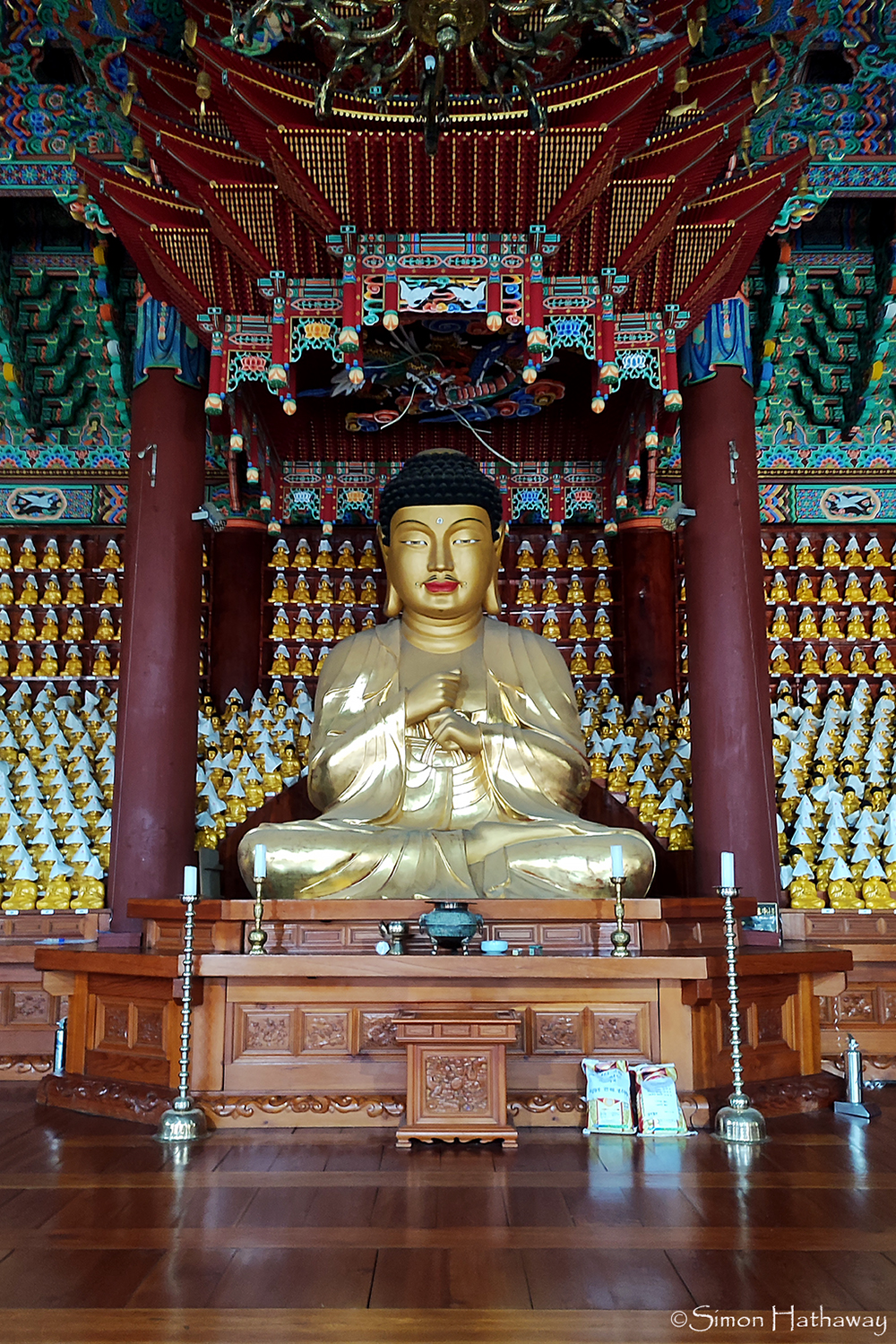
Joshu said, “A clay Buddha cannot cross water because it collapses. A steel Buddha cannot cross a forge because it melts down. A wooden Buddha cannot cross fire because it burns. What is the true Buddha?”

Student: “What is the true Buddha?”

Master: “It is a clay Buddha, a steel Buddha and a wood Buddha.”

Commentary:

The Buddha appears according to the preferences of sentient beings. Don’t say that you don’t know him even if he appears with a ghost’s face. 

©Boo Ahm All writing ©Boo Ahm. All images ©Simon Hathaway
Zen

Rinzai 231

Rinzai came to Zoden, and asked him, “Neither worldly nor sacred — I beg of you, master, speak quickly!” Zoden said, “I am simply thus.” Rinzai gave a Katsu and said, “This crew of shaved heads here, what are you going to learn here?”

Commentary:

When Rinzai said to Zoden, “Neither worldly nor sacred — I beg of you, master, speak quickly!” he wanted to see how well Zoden could reveal the true-Self. Zoden, sensing Rinzai’s intention, manifested the true-Self by saying, “I am simply thus.” Rinzai responded with a Katsu and revealed the true-Self one more time by saying, “This crew of shaved heads here, what are you going to learn here?”, by which he meant that the monastics there should not try to attain enlightenment through academic learning, because there is nothing to learn here, in the true-Self.

©Boo Ahm

All writing ©Boo Ahm. All images ©Simon Hathaway
Zen

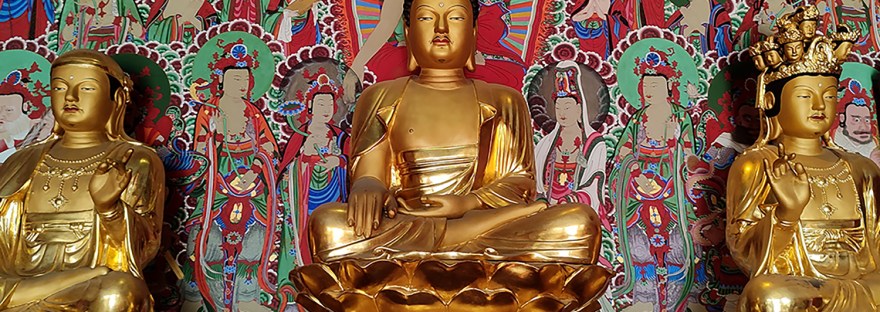
Q. What would the world be like if the state of Nirvana should come true in reality?

A. Nirvana is another name of Emptiness that is Oneness, non-duality. When we realise Emptiness, that is, when we can see everything as the same as one, we feel oneness with one another. Then, what is beneficial to you is beneficial to all, and what is harmful to you is harmful to all. What is good to others is good to you, and what is bad to others is bad to you.

Then, one’s gain is another’s gain, and one’s loss is another’s loss. In this state when misfortune happens to any of us, all lament, and when fortune happens to any of us, all are happy. This means that the state in which Jesus’s words ‘Love your neighbours as yourself’ materialises. This is referred to as the Pure Land that is opposite to the mundane world where one’s gain is another’s loss, and one’s misfortune is another’s fortune.

©Boo Ahm

All writing ©Boo Ahm. All images ©Simon Hathaway

Zen

Woonahm’s one who is not diligent

One day Woonahm was sweeping the yard with a broom. Seeing him sweeping the yard, Do-oh said to him, “How diligent you are!” Woonahm said, “You should know that there is one that is not diligent.” Do-oh responded, “Then, there is a second moon.” Woonahm, holding out the broom, said, “What number moon is this?”

Student: “Who is one that is not diligent?”

Master: “He is not lazy, either.”

Student: “What number moon is the broom that Woonahm held out?”

Master: “How many moons are there?”

Commentary:

Calamity never comes alone.

©Boo Ahm

All writing ©Boo Ahm. All images ©Simon Hathaway
Zen

Rinzai 230

Rinzai came to Suiho. Suiho asked, “Where do you come from?” Rinzai replied, “From Obaku.” Suiho said, “What words does Obaku instruct his monks with?” Rinzai replied, “Obaku has no words to say.” Suiho asked, “Why do you say that he has no words to say?” Rinzai replied, “Even if he has something, there is nothing worth saying about this.” Suiho said, “Even though it is so, just tell me and let’s see.” Rinzai said, “The arrow has already passed the Western sky.”

Commentary:

When Suiho asked Rinzai what words Obaku, Rinzai’s master instructed his students with, he meant to ask Rinzai what he had learned from Obaku. Rinzai’s answer ‘Obaku has no words to say’ means that he never teaches his students with words because the Buddha’s teachings are beyond words. In order to test Rinzai once more, Suiho said, “Why do you say that he has no words to say?”, which means ‘In fact, Obaku has said a lot of words. Why do you contradict him?’ Rinzai’s answer ‘Even if he has something, there is nothing worth saying about this’ means ‘It is because even if Obaku has anything at all to teach his students, there is nothing that can be described in words. Suiho’s ‘Even though it is so, just tell me and let’s see’ means ‘Even though you are right, you are still not enlightened if you cannot reveal the true-Self with words.” Then, Rinzai responded by saying ‘The arrow has already passed the Western sky’, by which he meant, “Through my words and behaviour I have kept revealing the true-Self that Obaku doesn’t teach with words since we met, why do you ask me to tell it without discerning it?”

©Boo Ahm

All writing ©Boo Ahm. All images ©Simon Hathaway