A. In Buddhism one’s real self is referred to as the true-Self, or the Buddha-Nature. You are to your real self as a wave is to the sea. You are part of your real self as the function of it, just as a wave is part of the sea as the function of it. A wave changes as time passes and according to the circumstances it is in, but the sea itself never changes.
The ceaseless changes of all the waves are how the sea is. In the same way, your real self never changes at all, although you, as a human being, change every moment. Buddhism is a religion that helps people to realise the real self in person.
Later, Issan asked Gyosan, “Why did Rinzai snatch the hoe out of Obaku’s hand?”
Gyosan said, “The robber was a wastrel, but in wisdom he prevailed over the noble man.”
Commentary:
‘The robber was a wastrel’ means that if we are deluded by the expedient behaviour that Rinzai, the robber used to reveal the true-Self, he can be taken for a wastrel who is impolite and ignorant, but that in fact, the wisdom in which he prevailed over the noble man is hidden in his behaviour.
Student: “What is the wisdom hidden in Rinzai’s behaviour?”
A. To meditate should not be to try to remove rambling thoughts, illusions but be to try to see them as they are. The harder you try to get rid of them the more you will be troubled by them because trying to remove them is adding yet another thought. They appear to be illusions and trouble you because you can’t see them as they are. Try to see them as they are by tracing them back to the root. When you can see them as they are, you will enjoy happiness you’ve never experienced before. Let me introduce an ancient Zen poem.
Don’t avoid illusions. They are the Buddha you are looking for.
Don’t follow the Buddha. It is the illusion that you are trying to avoid.
Yaoshan had not given a discourse in the dharma hall for some time. The monastery director said, “The assembly has long been wanting to receive teaching from you. Please give a discourse to the assembly, Master.”
Yaoshan asked him to sound the drum. The monastics came together. Yaoshan took the high seat, sat there for a while, got down, and went back to the abbot’s room. The monastery director followed him and asked, “Master, you agreed to give a discourse to the assembly. Why didn’t you say a word?” Yaoshan said, “Scriptural teachers are for scriptures. Commentary teachers are for commentaries. What do you expect from this old monastic?”
Student: “Why didn’t Yaoshan say a word not to mention a discourse?”
Master: “Don’t say that he didn’t give any teaching.”
One day during the work period, Rinzai was last in the row. Obaku looked back and saw that Rinzai was empty-handed. “Where is your hoe?” Obaku asked. “Someone has gone off with it,” replied Rinzai. Obaku said, “Come here and we’ll talk about it.” When Rinzai came near, Obaku lifted his hoe high and said, “Nobody in the world can take this away from me.” Rinzai then grabbed the hoe, held it high and said, “How come it is now in my hand?” Obaku said, “Today there is one who works with all his might,” and returned to the monastery.
Commentary:
When Obaku, seeing Rinzai empty-handed, asked where his hoe was, he asked him not about his hoe but about the true-Self. Sensing Obaku’s intention, Rinzai revealed the true-Self by saying, ‘Someone has gone off with it’. Obaku refuted Rinzai’s words by saying, ‘Nobody in the world can take this away from me’. Obaku was testing Rinzai to see if he was deluded by words and forms. Rinzai responded by grabbing the hoe, holding it high and saying, ‘How come it is now in my hand?’ By this he meant, “I know you mean the true-Self. This is the true-Self in which giving is not different from taking since there is no giving and no taking.” Then, Obaku approved him by saying, ‘Today there is one who works with all his might’. One who works all with his might implies an enlightened one who is aware that he is one with everything.
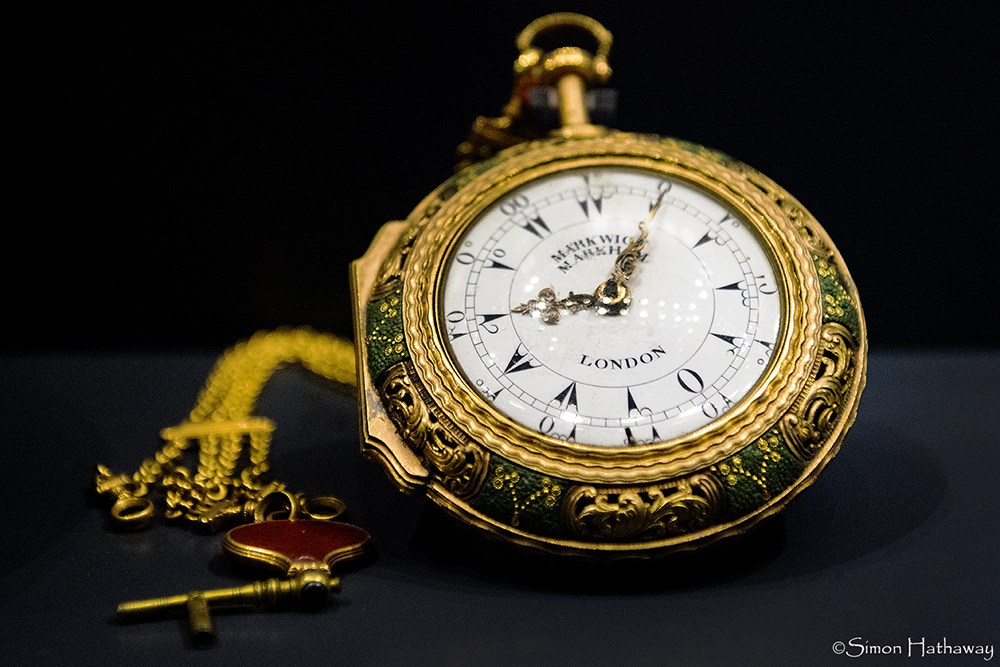
A. Why does a day that seems to drag to you appear to go by quickly to others? A day you share with your sweetheart in a beautiful place would feel much shorter than a day that you spend doing backbreaking work which you hate to do. When we have time, but have nothing specific to do, we say that we kill time.
Although we may want to save the time that we have to kill, in the same way we deposit our money in the bank in order to use it later when we have need of it, it is impossible. This shows that time is not real but just imaginary. This is why the Diamond Sutra says that there is no past, no present and no future.
Later, Issan asked Gyosan, “What was the meaning of Obaku’s entering the meditation hall?”
Gyosan said, “Two sides of a die.”
Commentary:
Gyosan’s comment ‘Two sides of a die’ signifies that the two answers made by Rinzai and the head monk are the same although they may seemingly sound different from each other, since both are from the true-Self which is referred to as a die here. To rephrase this, no matter how many ways the true-Self may be expressed in, the essence remains the same. In other words, the taste of water from a spring is the same, no matter what vessel it may be scooped up with.
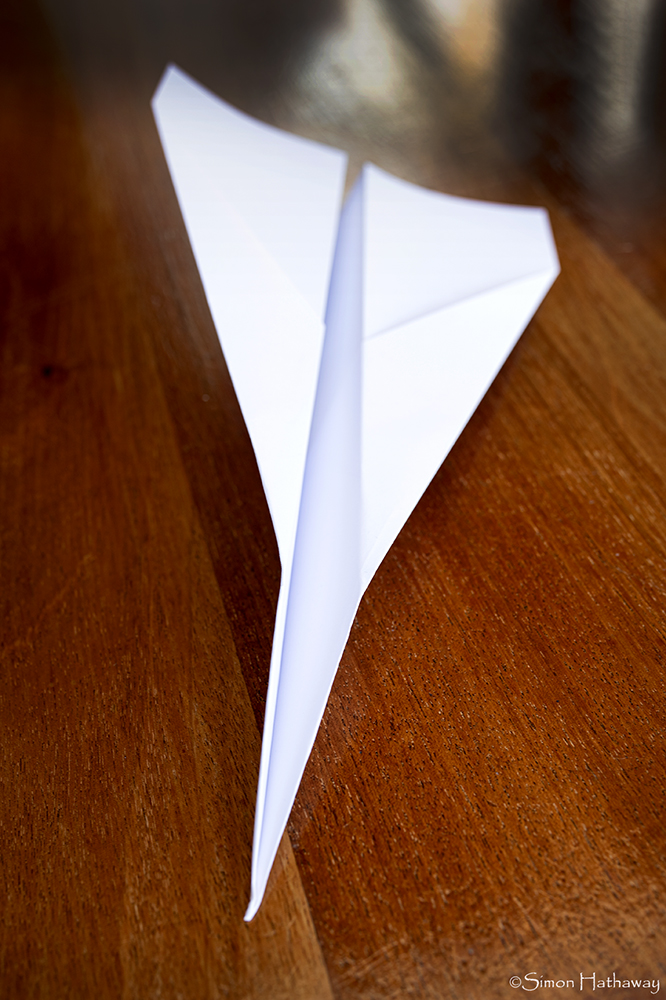
A. Not being deluded by illusions means to know what the essence of everything, including ourselves, is. Let’s suppose that you play with two five-year-old boys, flying paper planes. One boy is very preoccupied with flying his plane, whilst the other is not as involved in playing because he is more interested in watching cartoon films instead. By accident the paper planes land in a puddle and became unavailable. The boy who is crazy about flying his plane bursts into tears, but the other boy who is not so interested doesn’t. Of course, you don’t, either.
There is a big difference between the reason why the boy doesn’t cry and the reason why you don’t. The reason why you don’t cry is not that you are not as aware of the value of the plane as the crying boy is, but that you are not deluded by the illusion of the plane because you can see the essence of the plane: It is made of paper, and a new one can be made easily. In fact, you know much more about paper, the essence of the paper plane; how necessary and useful it is in our daily life and what disastrous things would happen if it suddenly disappeared.
This boy isn’t frustrated because he is detached from the planes in the same way that you are, but because he doesn’t have much concern about paper planes. However, if in the future, he happens to become crazy about playing with paper planes, he is likely to become like the crying boy.










 Zen Fools