Questions & Koans

Zen

Rinzai 203

Kinzan had a community of five hundred monks, but there were few who consulted him for interviews. Obaku charged a monastic to go to Kinzan for an interview, and asked him, “When you arrive, what will you do?”

The monastic said, “When I get there, expedients will present themselves.” Having arrived, he went up the Dharma Hall in his travelling outfit and saw Kinzan.  When Kinzan was at the point of raising his head, the monastic gave a Katsu. When Kinzan was about to open his mouth to say something, the monastic shook his sleeves and left.

Commentary:

The monastic revealed the true-Self by saying, “When I get there, expedients will present themselves” when he was asked by Rinzai what he would do when he arrived. His answer implied, “There is nothing but this that I can do.” In fact, when he met Kinzan, he responded to Kinzan by giving a Katsu and by shaking his sleeves and leaving, which was what he had told Rinzai he would do when he arrived at Kinzan’s place. Kinzan might seem to have failed to handle the monastic properly, but we should know that he left nothing to be desired.

Student: “Why didn’t Kinzan say anything when the monastic came to him?”

Student: “Because you missed what he said.”

©Boo Ahm

All writing ©Boo Ahm. All images ©Simon Hathaway

#zen #meditation #zenmeditation #enlightened #enlightenment #zenfools #photography
Zen

Bodhidharma’s ‘seeing what is not seen’

Bodhidharma said that truly seeing is not seeing what is seen, but seeing what is not seen. How can we see what is not seen? ‘Seeing what is not seen’ may sound illogical and seem to make no sense at all, but this is the very way to see the true-Self. When we see a thing, we can stop seeing it as we please, either by removing it from our sight, or by turning our heads away. However, supposing we see the true-Self, it is impossible to cease to see it even for a moment because everything, including ourselves, is the true-Self and because there is nothing else but the true-Self.

Not only blinding brightness, but also pitch-darkness is the appearance of the true-Self. Even the scene you can feel when you keep your eyes closed is the appearance of the true-Self as well. Like this, if we cannot stop seeing and if there is only ‘seeing’ and not ‘non-seeing’, then ‘seeing’ is not seeing any more, just as red is not red any more when everything is red. So, seeing what is not seen means to see what you cannot stop seeing even for a moment, that is, to see what cannot stop being seen.

©Boo Ahm

All writing ©Boo Ahm. All images ©Simon Hathaway

#zen #meditation #zenmeditation #enlightened #enlightenment #zenfools #photography

Zen

Bodhidharma’s ‘Truly seeing’

Truly seeing is not seeing what is seen, but seeing what is not seen. Truly knowing is not knowing what is known, but knowing what is not known.

Student: “What is it to see what is not seen?”

Master: “It is to see what cannot stop being seen.”

Commentary:

When you cannot stop seeing, your seeing is not seeing any more.

©Boo Ahm

All writing ©Boo Ahm. All images ©Simon Hathaway

#zen #meditation #zenmeditation #enlightened #enlightenment #zenfools #photography

Zen

Rinzai 202

Later on, when Ryuge was the head of a temple, a monk came into his room and asked for instruction, saying, “While you went on pilgrimage, you went to consult those two masters. Do you agree with them?”

Ryuge said, “Although I agree with them deeply, there is still no meaning of the patriarch’s coming from the West.”

Commentary:

When the monk asked Ryuge if he agreed with the masters who had hit Ryuge with a cushion, he answered that he did. However, the monastic didn’t ask, and Ryuge didn’t say what he agreed upon with them. Can you guess what he agreed upon with them?  All enlightened people agree with each other on the true-Self. Ryuge was compassionate enough to show the monastic what he agreed upon with them. This is why he added, “There is still no meaning of the patriarch’s coming from the West” after answering that he agreed with them. In other words, he revealed the true-Self by saying, “There is still no meaning of the patriarch’s coming from the West.”

©Boo Ahm

All writing ©Boo Ahm. All images ©Simon Hathaway

#zen #meditation #zenmeditation #enlightened #enlightenment #zenfools #photography

Zen

Q. What does ‘You cannot see the Buddha because there are motes in your eyes and ears. If you are to remove them, look up beyond the sky’ mean?

A. The mote in our eyes is a mote of discriminating by seeing, and that in our ears a mote of discriminating by hearing. For example, whenever we see or hear things, we discriminate them by defining and naming them as something such as a tree, or a bird. In fact, they are neither a tree nor a bird in essence because they have never said that they are a tree, or a bird. We name them, and define their natures and characteristics as we please, independent of what they really are. In other words, we see and hear things in the way we interpret or understand them, not in the way they really are in themselves. This is the reason why we don’t see the true-Self.

So, an ancient master, when he was asked to say how to see the true-Self, said that although eyes are full of light, there should not be a single thing and that although ears are full of sound, there should not be any words. Accordingly, ‘look up beyond the sky’ implies to see the sky without any fixed ideas attached to it, including the word ‘sky’.

©Boo Ahm

All writing ©Boo Ahm. All images ©Simon Hathaway

#zen #meditation #zenmeditation #enlightened #enlightenment #zenfools #photography
Zen

Ananda’s peculiar thing (2)

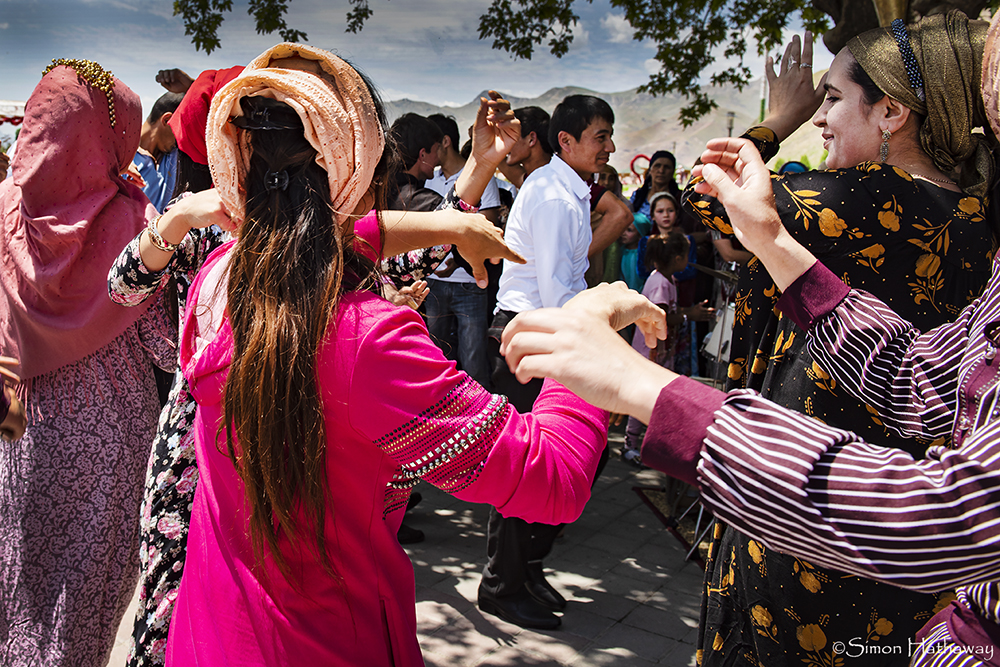
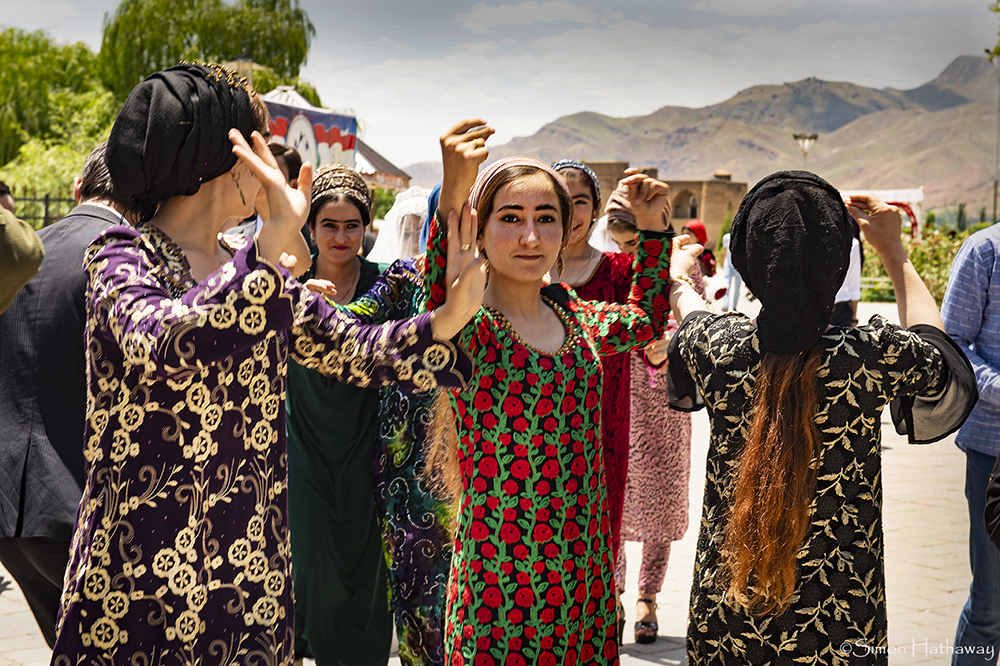
One day Ananda said to the Buddha, “Sir, when I went to the castle today, I saw a peculiar thing.” The Buddha said, “What peculiar thing did you see?” Ananda said, “When I entered the castle, I saw a group of people dancing, but I didn’t see them dancing at all when I came out of the castle.” The Buddha said, “I also saw an unusual thing when I entered the castle yesterday.”  Ananda asked, “What unusual thing did you see?” The Buddha answered, “When I entered the castle, I saw a group of people dancing, and I saw them still dancing when I left the castle.”

Student: “What were the peculiar things that the Buddha and Ananda saw?”

Master: “Why don’t you see the peculiar thing now?”

Student: “I don’t see anything peculiar now.”

Master: “I am seeing it now, but you are not although we are together in the same place at the same time. How peculiar it is!”

Commentary:

The one peculiar thing you see is more important than thousands of peculiar things that the Buddha and Ananda saw.

©Boo Ahm

All writing ©Boo Ahm. All images ©Simon Hathaway

#zen #meditation #zenmeditation #enlightened #enlightenment #zenfools #photography
Zen

Rinzai 201

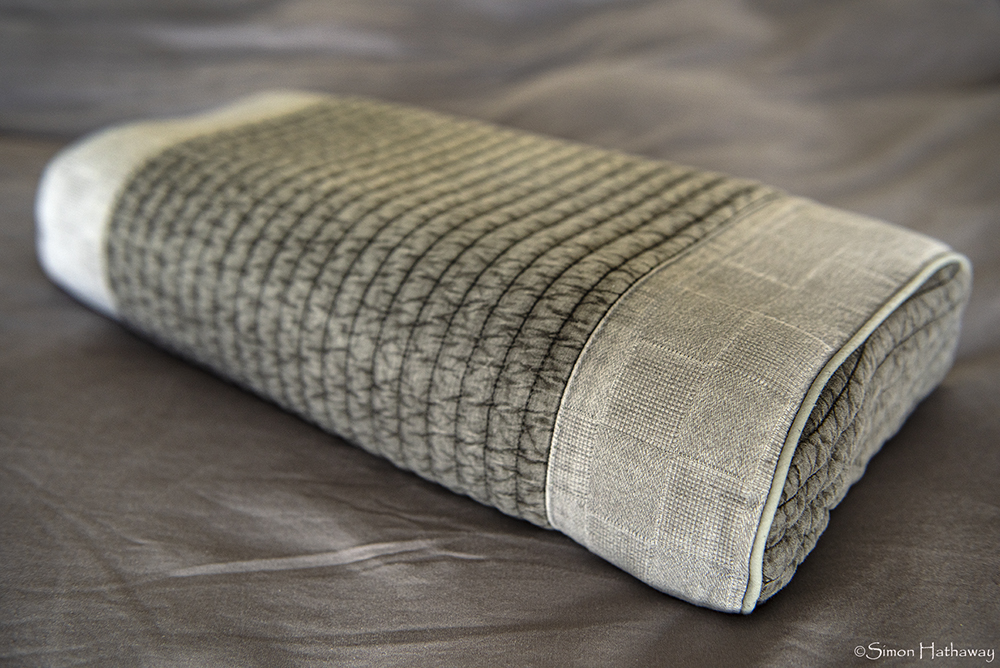
Ryuge asked what the meaning of the patriarch’s coming from the West. Rinzai said, “Pass me the cushion.” When Ryuge handed it to him, the master took it and hit him with it. Ryuge said, “You may hit as much as you like, but there is no meaning of the patriarch’s coming from the West.” Later, Ryuge went to Suibi and asked what the meaning of the patriarch’s coming from the West was. Suibi said, “Pass me the cushion.” Ryuge handed it to Suibi, who took it and hit him with it. Ryuge said, “Hit as much as you like, still there is no meaning of the patriarch’s coming from the West.”

Commentary:

Rinzai answered Ryuge’s question by saying, “Pass me the cushion”, by which Rinzai showed the meaning of the patriarch’s coming from the West. Ryuge was wise enough to recognise Rinzai’s intention. When he handed the cushion to Rinzai, his intention was not to hand the cushion but to reveal the true-Self, the meaning of the patriarch’s coming from the West. Rinzai took it and hit him to test him again, since Ryuge appeared to follow Rinzai’s words by handing the cushion to him as he was told. Then, Ryuge responded by saying, “You may hit as much as you like, but there is no meaning of the patriarch’s coming from the West”, which meant, “There is no other meaning than that which I am revealing in this way.” When Ryuge went to Master Suibi later, he responded to his answer in the same way as he had done to Rinzai’s.

The patriarch’s meaning implies the true-Self, the Buddha. Before enlightenment, there seems to be the patriarch’s meaning for us to realise, but there is nothing else but the patriarch’s meaning, whatever we may do, after enlightenment; hitting with a cushion, eating, walking and so on. Then, the patriarch’s meaning is not the patriarch’s meaning any more since there is nothing to distinguish it from. This is why Ryuge said, “You may hit as much as you like, but there is no meaning of the patriarch’s coming from the West.”    

©Boo Ahm

All writing ©Boo Ahm. All images ©Simon Hathaway

#zen #meditation #zenmeditation #enlightened #enlightenment #zenfools #photography

Zen

Q. What is the meaning of “If someone, seeing the Buddha, is not attached to him, he is one who truly knows the Buddha” from the Avatamsaka Sutra?

A. The core of Buddhism is not to worship and pray to the Buddha for happiness, or fortune, but to realise that we are none other than the Buddha. Trying to see any other Buddha than ourselves is to be deluded by the image of the Buddha, the illusion of the Buddha.

This scripture tells us not to be deluded by the illusion of the Buddha that is one of the strongest obstacles preventing us from realising that we are the Buddha. This is why ancient masters would say that we should kill the Buddha if we see him.

©Boo Ahm

All writing ©Boo Ahm. All images ©Simon Hathaway

#zen #meditation #zenmeditation #enlightened #enlightenment #zenfools #photography

Zen

Ananda’s peculiar thing (1)

One day Ananda said to the Buddha, “Sir, when I went to the castle today, I saw a peculiar thing.” The Buddha said, “What peculiar thing did you see?” Ananda said, “When I entered the castle, I saw a group of people dancing, but I didn’t see them dancing at all when I came out of the castle.” The Buddha said, “I also saw an unusual thing when I entered the castle yesterday.”  Ananda asked, “What unusual thing did you see?” The Buddha answered, “When I entered the castle, I saw a group of people dancing, and I saw them still dancing when I left the castle.”

Student: “What is the difference between the peculiar thing that Ananda saw and the peculiar thing that the Buddha was?”

Master: “If there is difference between them, they are not the peculiar thing.”

Commentary:

All things being different from each other is ordinary, but all things being identical is peculiar.

©Boo Ahm

All writing ©Boo Ahm. All images ©Simon Hathaway

Zen

Rinzai 200

Rinzai asked a nun, “Did you come to the right place, or the wrong place?” The nun gave a Katsu. Rinzai held up his stick and said, “Speak again, speak again!” The nun again gave a Katsu. Rinzai hit her.

Commentary:

Rinzai’s question means, “I know that you have come to see me. However, do you know the place without coming and going that is the true-Self?” Rinzai asked this question to see whether the nun was still deluded by the illusions of right and wrong, and the Pure Land and mundane world. The nun lost no time in responding by giving a Katsu. Rinzai raised another challenge by holding up his stick and saying, “Speak again, speak again!” The nun immediately made a proper response with another Katsu. Rinzai approved her by hitting her.

©Boo Ahm

All writing ©Boo Ahm. All images ©Simon Hathaway

#zen #meditation #zenmeditation #enlightened #enlightenment #zenfools #photography