
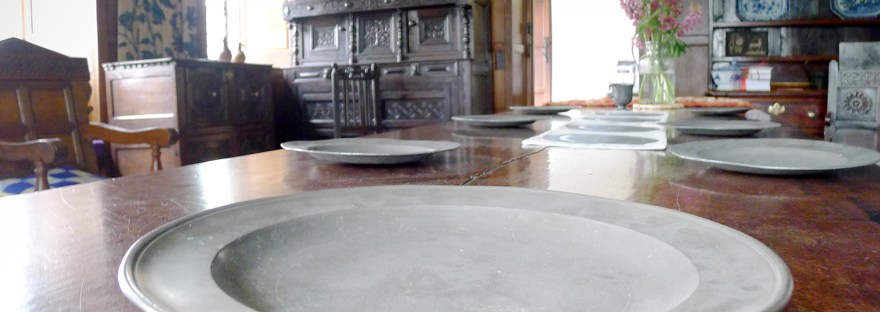
It means that everything is empty. In other words, not only whether a thing exists, or not but also its identity depends on our perspective. Let’s suppose we have a gorgeous long table here that can hold more than twenty people. We are faced with a problem now; a party is supposed to be held here this evening and a stage on which a guest singer will perform on is needed. After a brainstorming, we decide to use our long table as a stage by decorating it with a red carpet and some flowers.
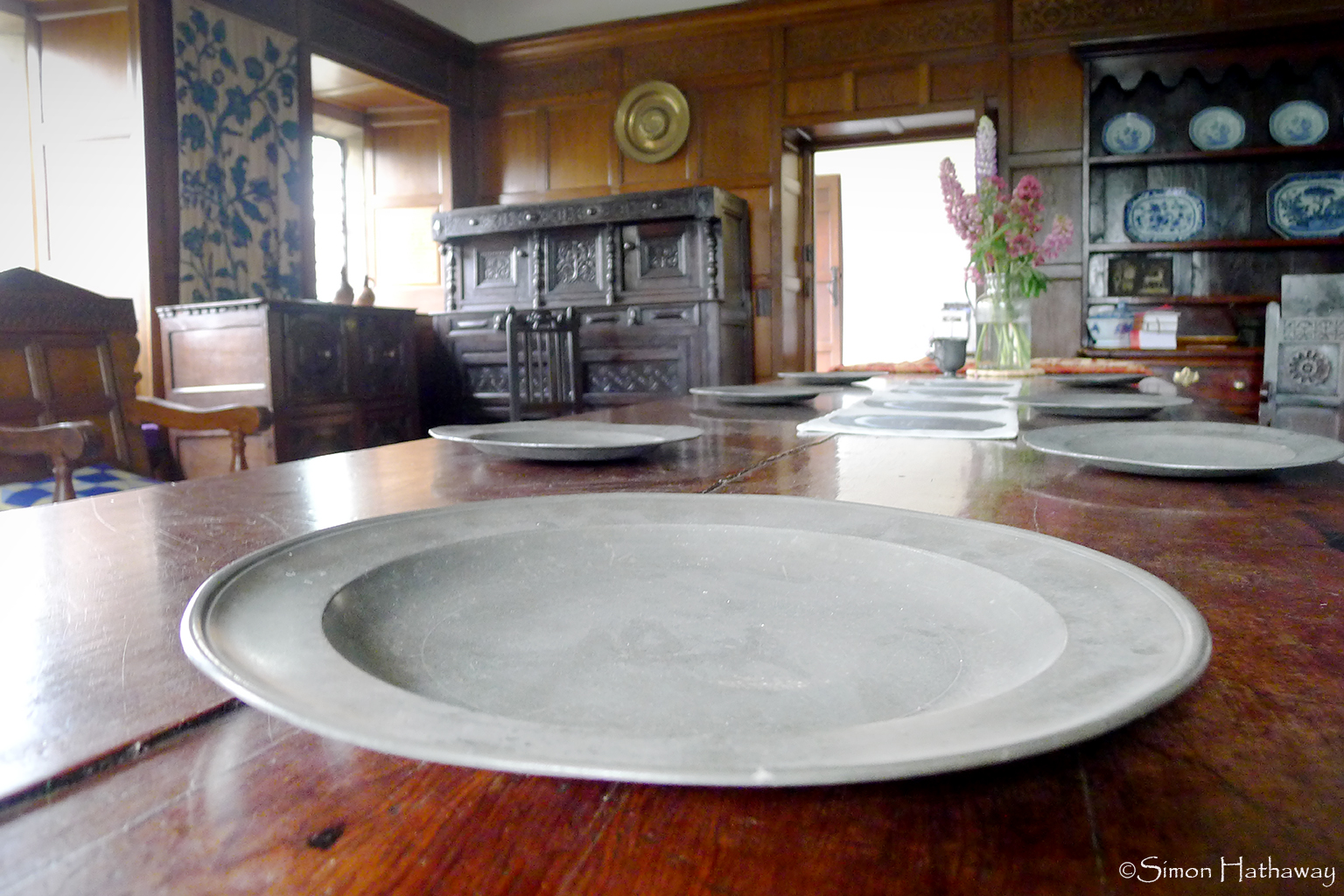
In the evening it becomes a nice stage. Then, is this a table, or a stage. If we say it is a stage, where is the table we used for dining? When we use it as a table after the party, where is the stage? When we use it as a table, we cannot say that the table doesn’t exist.
When we use it as a stage, we cannot say that the table exists.
In essence, there is neither a table nor a stage. The object we use as a table, or a stage never declared its identity as a table, or a stage. It is a table when we think it is a table and it is a stage when we think it is a stage. This is why it is said that things neither exist nor non-exist.
©Boo Ahm
All writing ©Boo Ahm. All images ©Simon Hathaway


