
Part 14-4
“If, in the final five hundred years of the coming world, a sentient being hears this sutra, believes in it, understands it, accepts it and upholds it, he will be the rarest.”
Commentary:
In part 14-3, Subhuti states that while he can easily understand, believe, and uphold the teachings of this Sutra, it will be rare for sentient beings to do the same long after the Buddha’s passing. Now, 2,500 years later, we must ask ourselves: “Are we truly listening to, believing, and upholding this Sutra as the Buddha intended, without being deceived by mere words?”
According to Bodhidharma: “If you are blind to your own numinous nature, you will not escape the cycle of reincarnation, no matter how busy you are with chanting or poring over scriptures. Those who have not seen their true-Self may spend all day reading sutras, chanting, and practising sitting meditation without ever lying down, believing these external acts to be the Buddhadharma. However, such people are actually slandering the Dharma.”
The true Sutra is not the printed text or written characters; it refers to the true-Self. Everything, including ourselves, is the true-Self (Buddha-nature). To read the Sutra while being deceived by ink and paper—failing to realise that you yourself are the Sutra—is to go against the Buddha’s teaching, which urges us to transcend words and forms to realise our innate true-Self.
One day, Master Woongeo asked a monk, “What Sutra are you reciting?”
The monk replied, “The Vimalakirti Sutra.”
The Master said, “I didn’t ask you about the Vimalakirti Sutra; I asked what Sutra you are reciting.”
Master Woongeo was not asking about the physical book made of paper; he was asking if the monk was aware that everything, including himself, is the true Sutra.
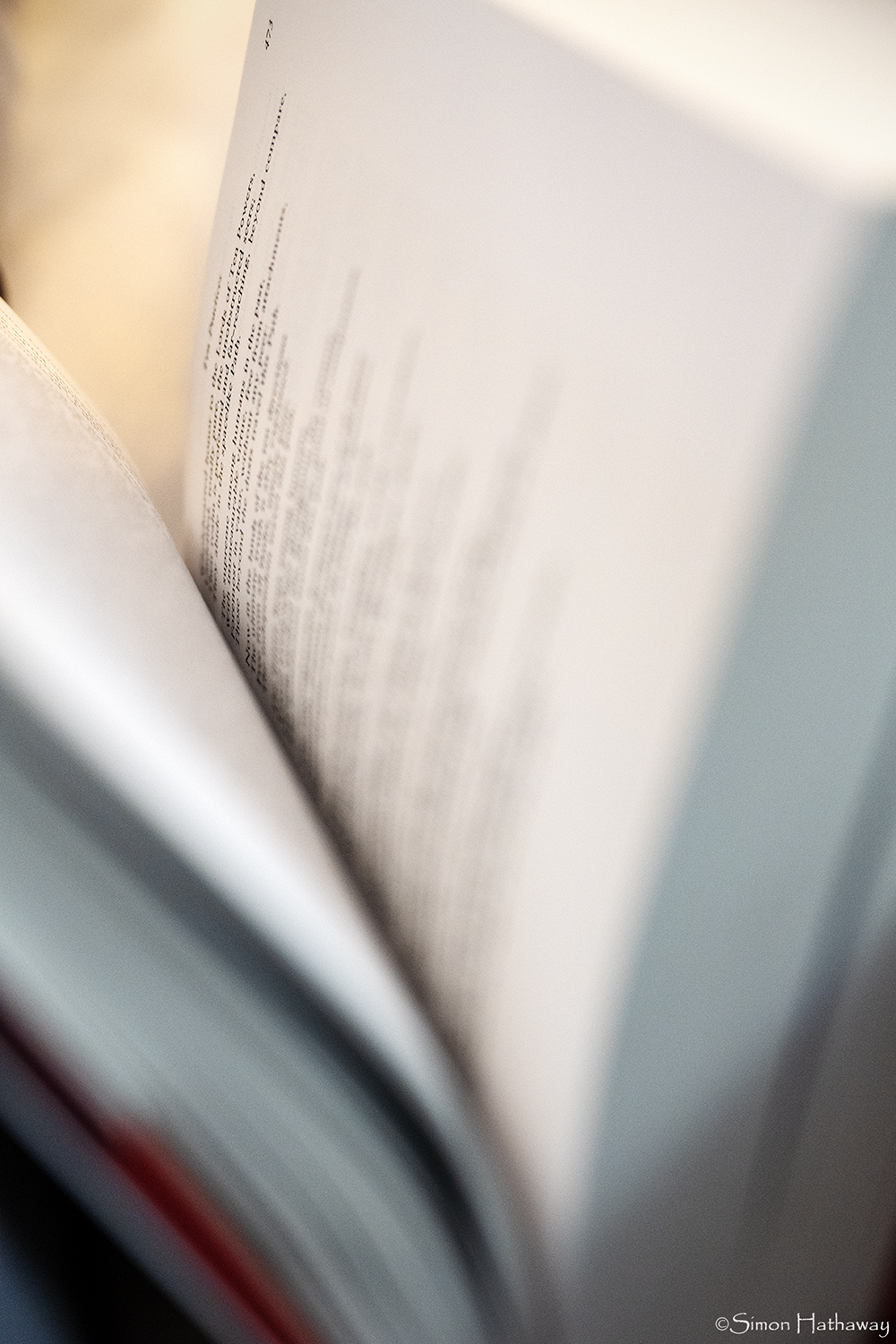
When we truly understand the Sutra that is always open, readable without a lamp even in pitch-black darkness, and cannot be burned by fire or soaked by water, every movement and every silence is the Sutra itself. Master Yabo described the state of upholding this Sutra as follows:
“Walking, staying, sitting, and lying down,
Dressing and eating.
Beyond these, what else could there be?”
He meant that our daily lives are, in themselves, the act of upholding the Sutra.
Student: “How can I receive and uphold this Sutra?”
Master: “To try to uphold it is, in fact, to discard it.”
Student: “I still do not understand what you mean.”
Master: “Ask me again.”
Student: “How can I receive and uphold this Sutra?”
Master: “Just take good care of that.”
Since there is nothing that is not the Sutra,
Why light a lamp at midday to read it?
Though you read and copy it all your life,
If you wrestle only with letters, it is but the talk of demons.
Koan:
While Master Yaksan was reading a Sutra, a monk asked, “Master, you usually tell people not to read Sutras. Why are you reading one yourself?”
Yaksan replied, “I am merely shading my eyes.”
The monk asked, “May I follow your example?”
Yaksan said, “In your case, you should be able to see through even a cowhide.”
Question: What is the meaning of Yaksan’s statement, “In your case, you should be able to see through even a cowhide”?
©Boo Ahm
All writing ©Boo Ahm. All images ©Simon Hathaway


