It’s because you acquired your belief that all words are illusionary not by honestly earning it through patient practice, but by stifling your doubts, although you say you know that all words are not real but illusionary. To present evidence that all words are illusionary, no matter how malicious and spiteful the words are which someone may reproach you with, they are nothing to you and can’t influence you at all unless you accept the words as names.
This is the evidence that all words are illusionary. If they were not illusionary but real, they should influence you regardless of whether you are conscious of the fact. This is why ancient masters said that losing one’s head during a conversation is an example of being deluded by words.
A monk asked Master Daesu, “When the cosmic fire blazes and the entire great thousand worlds collapse, does this also collapse along with them?” “It collapses,” he replied. The monk said, “Then I will follow it.” The master said, “Follow it, then.”
Student: “The Buddha and all ancient masters said that this (the true-Self) is boundless, formless and changeless so far. Why did Master Daesu say that it collapses?”
Master: “Because the Buddha hid himself in the flames.”
Commentary:
Sentient beings are ones who only see, or hear a tiny part, not the whole.
“Furthermore, Subhuti, wherever this Sutra is expounded, even a four-line verse, the place is worthy of the offerings of all heavenly beings, human and asuras as if it were a stupa and shrine of Buddha.”
“This is to say nothing of he who accepts, keeps, reads aloud and recites it in its entirety. Subhuti! You should understand this. Such a person will achieve the supreme and rarest dharma. The place where this Sutra is, is where the Buddha and his venerable disciples are.”
Commentary:
The core of this section lies in explaining what this Sutra truly is, how one should uphold and recite it, and what the results of such practice are.
First, try sharing the four-line verse of this Sutra with your family or acquaintances, or hand them a physical copy of the Sutra and see what happens. Do heavenly beings, humans, or Asuras come to make offerings to you? Store multiple copies of the Sutra in your home or office and observe. If you follow only the literal words, hundreds of stacked volumes are merely piles of paper that emit no light of their own. Reciting them out loud for a lifetime is no different from repeatedly singing a popular song; reciting them in a secular public space might even draw criticism rather than respect.
As mentioned in the previous part 11-2, ancient masters warned, “If you understand the meaning by relying on the words, the Buddhas of the three worlds will become your enemies,” or “If you read by relying on the words, the Sutra will become Mara’s talk.” This was said to prevent us from merely chasing shadows of language.
To explain the Sutra once more, it does not refer to characters printed on paper or silk, or carved in wood or stone. Here, Sutra means the Buddha, or Emptiness. When we say all things are empty, Emptiness is another name for the Buddha or the Pure Land. Everything we see and hear, including ourselves, is the Buddha and the Buddha’s talk. Therefore, this Sutra is also the Buddha. This means that everything in the world—every sight and sound—is the Sutra; there is nothing that is not the Sutra.
In this state, ‘I’ and the Sutra are one, with no gap or distinction between the two. ‘I’ and this Sutra are the Buddha himself. As the Avatamsaka Sutra states, “The names of all things are the names of the Buddha,” ‘I’ and the Sutra are simply different names for the Buddha.
Knowing that ‘I’ myself is the Sutra (the Buddha) is what it means to accept and keep the Sutra. Seeing everything as the Sutra and perceiving every movement and sound as the four-line verse of the Buddha’s sermon is what it means to read and recite the Sutra. Acting and speaking with the realisation that your every move and every sound is the functioning of the Buddha is what it means to preach the four-line verse.
When you become the Sutra in this way, wherever you are is where the Sutra exists. When the place where you stand becomes the place where the Sutra dwells, that place is where the Buddha and his venerable disciples reside. Wherever you are becomes the Vulture Peak assembly and the Pure Land.
Disciple: “What is this Sutra?”
Master: “It does not burn when entering fire, and it does not get wet when entering water.”
Disciple: “What is the four-line verse?”
Master: “It cannot be dictated or written down.”
Woken by the sound of the Sutra in the early morning,
Falling asleep to the sound of the Sutra late at night,
Yet no one knows the very first line of this Sutra.
Koan
An old woman sent a messenger to Master Joshu with an offering of wealth, requesting that he read the entirety of the Sutras.
Joshu descended from his Zen seat, walked in a circle around it once, and said, “I have finished reading the entirety of the Sutras.
The messenger returned and relayed this to the old woman.
The old woman said, “I asked him to read all the Sutras once; why did the Master only read half of them?”
Question 1: What is the meaning of Joshu’s walking in a circle and saying, “I have finished reading the entirety of the Sutras”?
Question 2: What is the meaning of the old woman’s remark, “Why did the Master only read half of them?”
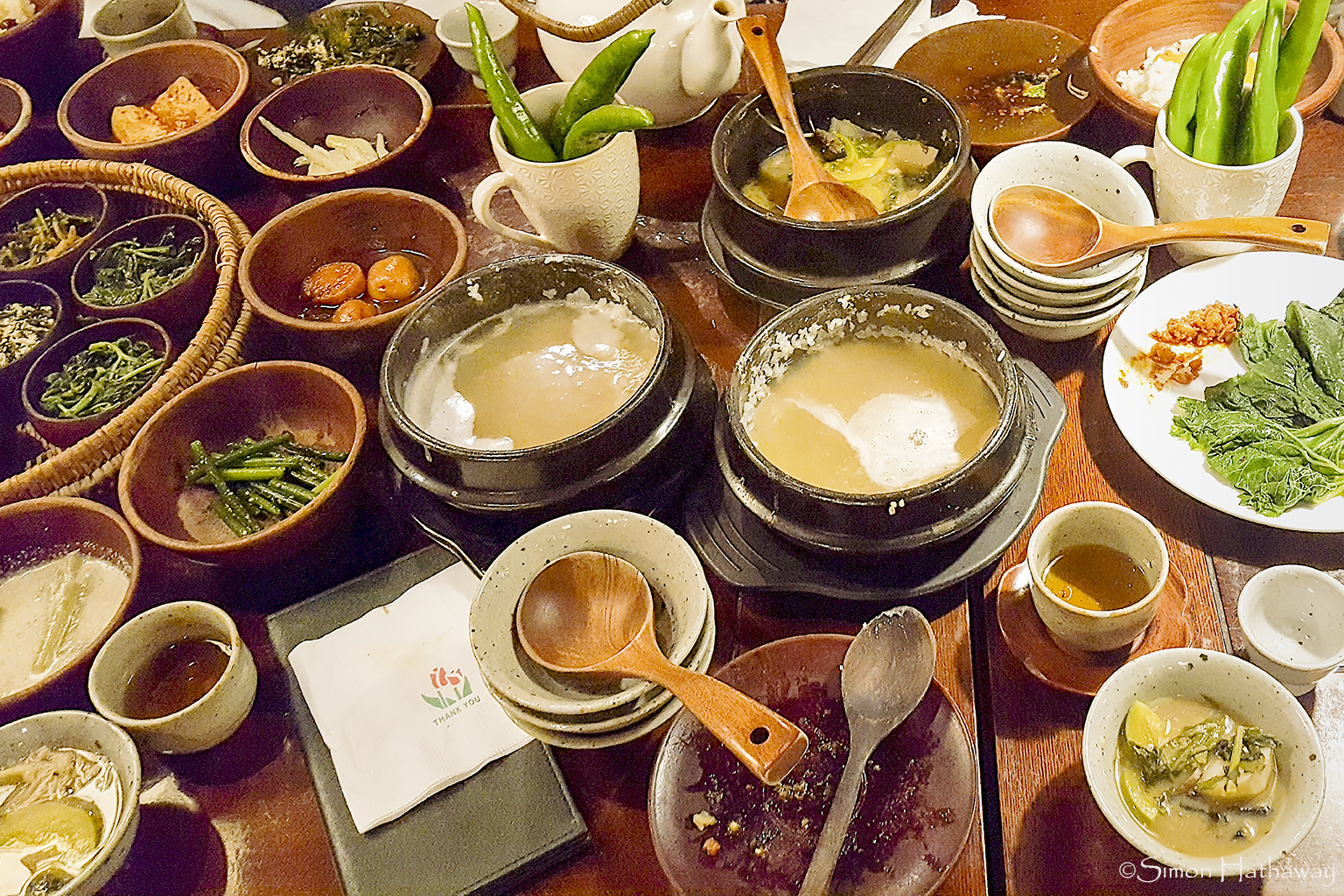
Understanding that life and death are nothing but empty words is one thing, and internalising the fact through physical experience is another. This is why practice is needed. For example, if I give you detailed explanations about a traditional Korean food — its shape, its colour, its taste, its ingredients — repeatedly many times, you can have knowledge about it and guess what it is and tastes like. Then, you can think you know it and even explain it to others, although you have never tried it.
Strictly speaking, it cannot be said that you know the Korean food, but you think that you know it. That is referred to as dry knowledge in Buddhism, another name of an illusion. In the same way, you are not aware of the fact that everything is empty, because you have never experienced the words ‘everything is empty’ in person. I am sure you can surmount your problem sooner or later if you practise hard.
When Namchun visited Bakjang, Bakjang asked him, “Is there any Dharma that has not been spoken by any sages since ancient times?” Namchun said, “Yes, there is.” Bakjang said, “What is the Dharma that has not been uttered?” Namchun said, “It is not mind, not Buddha, and not four holy Truths.” Bakjang remarked, “You have already said it.” Namchun said, “That is how I see it. How is it for you, Master?” Bakjang said, “I am not a great Zen master. How could I know whether there is something to say, or not?” Namchun said, “I don’t understand.” Bakjang said, “I’ve already said too much to you.”
Student: “Why did Bakjang say, ‘I’ve already said too much to you’ although he had already said that he didn’t know whether there was something to say, or not because he was not a great Zen master?”
Master: “The master never wastes any words.”
Commentary:
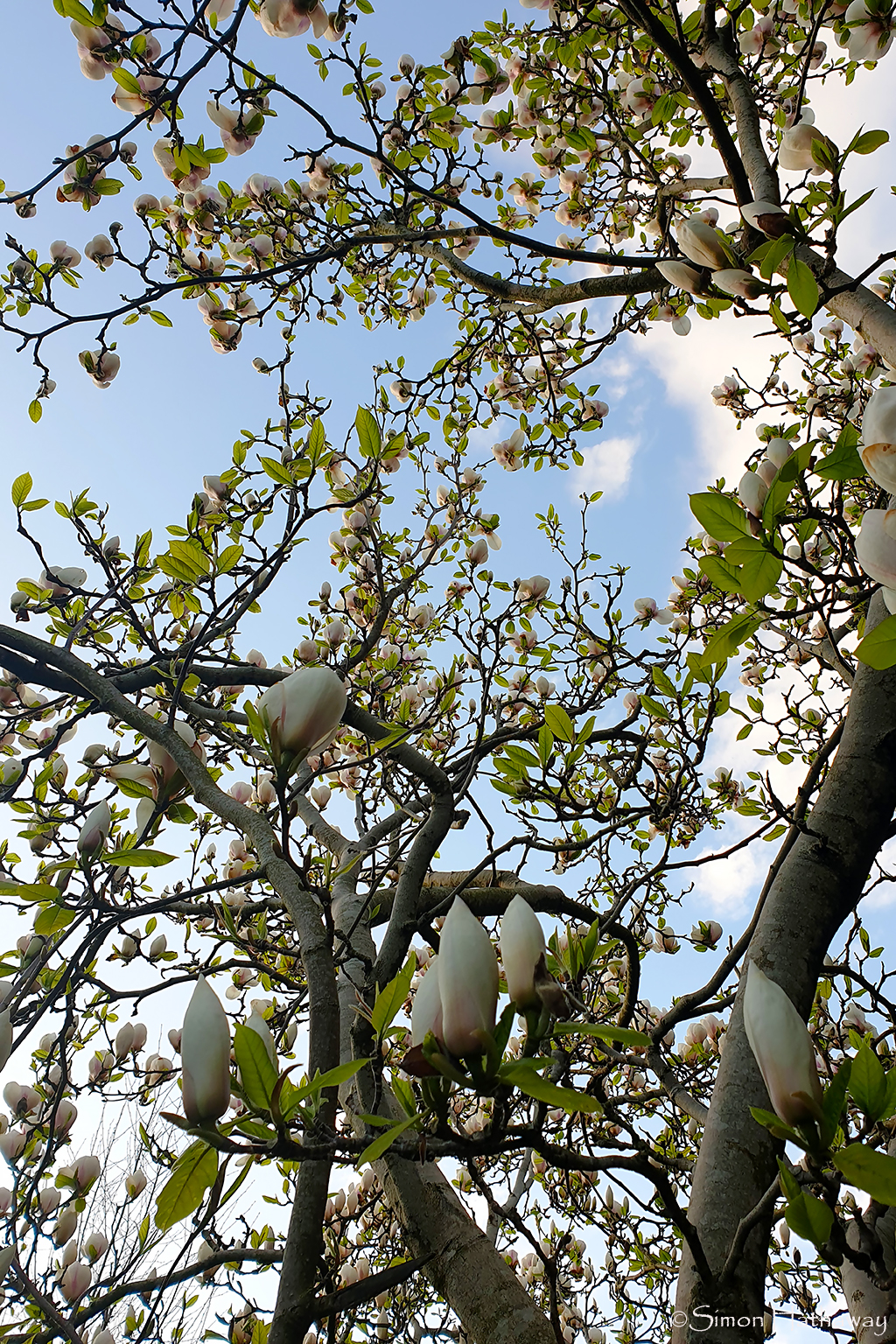
Spring never says that it is coming, but we know it by seeing trees budding.
“Subhuti, I am telling you the truth. If a good man or a good woman filled as many billion-world universes as grains of sand in that many Ganges Rivers with seven kinds of treasures, and used all that to give in charity, would there be many blessings gained?”
Subhuti said, “Very much, World Honoured One.” The Buddha said to Subhuti, “If a good man or a good woman accepts and holds even a four-line verse of this sutra and tells it to others, the blessing of this exceeds the aforementioned blessings.”
Commentary:
The Buddha taught that receiving and sharing even a single four-line verse of this Sutra is far more virtuous than offering the seven kinds of treasures sufficient to fill a billion-world universe. As mentioned in 8-1, “receiving and sharing a four-line verse” does not mean handing over a Sutra printed on paper or silk, or carved in wood or stone, nor does it mean merely memorising the words to tell others. It means that if you accurately understand even a single phrase or word of this Sutra, the merit of that understanding surpasses the merit of offering countless treasures.
An ancient master once said, “If knowledge enters one’s mind and leads one to create a new illness by attaching oneself to medicine, even the most famous doctors of old could not apply their sublime skills to such a person.” Likewise, if you listen to, or read the Sutra only as intellectual knowledge and cling to the words, you are not curing your illness; you are adding a new disease to your existing one. For such a person, even if Shakyamuni Buddha himself were to return to life, he could not save himself, let alone share the Sutra with others.
Thus, regarding the method of reading Sutras, ancient masters warned, “If you understand the meaning by relying solely on the words, the Buddhas of the three worlds (past, present, and future) will be your enemies; yet, if you deviate by even a single word from the sutra, the Sutra will become Mara’s words.” This means we must not be deceived by words, yet we must not skip or misinterpret even a single character.
As stated in 11-1, just as all forms, the Ganges, and every grain of sand within it are like dream-like illusions, or non-existent rabbit horns, so are the billion-world universe and the seven treasures. We must not be deceived by language; instead, we must see every word and every phrase as the function of the true-Self and see the Buddha in every single syllable. To see the Buddha in every word means not to be deceived by words into merely understanding the Sutra intellectually. For every word and phrase to become the Buddha means that a single word, or a single phrase contains the entire meaning of the Sutra—thus, seeing one word is seeing the whole Sutra, and not a single character is left out. Reading countless volumes of Sutras while trapped in letters and words is not as good as seeing the true-Self in a single word, or a single phrase.
When this is achieved, everything you see and hear—including yourself—is seen as the Buddha. You confirm that you yourself are the very true-Self that encompasses all things. At that moment, your body becomes the Sutra, and every action and sound from you becomes a four-line verse. When your acts of giving something in charity become the four-line verse itself, that is true giving without dwelling, and there is no greater merit.
As Master Yonga wrote in the Song of Enlightenment, “An arrow shot into the sky, no matter how high it may rise, will eventually fall to the ground when its force is spent.” Secular merit earned through a discriminating mind, no matter how vast, eventually comes to an end. However, the merit of realising that you yourself are the Buddha is eternal. This is the true merit of which the Buddha speaks.
Disciple: “What is a four-line verse?”
Master: “It is not in the written letters.”
Disciple: “Then what is it?”
Master: “It has already been said.”
The wind gently shakes the wind-bell to let you know,
The raindrops and leaves join forces to let you hear,
A passing bird recites it for you,
But still you do not understand—
So finally, the thunder roars.
Is the Buddha angry?
Koan
A monk once asked Master Yuguan, “What is the Way (the true-Self)?”
Master Yuguan replied, “What a magnificent mountain!”
The monk asked again, “I asked you about the Way; why do you speak of a magnificent mountain?”
Yuguan replied, “Because you only know the mountain, how could you ever attain the Way?”
Question 1: Why did Master Yuguan reply, “What a magnificent mountain!” to the monk’s question?
Question 2: What is the meaning of Yuguan’s statement ‘Because you only know the mountain, how could you ever attain the Way?’?
The fact is that you don’t have to return to it but that you have only to realise that you are there. You cannot recognise your original nature whilst being there, because you can’t see things as they are due to illusions.
Clarifying your mind means clear your mind of all illusions. In other words, you reach the state that you can see and hear everything as it is without being deluded by words and forms. Then, you realise that you are already in your original nature and that you have never left it.
When Namchun visited Bakjang, Bakjang asked him, “Is there any Dharma that has not been spoken by any sages since ancient times?” Namchun said, “Yes, there is.” Bakjang said, “What is the Dharma that has not been uttered?” Namchun said, “It is not mind, not Buddha, and not four holy Truths.” Bakjang remarked, “You have already said it.” Namchun said, “That is how I see it. How is it for you, Master?” Bakjang said, “I am not a great Zen master. How could I know whether there is something to say, or not?” Namchun said, “I don’t understand.” Bakjang said, “I’ve already said too much to you.”
Student: “What is the Dharma that has not been spoken by any sages?”
Master: “How can I say what even the Buddha didn’t say?”
Commentary:
If you hear it, you are wrong, but if can’t hear it, you are foolish.
“Subhuti, suppose there were as many Ganges Rivers as there are grains of sand in the bed of the Ganges River: would the grains of sand in all those Ganges Rivers be many?”
Subhuti said, “Very many, World Honoured One. The rivers themselves would be countless, let alone their sands.”
Commentary:
In part 8-3, the Buddha said, “Buddha Dharma is not Buddha Dharma, but is merely named Buddha Dharma,” and in 10-5, he taught that ‘What is not a body is named a body as great as Mount Sumeru’. In the same way, even if there are as many Ganges Rivers as there are grains of sand in the Ganges, and the total number of those grains of sand is beyond imagination, we must now realise that the ‘Ganges’ is merely named the Ganges, and ‘sand’ is merely named sand. We must learn to see not only ‘a body as great as Mount Sumeru’, ‘the Ganges’, or ‘sand’, but everything we see and hear as a dream-like illusion—as non-existent as a rabbit horn.
Whether there is one rabbit horn, or ten thousand, there is no difference because they do not exist. This is why ancient Zen masters said, “One is not single, and two are not a pair.” The Avatamsaka Sutra also states, “In the Buddha’s work, there are no numbers.” This means that all things are like dreams imagined by our own minds.
This is why ancient masters often tested their disciples by saying, “You must know the number of hairs on your head,” or “Do you know the number of grains of sand in the Ganges?” This was a warning not to be deceived by words and appearances. If one tries to understand the Buddha’s teachings only through literal words, they will never achieve their goal even with a lifetime of effort. Such people are compared to fools who dive into the ocean to count every grain of sand on the seabed. If we are truly not deceived by words and forms, we should already know the number of grains of sand in the Ganges and the number of leaves on Mount Namsan in Seoul.
Disciple: “How many grains of sand are there in the Ganges River?”
Master: “Exactly the same as your age.”
To fail to see the Great One,
While claiming to see the many small things—
That is precisely what we call ‘Illusion’.
Koan
National Teacher Haechoong was asked by Emperor Sookzong, “What do you wish for after you pass away?”
Haechoong replied, “Please build a seamless pagoda for this old monk.” The emperor said, “Please explain to me the design of such a pagoda.” The National Teacher remained silent for a moment and then asked, “Do you understand?”
The emperor replied, “I do not.”
The National Teacher said, “My disciple Tamhun, to whom I have transmitted the Dharma, knows of this matter. Please call him and ask.” After the National Teacher passed away, the emperor summoned Tamhun and asked for the meaning.
He replied, “South of Xiang, North of Tan; within it, there is gold that fills the entire country.”
Question 1: What does the ‘Seamless Pagoda’ mentioned by Haechoong look like?
Question 2: What was the meaning of the National Teacher’s silence followed by “Do you understand?”
Question 3: Why did the Master tell the emperor to ask his disciple Tamhun?
Question 4: What is the meaning of Tamhun’s reply: South of Xiang, North of Tan; within it, there is gold that fills the entire country?
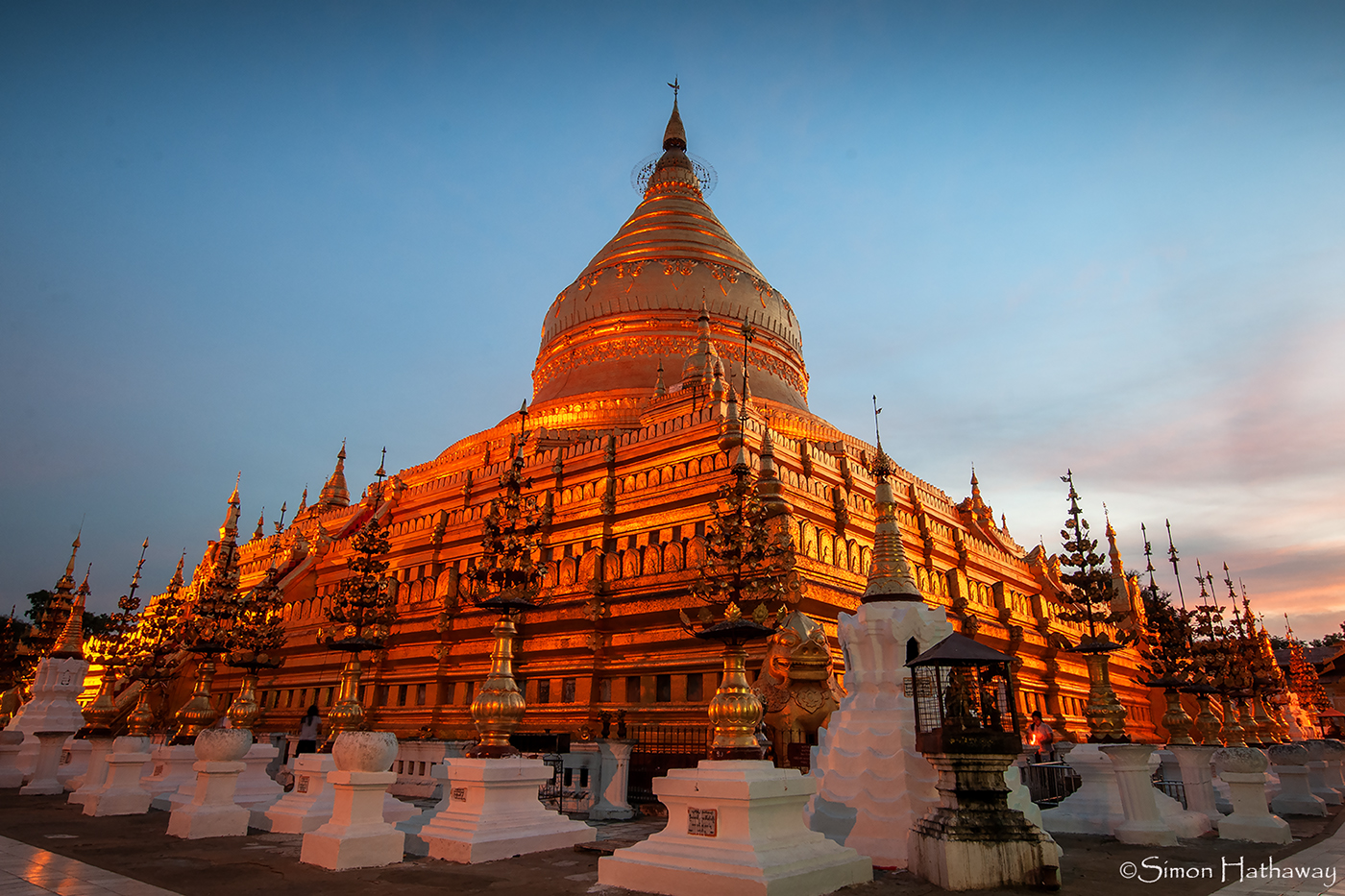
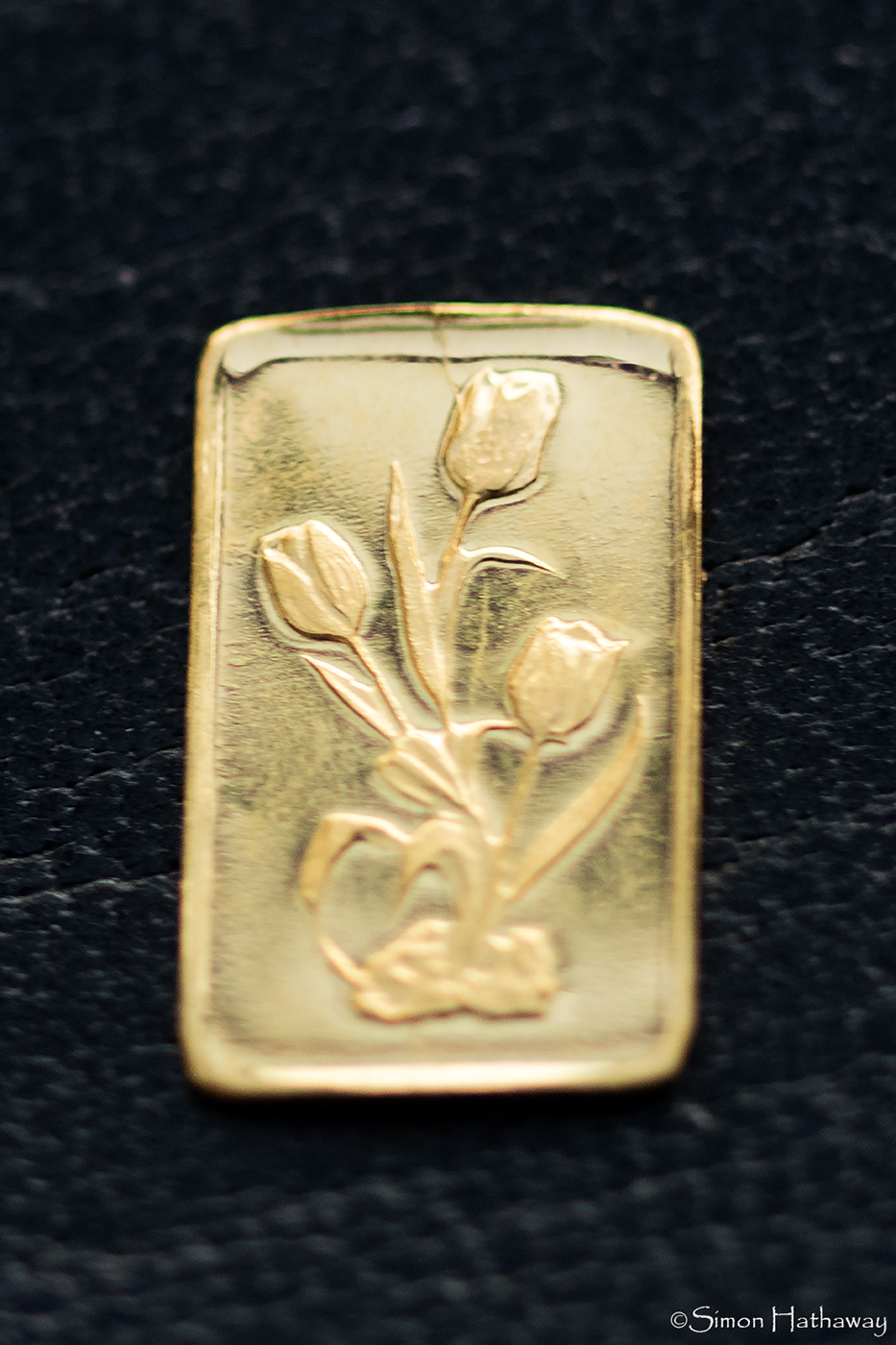
Is gold traded dearly as an important mineral because it deserves it, or because people want to do so? In fact, gold itself has never said, “I am gold, and call me gold” nor does it have any intention to help people. It is we people that named it gold and put value on it.
Many years ago, as another example, a lion was no more than a predator that threatened our lives and something to avoid, or kill. But these days it has become something to protect and preserve, although the instinct, aggression of a lion is the same as it used to be. Why? It is not because a lion deserves it but because we want to do so that a lion is well-treated nowadays. Finally, the evaluation of everything depends on beholders.