
Questions & Koans

Uncategorized

Hsin Shin Ming: “42. Quietude and noisiness come from ignorance; Enlightenment has no likes or dislikes for them.”

Hsin Shin Ming: “42. Quietude and noisiness come from ignorance; Enlightenment has no likes or dislikes for them.”

‘Quietude’ and ‘noisiness’ mean being peaceful and being troubled in our life. ‘Ignorance’ here means being deluded by illusions without knowing that everything is empty. To rephrase the scripture, we are peaceful when we get what we like and are removed from what we dislike, and troubled when we fail to obtain what we like and are forced to accept what we dislike, because we are ignorant that everything is empty. However, when we have realised that what we like and what we dislike are all empty and that they are just illusions created by us, we can be free from being deluded by them and enjoy them as if we enjoy a movie.

SRH_2700a_thumb


So, once you realise that all things are empty, they become condiments that enrich your life, whereas they become poison leading you to the suffering from quietude and noisiness when you don’t know that they are empty.

Student: “How can I cease to like quietude and dislike noisiness?”
Master: “You should not mistake quietude for noisiness.”

©Boo Ahm

All writing ©Boo Ahm. All images ©Simon Hathaway

#zen #meditation #zenfools http://ow.ly/i/Fex1O
Uncategorized

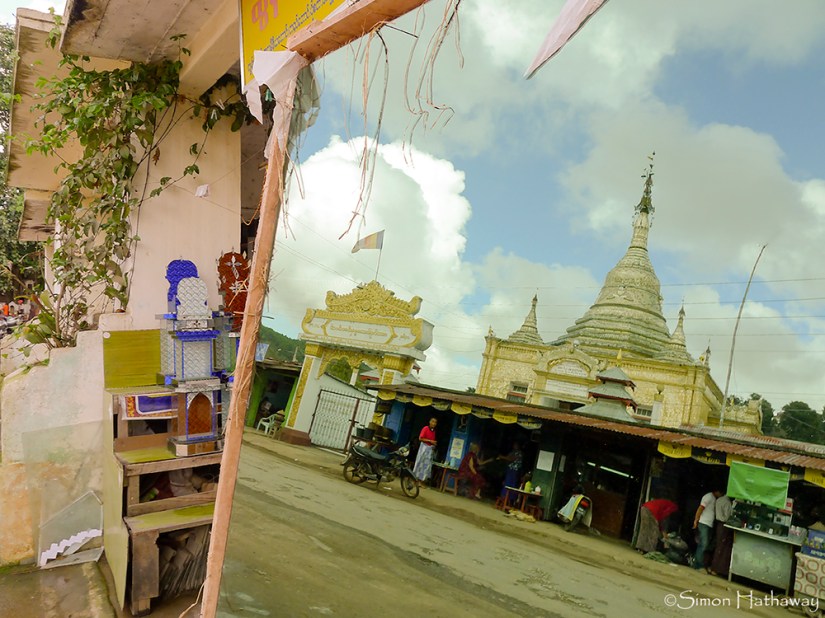
Q. What does it mean to see the world like a mirror? How can I see like that?

Q. What does it mean to see the world like a mirror? How can I see like that?

A. Once an ancient master asked one of his students, “How do you see the world?” The student answered, “I see the world like seeing a mirror.” Then, the master said, “Your comment is good but not perfect.” The student asked back, “How should I see the world, Sir?” The master said, “You should see the world just like a mirror seeing the world.”, and the student monk was deeply touched.

File0450a_thumb


You should be able to see the world not like seeing a mirror but like a mirror seeing the world. A mirror reflects everything as it is, whatever is before it, without discriminating. No matter how beautiful a flower you may put in front of it, it never thinks of it as a beautiful flower and never craves for it. It just reflects the flower as it is. However dirty a thing may be in front of it, it never dislikes or distorts it but just reflects it as it is. In order to see the world like this, you should be able to see the world as empty.

©Boo Ahm

All writing ©Boo Ahm. All images ©Simon Hathaway

#zen #meditation #zenfools http://ow.ly/i/FcDMg

Uncategorized

Yunmen’s “Where Are They?”

Yunmen’s “Where Are They?”

Once Yunmen was asked by a monastic, “When birth and death come, how do we avoid them?” Yunmen said, “Where are they?”
Student: “Why did Yunmen say, ‘Where are they?’ when asked how to avoid birth and death?”
Master: “Because you can avoid them when you know where they are.”

SRH_4976a_thumb


Commentary:
All suffering is from struggling to attain and avoid what we don’t know and where it is.

©Boo Ahm

All writing ©Boo Ahm. All images ©Simon Hathaway

#zen #meditation #zenfools http://ow.ly/i/EWTGJ

Uncategorized

Hsin Shin Ming: “41. Looking for the mind with the mind is the original mistake.”

Hsin Shin Ming: “41. Looking for the mind with the mind is the original mistake.”

The mind means the true-Self. Not only we, but also all other things are the true-Self, and there nothing else other than the true-Self.

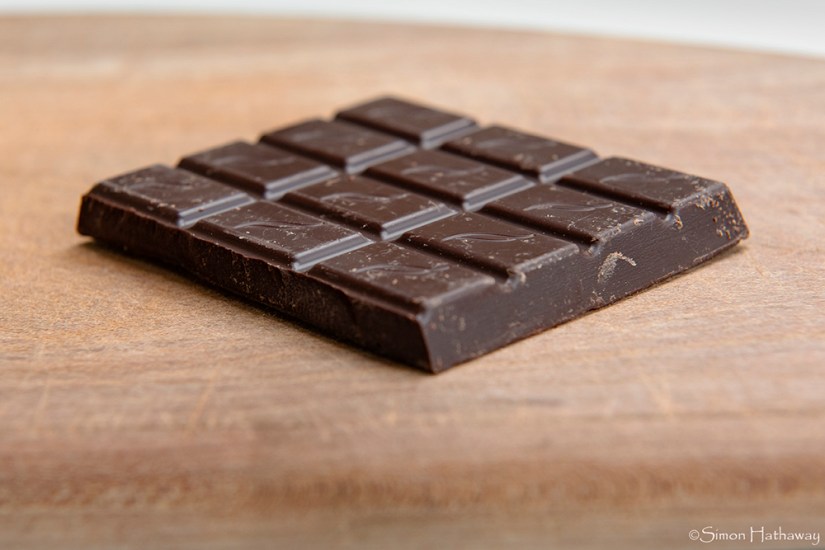
Looking for the mind with the mind is just as if a five-year-old child were looking for the universe while not knowing that he is part of the universe. The reason why we try to find the mind in vain is that we are deluded by the label, ‘mind’ just as a five-year-old child imagines that the universe has a certain shape like sweets, chocolate and apples when he hears the word, universe.

018_7399a_thumb


Student: “How can we be free from the original mistake?”
Master: “Try to see who is looking for the mind instead of looking for the mind.”

©Boo Ahm

All writing ©Boo Ahm. All images ©Simon Hathaway

#zen #meditation #zenfools http://ow.ly/i/Fewsr

Uncategorized

Q. Some masters tell us not to sit at noon and midnight and to avoid practising at dawn and dusk. What is the best time to practise?

Q. Some masters tell us not to sit at noon and midnight and to avoid practising at dawn and dusk. What is the best time to practise?

The purpose of Zen meditation is to remove illusions, imaginary lines. Time is one of the most typical illusions. There is not such a thing as time, not to mention no good time or bad time. To think that there is a good time and a bad time is to add more imaginary lines of good time and bad time. Clinging to good times and avoiding bad times such as dawn and dusk is to be deluded by illusions, which is to run counter to Zen meditation.

_SRH9451a_thumb_insta


Every moment is equal and neutral. However, everybody has his own physical rhythm and different circumstances suitable for practice depending on his job and situation. So, the best time for practice is the time suitable for your personal circumstances.

©Boo Ahm

All writing ©Boo Ahm. All images ©Simon Hathaway

#zen #meditation #zenfools http://ow.ly/i/F4uDx

Uncategorized

Tozan’s three pounds of flax

Tozan’s three pounds of flax

A monk asked Tozan, “What is the Buddha?” Tozan answered, “Three pounds of flax!”

Student: “Why did Tozan say, ‘Three pounds of flax’ when he was asked what the Buddha is?”
Master: “It is parents that give pocket money to their children, but it is their children that decide how to use it.”

P1030917a_thumb


Commentary:
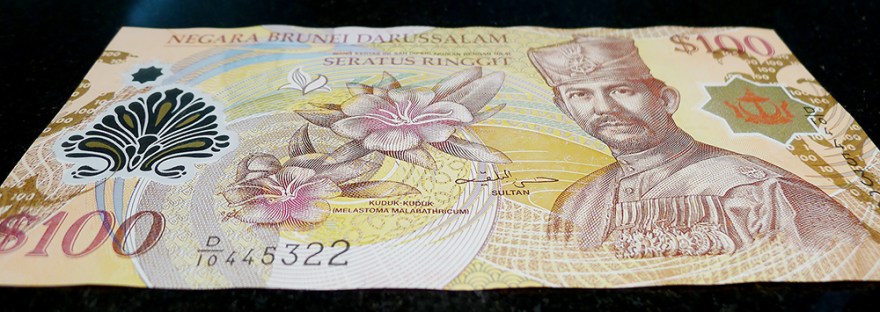
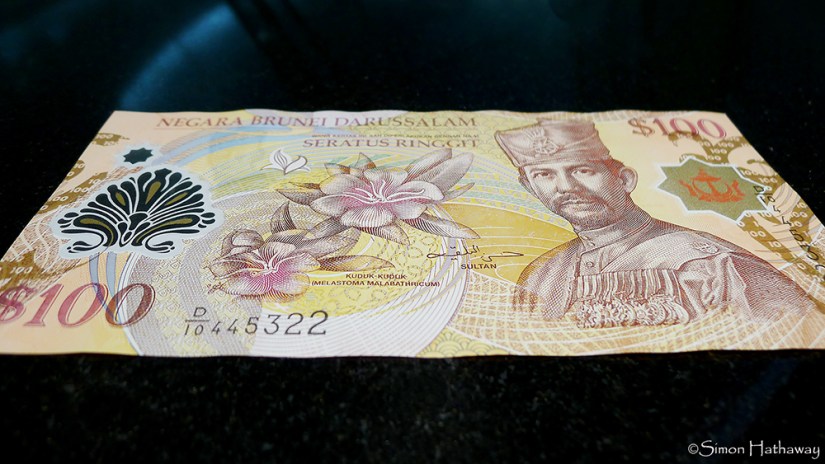
A banknote is money to the wise but just a piece of paper to the foolish.

©Boo Ahm

All writing ©Boo Ahm. All images ©Simon Hathaway

#zen #meditation #zenfools http://ow.ly/i/EWjgW

Uncategorized

Hsin Shin Ming: “40. There is but one Dharma, nothing else. People make illusions and are attached to them.”

Hsin Shin Ming: “40. There is but one Dharma, nothing else. People make illusions and are attached to them.”

Dharma means the Way, true-Self or emptiness. The essence of everything is emptiness, and everything is oneness as emptiness. What we see, hear and feel is all one Dharma, emptiness, and there is nothing else. The reason why things look different from each other is not because each of them differs originally from one another but because we divide oneness into many and differentiate by assigning different labels, imaginary lines such as good, bad, large, small, gold, stone, glass, diamond and so on.

SRH_1559a_thumb


We struggle to attain ‘good’ and avoid ‘bad’. This is how we are deluded by the illusions created by us. In particular, those who try to attain enlightenment or realise what the true-Self, emptiness is, tend to make images of emptiness or the true-Self and strive to achieve them. This is like trying to grasp a moon’s reflection in the water.

Student: “It is said that there is but one Dharma. What is the one Dharma?”
Master: “What is not?”

©Boo Ahm

All writing ©Boo Ahm. All images ©Simon Hathaway

#zen #meditation #zenfools http://ow.ly/i/F2hsi

Uncategorized

Q. Some people who experienced the true-Self still encounter many problems afterwards. Does this mean that the initial experience was not genuine?

Q. Some people who experienced the true-Self still encounter many problems afterwards. Does this mean that the initial experience was not genuine?

A. To experience the true-Self doesn’t mean to change the world itself where you live but means to change your view of the world. So, in other words, you still can encounter a lot of problems afterwards but the way you see them is different from how it used to be after experiencing the true-Self.

For example, the classical music from your neighbouring house is a very irritating noise to you when you know nothing about classical music. However, the same music sounds so beautiful that you come to admire it once you have an ear for classical music. The music that used to be a problem is now a pleasure.

_SRH3962a_thumb
In the same way that music which sounded noisy when you couldn’t understand it now sounds beautiful to you after mastering how to appreciate it. Likewise, the same world around you looks different after you experience the true-Self because your view is changed.

So, if they still have the same view of things as they did before the experience, the experience they had was not the experience of enlightenment but that of a minor change.

©Boo Ahm

All writing ©Boo Ahm. All images ©Simon Hathaway

#zen #meditation #zenfools http://ow.ly/i/F4tWY

Uncategorized

Nanquan’s “Content and Container”

Nanquan’s “Content and Container”

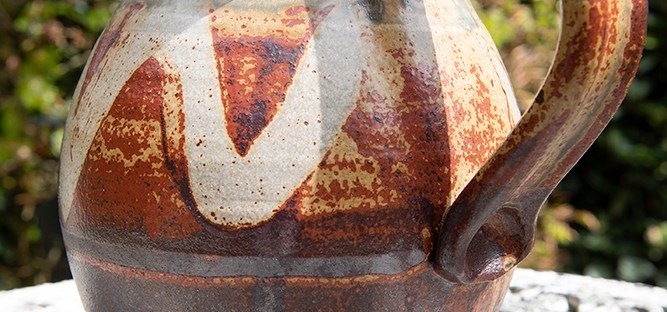
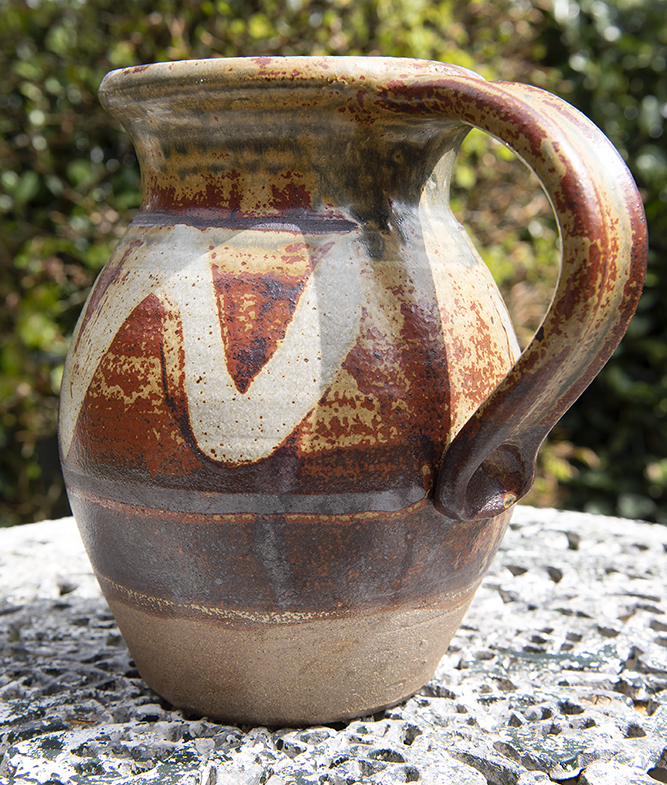
One day Nanquan saw Deng Yinfeng of Mount Wutai coming. Nanquan pointed to a water jar and said to Yinfeng, “The jar is the container. There is water in the jar. Bring the water to this old monastic without moving the container.” Yinfeng took the jar and poured the water in front of Nanquan. Nanquan shut up.

018_7380a_thumb_insta


Student: “Why did Yinfeng take the jar to Nanquan although he was told not to move the jar?”
Master: “Because he heard what was not spoken.”
Student: “What was it that was not spoken?”
Master: “What is spoken by you now is based on what is not spoken.”

Commentary:
What is not spoken is hidden in what is spoken.

©Boo Ahm

All writing ©Boo Ahm. All images ©Simon Hathaway

#zen #meditation #zenfools http://ow.ly/i/EWiRY

Uncategorized

Hsin Shin Ming: “39. The wise do without doing, but the foolish fetter themselves.”

Hsin Shin Ming: “39. The wise do without doing, but the foolish fetter themselves.”

The wise are those who are enlightened. ‘Do without doing’ means not to be attached to, or not to be deluded by illusions. ‘Fetter themselves’ means to tie themselves with illusions or be deluded by illusions. To do without doing is possible only when we have realised that everything is empty and neutral.

Let’s suppose we did good to one of our friends for example. The wise regard their doing as empty and forget it as if they had done nothing. This is doing without doing. The foolish are likely to keep the idea that they did something good, as if to bank their money. Keeping the idea that we did something good is binding ourselves with an illusion that we did something good.

017_9920a_thumb


Let’s suppose that we are in such a needy situation that we are forced to ask the friend whom we assisted for help. When he complies with our request, the wise are as happy as if to take an unexpected gift form him and feel grateful to him. But the foolish are likely to take his help for granted just as if they withdrew their deposited money from a bank and so don’t feel as happy and grateful as the wise. When he refuses their request, the wise aren’t wounded by his refusal. However, the foolish will be wounded a lot and even feel betrayed, just as if their bank were to refuse them their previously deposited money when they wanted it back. In the end, when we fetter ourselves, we end up hurting ourselves even by doing good. So, ancient masters would say that doing good is not as good as doing nothing. The latter means doing without doing.

©Boo Ahm

All writing ©Boo Ahm. All images ©Simon Hathaway

#zen #meditation #zenfools http://ow.ly/i/ECNyS