A. The Heart Sutra says, “There is neither birth nor death, nor is there the exhaustion of them.” This means that just as everything is empty, so birth and death are also empty and illusionary. In the same way that the universe is neither alive nor dead although its change is limitless and everlasting, nothing, including ourselves, ever perishes in essence as part of the true-Self even though everything turns into another form visible, or invisible in the middle of endless eternal change.
When we see ourselves as human beings, we have birth and death, but when seeing ourselves as part of the true-Self, we have neither of them. So, the meaning of ‘We are not born into the world’ in Buddhism is to realise that the essence of our being is free from birth and death.
When a monastic asked Master Jangsa, “Does the original man become the Buddha?” the master said, “Tell me. Does an emperor sow seeds and harvest rice himself?” The monastic said, “Well, who becomes the Buddha then?” The master said, “You do.” The monastic didn’t respond, and the master asked him, “Do you understand?” The monastic said, “No, I don’t know.” The master said, “The one who fell on the ground has to get up on his feet depending on the ground, but the ground never says anything to him.”
Student: “Why does the monastic become the Buddha?”
Master: “Because he is still the original man’s servant.”
Commentary:
That a servant who is unaware of his owner turns out to be the owner is enlightenment.
“World Honoured One, if there is anyone who, on hearing this sutra, conceives pure faith, he will realise the true form of everything. One should know that such a person has accomplished the rarest merit.”
“World Honoured One, this true form of everything is not a form: therefore, the Realised One says it is called the true form of everything.”
Commentary:
‘Conceive pure faith’ here means to see and hear things as they are without being deluded by forms and words. ‘The true form of everything’ implies Emptiness, the true-Self that is boundless, formless and changeless. Although realising the true-Self is referred to as accomplishing the rarest merit, the true-Self is never rare but too common. It is not because it is rare but rather because it is abundant that we have difficulty discerning it. So, we should not think that enlightenment is to get, or gain something valuable from outside by being deluded by the word ‘accomplish’. The true-Self, in fact, can be neither gained nor taken away since it, as mentioned above, is boundless and formless. It contains everything, and there is nothing that doesn’t belong to it. This is why this true form of everything is not a form: it is called the manifestation of truth.
Student: “What is this true form of everything like?”
Master: “There is nothing like it because there is nothing else but it.”
Q. What we practise to see is the true-Self, the Buddha, or Emptiness. Everything that reaches our eyes and ears is the true-Self, and there is nothing that is not the true-Self. All things appear to be different and separate from each other since we can’t see them as they are. Seeing the true-Self, or reaching the Pure land is not to find something special far away beyond our sight and reach but to see and hear all things as they are.
Put in other words, it not because the Buddha is far away out of our reach that we cannot see it, but because we cannot recognise it although it is with us all time. So, looking for the Buddha while looking away from the things around us is like trying to bake bread with flour. This is why you should practise without abandoning worldly karma.
Zen meditation is a practice to see things around us as they are, not to look somewhere else for the true-Self.
When a monastic asked Master Jangsa, “Does the original man become the Buddha?” the master said, “Tell me. Does an emperor sow seeds and harvest rice himself?” The monastic said, “Well, who becomes the Buddha then?” The master said, “You do.” The monastic didn’t respond, and the master asked him, “Do you understand?” The monastic said, “No, I don’t know.” The master said, “The one who fell on the ground has to get up on his feet depending on the ground, but the ground never says anything to him.”
Student: “What is the original man?”
Master: “Everybody, including the Buddha, is his servant.”
Commentary:
An emperor’s dreaming that he is asking for charity as a beggar is the way sentient beings live.
Then, Subhuti, hearing the exposition of this sutra, profoundly understood the import and weeping, said to the Buddha, “How rare it is, World Honoured One! I have never heard you expound such an extremely profound scripture as this is, from the eye of wisdom I have obtained.
Commentary:
Subhuti seemed to realise the true-Self in person by experiencing it through his body for the first time. What we should remember here is that the Buddha’s words, dharma talks are never rare although Subhuti said they were rare. As the Avatamsaka Sutra says, “The body of the Buddha is all around the universe, appears before sentient beings and responds to them, and giving diverse dharma talks, leads them to realisation.” And says, “The Buddha says with a single word all the interminable dharma talks he has preached with subtle sound filling the universe for infinite aeons,” and “the Buddha, being with us all the time, has been, is and will be preaching dharma talks forever.” Every sound, including silence, is the Buddha’s dharma talk, and there is no sound that is not his dharma talk. We cannot stop hearing it even for a moment. The problem is that we don’t discern it. It is not because the Buddha’s dharma talk is rare but because we cannot recognise it that it sounds rare. In fact, the Buddha had not expounded less profound scripture before although Subhuti said he had never heard him expound such an extremely profound scripture as that was, since there is no difference between among his dharma talks. As mentioned in the Avatamsaka Sutra, the Buddha expressed, with a single word, all the interminable dharma talks he has preached for infinite aeons, and Subhuti grasped it for the first time.
Student: “What is the extremely profound scripture?”
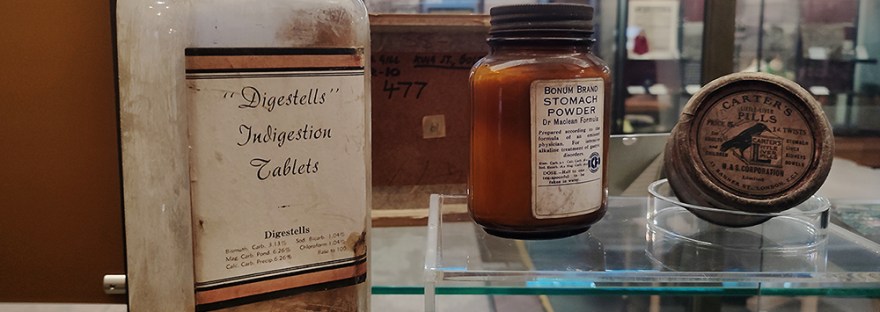
A. It is true that medicine is one with poison, that hell is one with the Pure land, and that Mara is one with the Buddha. In fact, everything is neutral; neither medicine nor poison, neither hell nor the Pure land, and neither Mara nor the Buddha. Whether something is a remedy, or poison depends on how we see it.
The key point is that what we can see Oneness, the true-Self through, is medicine and what allures us to see many, that is, things, is poison.
When seeing, or hearing a thing, no matter what it is, it is a remedy if we see Oneness, the true-Self through it. It is poison if it prevents us from seeing the true-Self.
So, we should try to see and hear things without attaching any words, or any definition to them such as a bird, a flower, an aeroplane and so on, because attaching names is dividing Oneness into many. This is why even the Sutras become Mara’s talk when we are deluded by the words therein, and even the sound of a dog’s barking is an effective medicine if we hear it as it is without attaching any names to it.
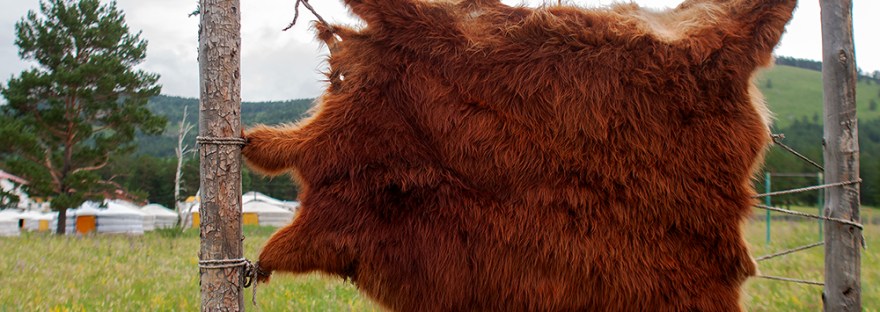
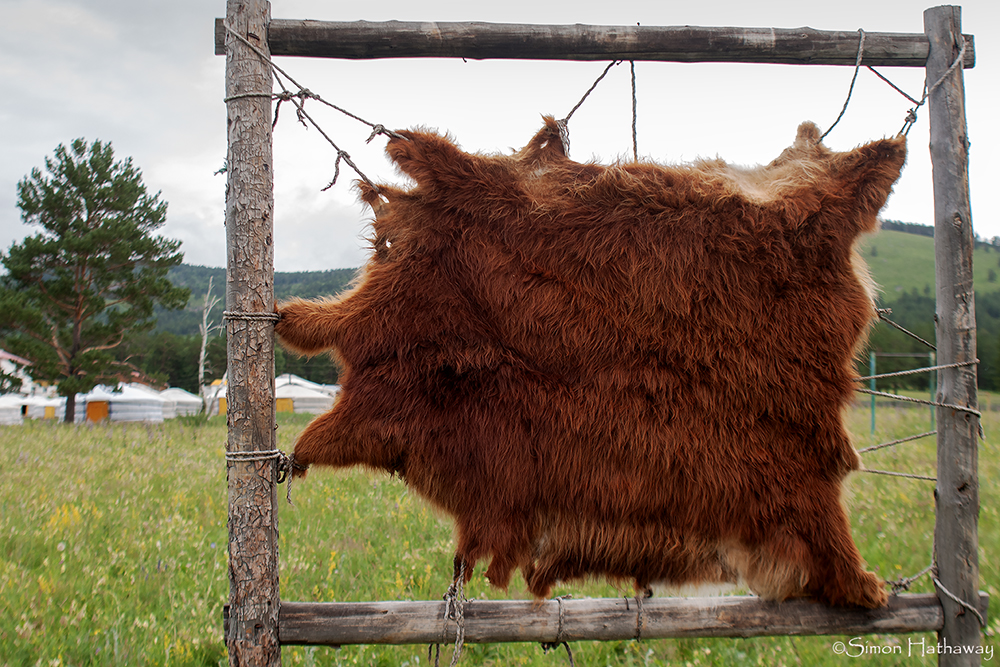
When Master Yaksan was reading a sutra, one of his students said to him, “Why do you read the sutras yourself whilst telling people not to read the sutras?” The master answered, “I am just covering my eyes.” The student asked, “May I use the sutras just as you do?” The master said, “You should see through even a cow’s hide.”
Student: “How can I see through a cow’s hide?”
Master: “You can do it if you can see through transparent glass.”
Commentary:
You can’t see through glass until you see through a cow’s hide.
“Subhuti, suppose good men and good women give as many lives as the grains of sand in the Ganges River in charity. If someone accepts and holds even a four-line verse of this Sutra and explains it to others, his blessings would be much more.”
Commentary:
The same words were already mentioned in part 8-1, part 11-2 and part 12 repeatedly. We should appreciate why the Buddha put so much emphasis on these words. In fact, it is because accepting and holding even a four-line verse of this Sutra and explaining it to others is not easy that he said the same words over and over. Ancient masters would say that there are poison and the best food mixed together in the sutras. This implies that whether the sutras are either good or harmful depends on how we read them and that they can be more harmful than helpful when we don’t read them correctly.
An ancient master called Dongan left very succinct words regarding how to read the sutras. He said, “If we understand the true-Self depending on the words in the sutras, we will be the enemy of the Buddha.” And added, “If we either miss or misunderstand even a single word in the sutras, the sutras will become Mara’s talk.” In other words, we should not dwell on words when reading the sutras just as the Buddha told us not to dwell on anything. When we don’t dwell on words when reading the sutras, words are not words anymore. When words are not words, each single word is the function of the true-Self. In other words, when words are not words, we are above depending on words, and when each single word is the function of the true-Self, one word contains all the other words. When one word contains all the other words, we cannot miss or misunderstand even a single word because reading one word is reading all. When we face the true-Self in each word like this, it is said that we can bring dead characters back to life and that we know how to read the sutras.
When we can see and hear without dwelling on anything, we come to realise that the sutra the Buddha meant is not a material sutra but the true-Self and that everything around us is the grand sutra that is open all the time. The reason why he repeated the same words was that he wanted to show this very sutra to people in person and to show the way to explain a four-line verse to others.
A. The Buddha said that we sentient beings are suffering from the disease of being deluded by illusions that are forms and words. The disease here implies the habit, the addiction of being deluded by them, and remedies the Buddha’s and ancient masters’ dharma talks.
The core of the Buddha’s teaching, as mentioned previously, is to be free from being deluded by images and words. All the sutras and all dharma talks by ancient masters tell only two teachings: how to do away with, or escape from the addiction and how things appear and sound when we are freed from the habit. However, we tend to strengthen it rather than do away with it by being deluded by and attached to the words spoken by the Buddha and ancient masters. Then, it is said that remedies are worse than the disease itself.











 Zen Fools