The Buddha said to Subhuti, “Subhuti, if someone says that the Buddha comes, goes, or lies down, this person doesn’t understand the principle of my teaching because the Buddha neither comes from somewhere else nor goes anywhere else.”
Student: “Where is the Buddha now?”
Master: “He is where He used to be.”
Student: “Why can’t I see Him?”
Master: “Why can’t I avoid seeing Him?”
Commentary:
Invisibility is not the evidence of His absence but that of your blindness.
Joshu, when wandering on pilgrimage, came for an interview with Rinzai. He arrived just as the master was washing his feet and asked him, “What is the meaning of the patriarch’s coming from the West?” Rinzai replied, “Opportunely, I am just washing my feet.” Joshu came closer and pretended to listen to Rinzai’s washing his feet. Rinzai said, “I think I should throw out the second gourd of dirty water.” On that, Joshu withdrew.
Commentary:
Joshu’s question ‘What is the meaning of the patriarch’s coming from the West?’ means ‘What is the true-Self?’ Rinzai’s answer to Joshu’s question ‘Opportunely, I am just washing my feet’ means, ‘The act of washing my feet and the speech that I am making to answer your question is no other than the true-Self. Why don’t you discern this although it is revealing itself clearly before your eyes?’ Joshu responded by coming closer and pretending to listen to Rinzai’s washing his feet, which means, ‘I know what you mean. My act of coming closer and pretending to listen to your washing your feet is not different from what you mean.’ Rinzai’s ‘I think I should throw out the second gourd of dirty water’ means, ‘I’ve already answered your question by saying, ‘Opportunely, I am just washing my feet’. Strictly speaking, there cannot be any words in the state of the true-Self. The words I made to answer your question are no better than a gourd of dirty water if you follow words. Then, I think I should reveal the true-Self one more time by commenting like this. If you don’t grasp this, it will be the second gourd of dirty water.’
A. The core of Buddhism is not to worship the Buddha but to realise that everything, including ourselves, is the Buddha. In other words, Buddhism is not to worship and pray to an imaginary being that is out of sight for mercy and happiness, but to realise that everything in sight around us is the Buddha we are looking for by seeing things as they really are.
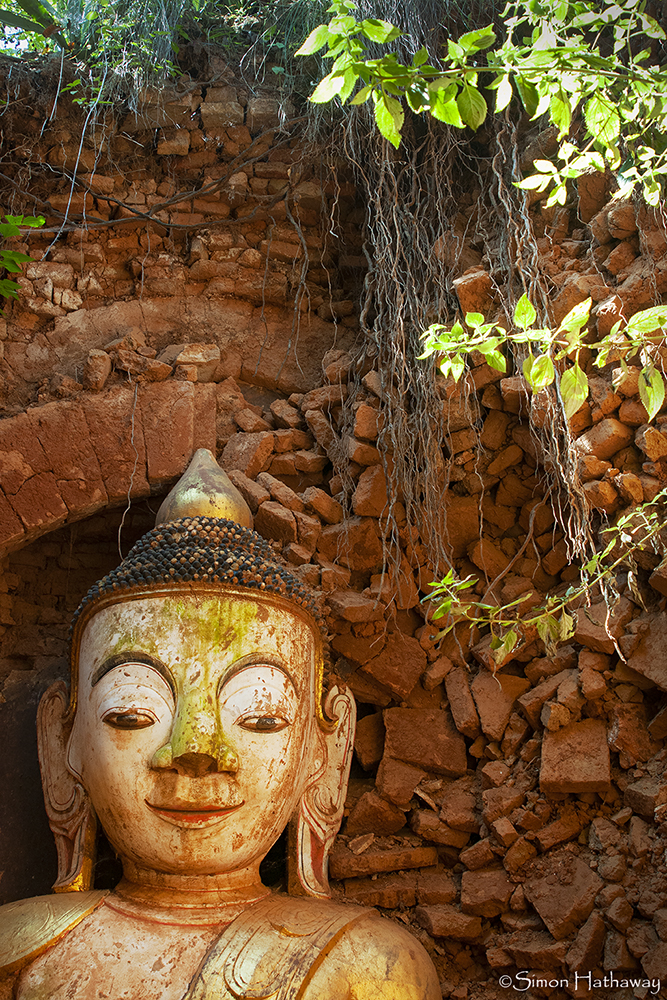
In order to see things as they are, we should not be deluded by illusions. The virtual image of the Buddha is the most typical and strongest illusion that most Buddhists are attached to. The illusion of the Buddha hinders Buddhists from realising the true Buddha. This is why ancient masters advised their students to kill the Buddha. So, ‘killing the Buddha’ implies ‘removing the illusion of the Buddha’, or ‘not being deluded by the illusion of the Buddha’. What should be kept in mind is that the Buddha is formless and whatever can be killed is not the Buddha.
Joshu said, “A clay Buddha cannot cross water because it collapses. A steel Buddha cannot cross a forge because it melts down. A wooden Buddha cannot cross fire because it burns. What is the true Buddha?”
Student: “What is the true Buddha?”
Master: “It never collapses, never melts down and never burns.
Commentary:
Seeing what doesn’t change in what changes is seeing the Buddha.
Daikaku came for an interview with Rinzai. Rinzai lifted up his fly whisk. Daikaku spread out his prostration mat. Rinzai then threw down his fly whisk and Daikaku took up his prostration mat and entered the monks’ hall. The monks gossiped, “Surely this monk is not a new comer but a close friend of Rinzai; he approached him without bowing, and yet did not receive the stick!” Upon hearing this, Rinzai sent for Daikaku and said, “The monks say that you haven’t greeted me politely yet.” Daikaku commented, “How are you?” and simply rejoined the monks.
Commentary:
Rinzai tested Daikaku by lifting up his fly whisk; he asked Daikaku if he could recognise the true-Self whilst revealing the true-Self by his action. Daikaku lost no time in responding properly according to the circumstances by spreading out his prostration mat and revealed the true-Self with his action. Rinzai tested him once more by throwing down his fly whisk, and Daikaku didn’t hesitate to reply by taking up his prostration mat and entering the monks’ hall. They made beautiful harmony.
The reason why the monks gossiped, “Surely this monk is not a new comer but a close friend of Rinzai; he approached him without bowing, and yet did not receive the stick!” was that they were deluded by the illusions of the words and behaviour that Rinzai and Daikaku performed without discerning what they showed to each other. Aware of this, Rinzai sent for Daikaku and revealed the true-Self one more time for the monks by saying, “The monks say that you haven’t greeted me politely yet.” Daikaku, sensing Rinzai’s intention, properly responded by revealing the true-Self through saying, “How are you?”
A. You should remember that the person whom you inflicted harm upon is still suffering from the harm you did to him or her. An apology is your share, and forgiveness is his or her share. You should not think that your apology will easily undo what you did. A true apology is to understand your victim’s mind that can’t forgive you and wait until his or her wound is healed with the pain and bad memory fading away.
In Buddhism, seeing one’s own suffering as empty is wisdom, and seeing others’ suffering as one’s own is compassion. You should see your mental stress from being unforgiven as empty and your opponent’s suffering as yours.
Joshu said, “A clay Buddha cannot cross water because it collapses. A steel Buddha cannot cross a forge because it melts down. A wooden Buddha cannot cross fire because it burns. What is the true Buddha?”
Student: “What is the true Buddha?”
Master: “It is in the three Buddhas?”
Commentary:
The Buddha is in everything, but it is not a thing.
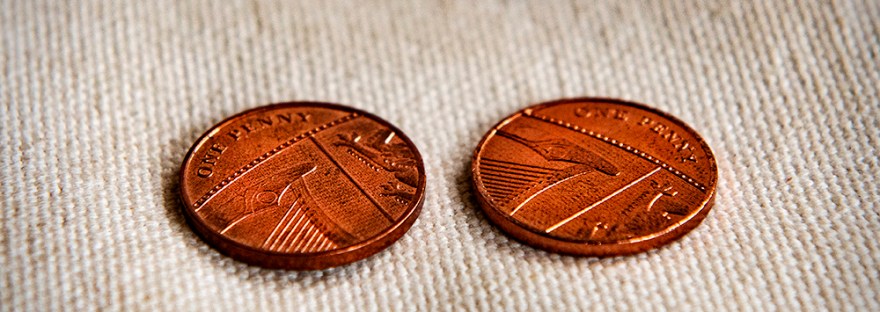
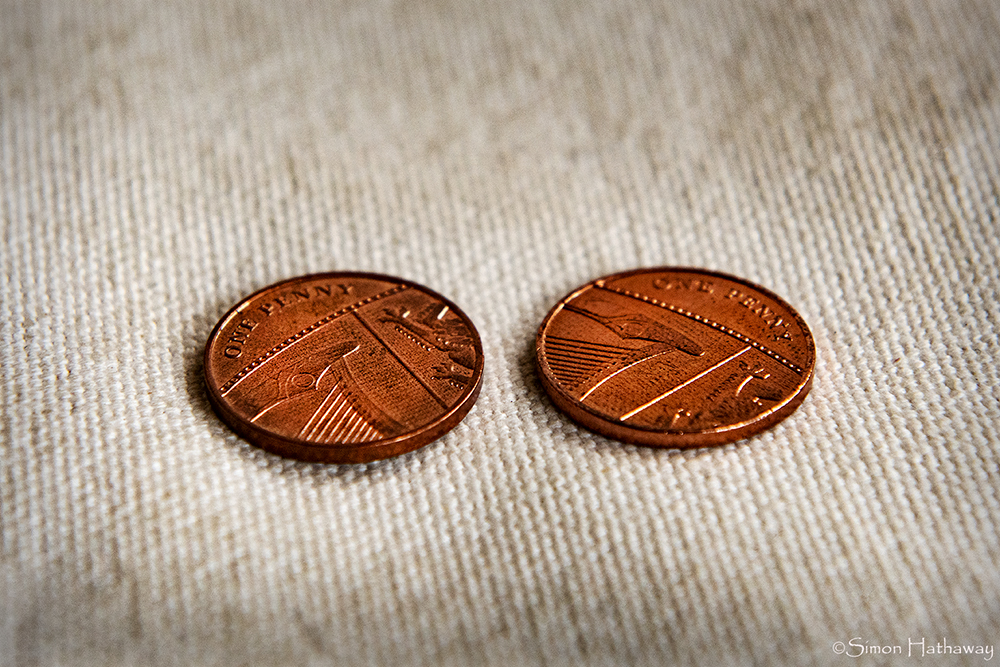
On seeing a monk approach, Rinzai stretched out both hands, palms upwards. The monk made no response. Rinzai said, “Do you understand?” The monk said, “No, I do not.” The master said, “What an idiot! I give you two pence as travel expenses.”
Commentary:
When Rinzai, stretching out both hands, said to the monk, “Do you understand?”, he was asking the monk whether he could recognise the true-Self that Rinzai himself was revealing. Unfortunately, the monk failed to grasp Rinzai’s intention. Sensing that the monk missed the point, Rinzai added, “What an idiot! I give you two pence as travel expenses,” which means, “I reveal the true-Self one more time to you for the cost of your trouble in coming here. This is what the reward for the effort you made to come to see me.” The heart of the problem here is whether the readers who are reading this can really obtain the ‘two pence as travel expenses’.
A. The Buddhist concept of paradise is not to build a new paradise on the earth from scratch, but to realise that where each of us stands is no other than paradise itself. The problem is that we cannot recognise paradise while staying there because we are deluded by illusions. We can enjoy it only if we become free from illusions.
So, Buddhism is not a religion that encourages us to pursue a paradise that is somewhere remote beyond our reach, but a religion that helps us to realise that we are already in paradise, by letting us know why we cannot realise the fact and teaching how to discern it. In fact, the idea of creating a new paradise is just another illusion.
Joshu said, “A clay Buddha cannot cross water because it collapses. A steel Buddha cannot cross a forge because it melts down. A wooden Buddha cannot cross fire because it burns. What is the true Buddha?”
Student: “What is the true Buddha?”
Master: “Joshu showed it.”
Commentary:
The Buddha never moves, but there is nowhere that He doesn’t reach.








 Zen Fools