Buddhism, Enlightenment, Happiness, Koan, Meditation, Practice, Zen

Q17. We were asked, “You are bound at the wrist and feet and holding on to a branch by your teeth above a canyon….a guy comes along and shouts ….’Give me your name, or I will shoot you!’ What would you do?” I meditated on this for some time, then asked “is the answer to let go?”……as in to achieve enlightenment, do we have to learn to let go of everything we have been programmed to believe and look beyond the here and now?

A. ‘Let go of’ or ‘put down’ are very popular words among people who are interested in meditation, or how to keep their mind calm. They are very nice phrases and I never discourage you from letting go of or putting down. I do hope you can let go of or put down all things. In order to let go of things, we should be able to see everything as it is, by seeing ourselves as we are. If we can’t see things as they are, we can’t let go of things. As far as I know, some people are so anxious that they sometimes tend to fool themselves into believing that they let go of everything, pretending to let go of everything.

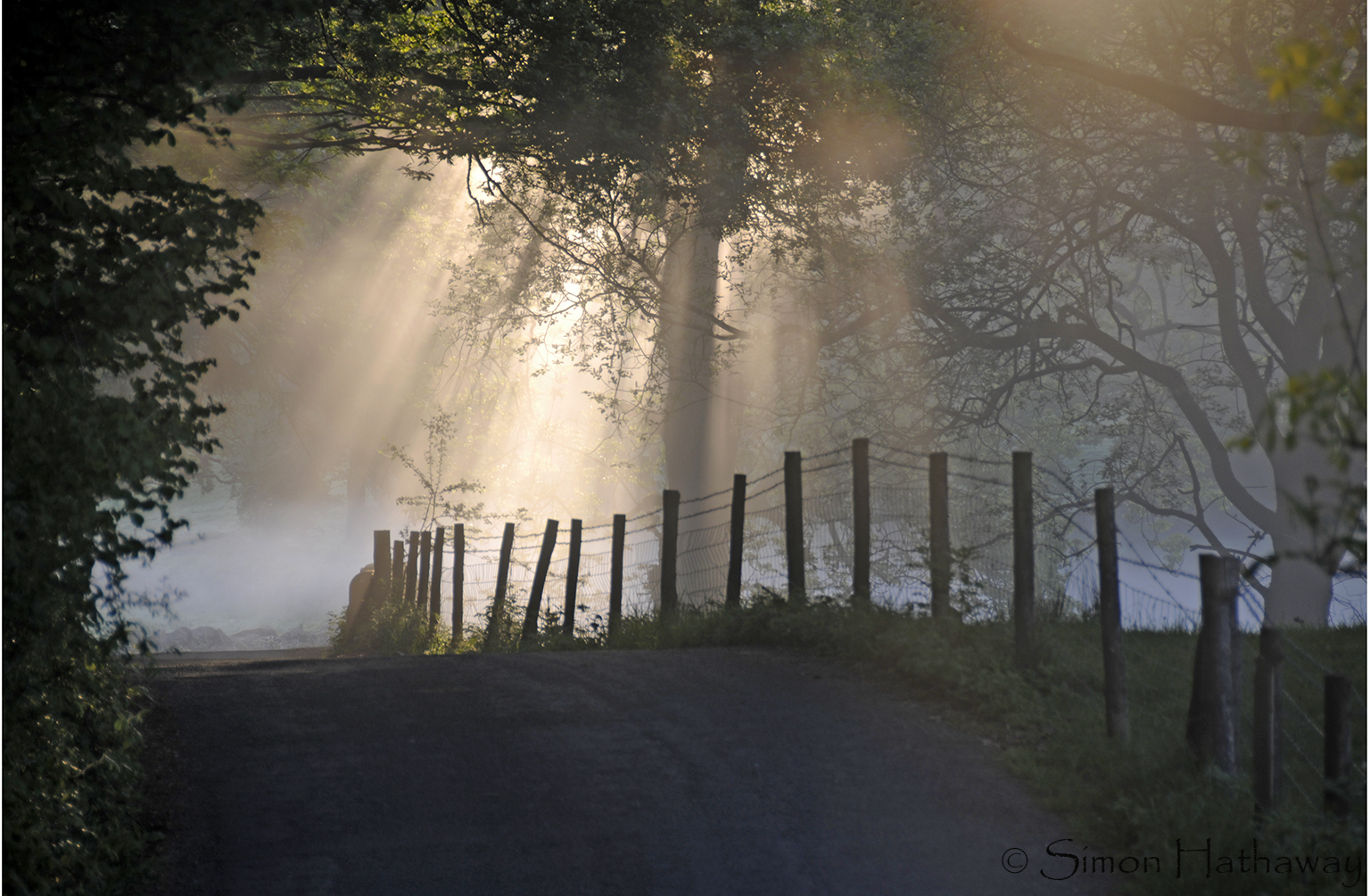
Esthwaite_Panorama-Summer_thumb
How can we let go of things when we don’t know what we are? When we can see everything as it is, by seeing ourselves as we are, we come to let go of things without any effort. So, I encourage you to try to see things as they are, rather than try to let go of things. When you focus all your attention to seeing yourself as you are, all your troubles will steal away and you will find that your problems are not a problem at all. The key point of letting go of things is not to let go of things, but to realise there is nothing to let go of.

Don’t try to let go of things.
That will only impose one more work on you.
How could you let go of things while not knowing what you are?
When you can see everything as it is, all your troubles will disappear before you let go of them.

All writing ©Boo Ahm. All images ©Simon Hathaway.
Buddhism, Enlightenment, Happiness, Koan, Meditation, Mind, Practice, Zen

Q13. Is seeing things as they are the same as uncovering the truth and is uncovering the truth the same as finding happiness?

A. Yes, uncovering the truth, you will be able to see everything as it is. Then you can see happiness. You will find you yourself are happiness itself. However, don’t think the truth is covered with something. The truth is always revealing itself everywhere at all times. The problem is that we are covered with fixed ideas or stereotypes. So our practice is to trying to see ourselves as we are without any stereotypes or fixed ideas.

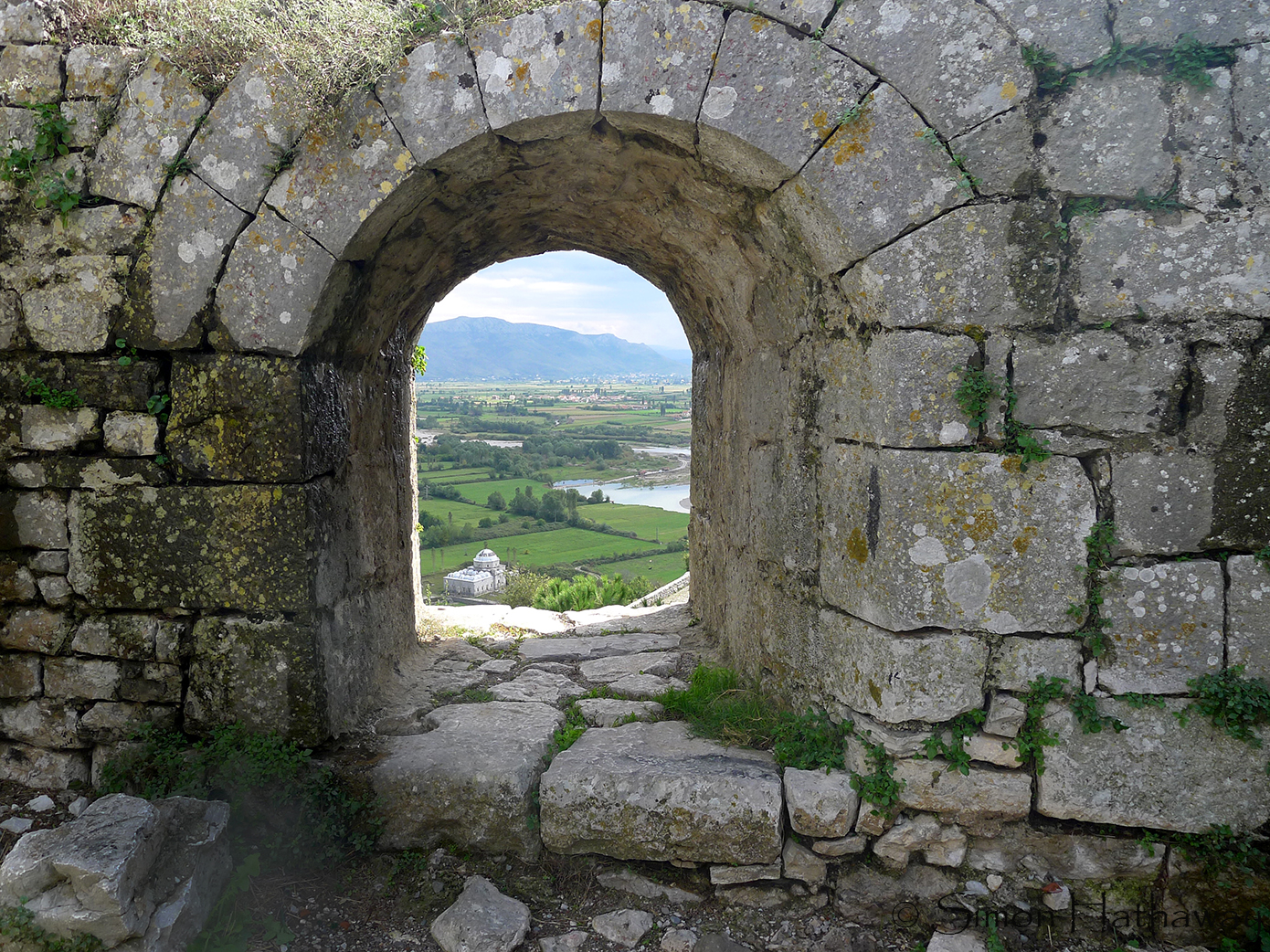
P1190319a_thumb - Copy
All writing ©Boo Ahm. All images ©Simon Hathaway.
Buddhism, Enlightenment, God, Meditation, Practice, Religion, Zen

Q12. Do we have to have God or religion in Zen meditation?

A. No. As I said, I neither ask you to do something nor discourage you from doing something. I only ask you to try to see things as they are. When you see things as they are, whatever you do depends on you. Now how can you have God when you don’t know what you are and what God is?

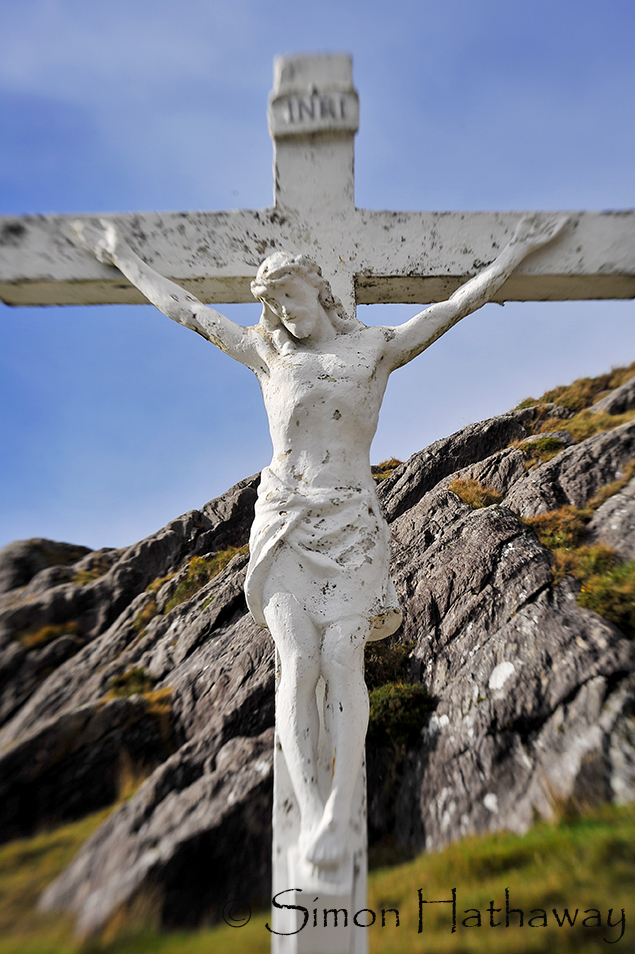
SRH_8938a_thumb - Copy

All writing ©Boo Ahm. All images ©Simon Hathaway.

Buddhism, Enlightenment, Happiness, Meditation, Mind, Practice, Zen

Q11. You say we can only be happy when can know what we are when we are not this body, but is it not that peace and happiness is found when we let go of needing to understand what we are and learn to just be?

A. It is one thing to say we can be happy, when we let go of needing to understand what we are and learn to just be, and it is another to be able to just be and be happy when you are faced with unexpected and frustrating tragedies in reality. You say you let go of bad things. It is fine if you can. However, how can you let go of something when you don’t know what you are, that is, you don’t know who lets go of? We can read such good words in books but it is another story to put them into practice until we can see things as they are.

_SRH0156a_thumb - Copy

All writing ©Boo Ahm. All images ©Simon Hathaway.

Buddhism, Enlightenment, Meditation, One, Practice, Religion, Zen

Q10. Do we need to be a Buddhist to practice Zen meditation?

A. Do we need to be a Korean to eat Korean food? Anyone can try it if he thinks it is good for his or her health regardless of his or her nationality. Likewise, anyone can practice Zen meditation regardless of his or her religion.
_SRH3321_thumb - Copy

All writing ©Boo Ahm. All images ©Simon Hathaway.

Buddhism, Enlightenment, Happiness, Meditation, Mind, One, Practice, Truth, Zen

Q5. Then, how can we see everything as it is?

A. How do you think we can see everything as it is? It’s very simple, and much easier than you think. We can see everything as it is if we can see ourselves as we are, because we can see things only through ourselves. I can see everything as it is when I can see myself as I am. So, Zen is also said to be a kind of a practice to see ourselves as we are. Then how can we see ourselves as we are? How can you see yourself as you are? OK. Now, I am asking you a question? Do you have a car? Do you have a house? Do you have a mobile-phone? I believe all of you have one of them at least. When you say, “My house is small but very convenient” or when I say, “My car doesn’t work well these days”, what do they mean? When you say, “My house”, it means you own a house. It means a house belongs to you. It never means that you are your house. It never means your house is you. When I say, “My car”, it never means I am my car. It never means my car is me. Am I wrong? Likewise, when we say, “My body”, it never means I am my body, just like I am not my car when I say, “My car”. Then our final question is “What am I when my body is not me?” This is the very ultimate question we should solve, but it might take a lifetime. This is a very simple question but also a very important question for our happiness. Let me ask you one more very similar question. What is your wife when her body is not her, just like your body is not you? What are your mum and dad when their bodies are not them? In fact, we really don’t know what our wives are, what our children are, what our friends are, and so on, just like we don’t know what we are. Let’s suppose I say, “I love my wife.” In this very short sentence I mentioned, I don’t know what the subject “I” is, I don’t know what I am and I also don’t know the object “my wife”, I don’t know what my wife is. In summary, we don’t know what we say when we don’t know what we are. How can I know what I say, when I don’t know what I am? How can I love my wife, when I don’t know what she is? What does it mean when I say to you, “I love you” when I don’t know what you are? In reality, we often say, “I want to be happy”. It is a very natural idea we can have as a human being. However, how can I be happy when I don’t know what I am? How can I be happy when I don’t know who, or what, wants to be happy? This is the way we live our lives without knowing what we are(the essence of our being).

From now on, you take a (long) journey for the purpose of realizing what you are when your body is not you. I want to call this a journey for happiness, because I am sure that this journey will bring you happiness. I invite you to join our journey to happiness.
_SRH3465.psd

All writing ©Boo Ahm. All images ©Simon Hathaway.