illusion, Koan, Meditation, Mind, Zen

Q74. What does ‘escape from the trap of birth and death’ mean?

A. Birth and death are like the right and the left. There is no fixed right side and no fixed left side. The right can be the left anytime and the other way around. Besides, when we are not conscious of right and left, there is neither the right nor the left.

Nobody can deny the fact that we are part of the whole universe. Then is the universe dead or alive? It’s neither alive nor dead. Then are we, part of it, alive or dead? Though we define a given part of universe as birth or death, actually there is no birth and no death unless we divide the universe into many with the imaginary lines we produce.
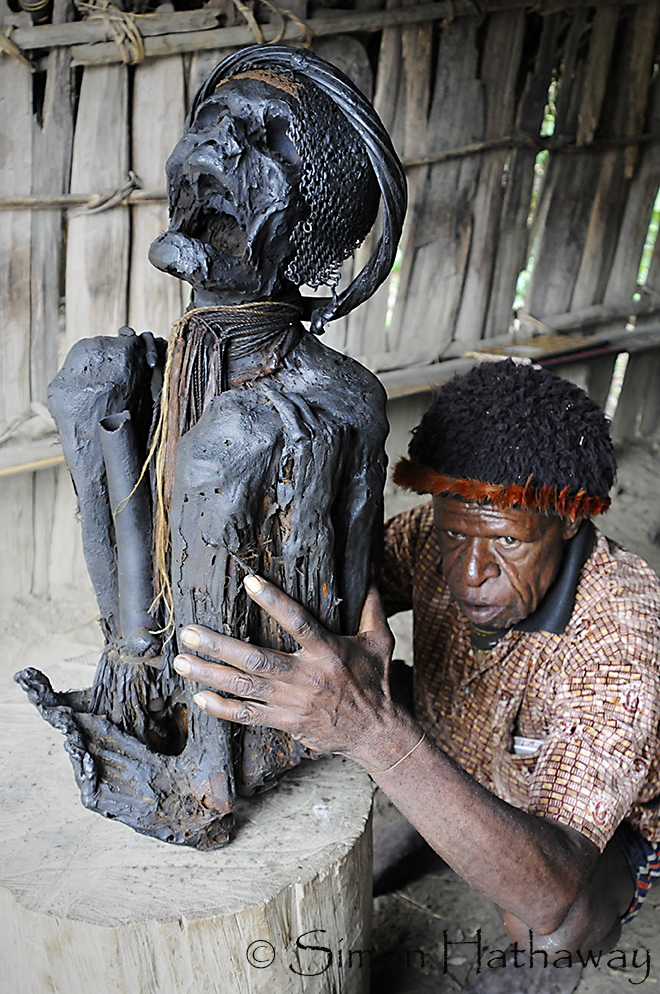
_SRH9157a_thumb

There is no birth and no death unless we are conscious of them. To conclude, to experience in person the fact that birth and death are nothing but an illusion, like the right and the left, is to escape from the trap of birth and death.

©Boo Ahm

Meditation, Mind, Practice, Truth, Zen

Q37. Some masters advise us to stop thinking. How can we live our life without thinking?

A. When masters advise you to stop thinking, to stop thinking has two kinds: before and after reaching the final goal. When they use it in the former sense, they usually mean not that you should stop thinking in your life, but that you should not try to find the answer to the Zen question through thinking, or knowledge, during the practice. Since the purpose of Zen practice is to free you from the web of illusions but thinking produces illusions, the more thinking you do, the more complicated you make it. That is why masters urge you to stop thinking.

P1200946a_thumb

However, the latter is to stop thinking in the truest sense that is possible, when you have reached the final goal, which means to think without being trapped in illusions. In a word, when they tell us to stop thinking, what they mean is not to stop thinking, but to think without being trapped in illusions.

All writing ©Boo Ahm. All images ©Simon Hathaway.

Buddhism, Enlightenment, Meditation, Practice, Zen

Q28. In Zen practice, it seems that we try to find our way of a kind of trap. Furthermore, it appears that we make this more complicated by our use of language and thinking. How is it that we initially find ourselves in this situation? Is the idea that we are even in such a predicament, not itself also an obstacle to our understanding of truth?

A. In Zen practice, you can feel the same way as if you were in caught in a trap. It seems that the harder you struggle to get of it, the more complicated you make it. As a matter of fact, that is the way you feel when you strive to find your way out of it by the use of language and thinking. Such a Zen practice is compared to a struggling insect caught in a spider’s web.

P1150430a_thumb - Copy

Trying to free yourself from it through language and thinking is like trying to wash a mud-stained dress with muddy water because it is your language and thinking that are the trap keeping you bound. We are so addicted to the trap that we cannot distinguish ourselves from the trap. Actually, we can’t see a trap as a trap because our eyes are veiled by the trap. To rid yourself of the trap of language and thinking and see yourself free of the trap is the purpose of Zen practice and that is to see yourself as you are. Remember you can’t escape the trap by means of your language and thinking, and keep the question “What am I when my body is not me?” When your practice is going well, your life seems to become simpler.

All writing ©Boo Ahm. All images ©Simon Hathaway.