A. Master: “Not difficult at all.”
Student: “Do it for me, Sir.”
Master: “Difficult.”

Commentary:
Don’t draw a bow after the thief ran away.
If I were asked to do it, I would say, “Easy”.
©Boo Ahm
All writing ©Boo Ahm. All images ©Simon Hathaway

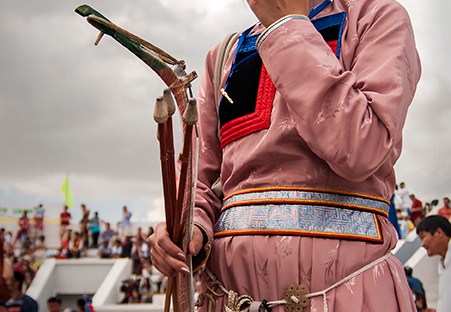
A. Master: “Not difficult at all.”
Student: “Do it for me, Sir.”
Master: “Difficult.”
Commentary:
Don’t draw a bow after the thief ran away.
If I were asked to do it, I would say, “Easy”.
©Boo Ahm
All writing ©Boo Ahm. All images ©Simon Hathaway
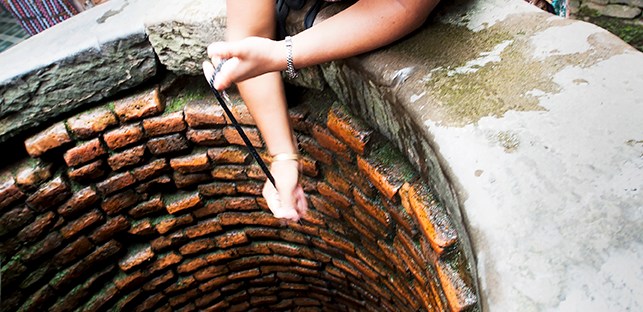
A. Master: “An old well.”
Student: “What is it like?”
Master: “Its bottom is invisible.”
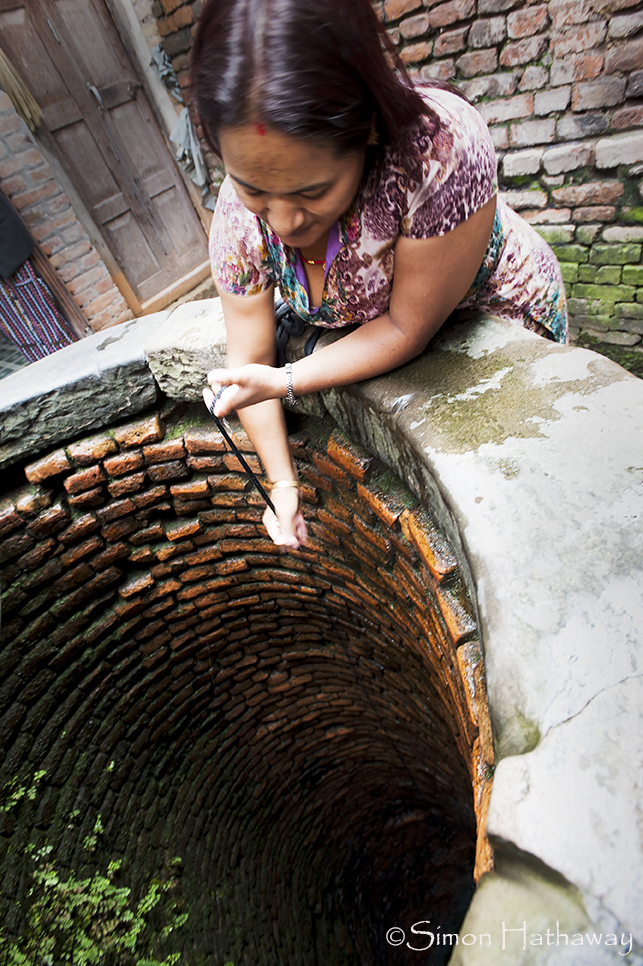
Commentary:
It is too deep to see the bottom of it.
It will quench your thirst forever if you drink it.
©Boo Ahm
All writing ©Boo Ahm. All images ©Simon Hathaway

A. Water represents our illusions. ‘Walking on the water’ symbolises ‘living free from the trap of illusions’, that is, Jesus didn’t sink in illusions, which means he was not fooled by them. The scenario that they were fishing in the water is symbolising our life that we are leading in illusions. The fact that Peter started walking on the water to Jesus means that he had a strong faith in Jesus and believed the water to be an illusion, even though he didn’t realise the truth himself. The scene, where noticing the strong wind, Peter was afraid and started to sink down in the water means that he didn’t realise the wind was also an illusion because he was not enlightened.

©Boo Ahm
All writing ©Boo Ahm. All images ©Simon Hathaway

A. If you are anxious to know where you will go after death, you should know where you are now. How could you expect to know your future which is invisible, not knowing the present right before your eyes? Once you know where you are standing now, you can know not just where you will go after death but also where you were before you were born. In order to know where you are, you, first of all, should know what you are. How could you know where you are, not knowing what you are?

Your true-self is not born and does not die. It has always been and will be the same without any change forever. It never changes at all. You are eternity itself. Death and birth are only illusions. The problem is that you are not aware of this truth because you can’t see things as they are. The end of Zen meditation is to experience the truth through your body.
Do you want to know where you will go after your death?
Watch carefully what you are stepping on.
©Boo Ahm
All writing ©Boo Ahm. All images ©Simon Hathaway

A. Thoughts are to mind what winds are to the air and waves are to the sea. In other words, thoughts are the actions of mind, and thoughts are temporary but mind is permanent. In brief, mind is the root of all thoughts, and is called true-self as well in Buddhism.

When we can see mind, the root of thoughts clearly, we can control thoughts, but most people are controlled by them because they cannot see mind for thoughts. After all, we become enslaved by the thoughts produced by us. Zen meditation is a practice to see mind.
©Boo Ahm
All writing ©Boo Ahm. All images ©Simon Hathaway

A. Master: “It’s like a mountain.”

Commentary:
Oh! Mountain!
It’s also like a rat.
If I were asked the question, I would say, “A mountain runs like a rat.”
©Boo Ahm
All writing ©Boo Ahm. All images ©Simon Hathaway
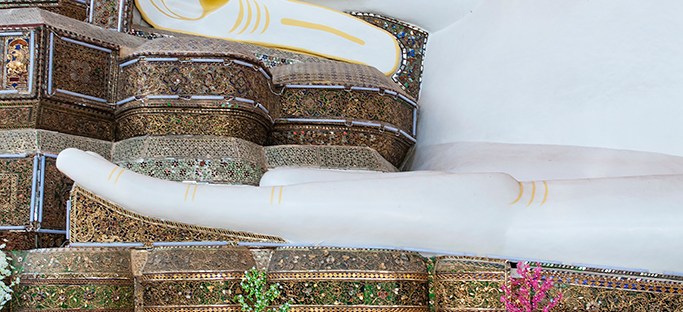
A. Discussions on Zen meditation and the Dharma are a very important part of our practice because we can help one another through them. In order to make the discussions efficient and helpful, special attitudes are required for these discussions, especially in the absence of a master who has can guide us.
When you ask your Zen friend a question, you should think you are not asking your friend, but Buddha the question and listen to him in the same way. When you are not satisfied with his answer, either because you don’t understand his answer or because you think he is giving a wrong answer, you should blame yourself for not understanding his perfect teaching rather than think he is wrong. You should keep in mind that he is telling you the truth regardless of whether his answer is right or wrong.

When you are asked a question, you should regard the questioner as Buddha and think you are being tested by Buddha. Be frank about your practice, and try your best to make the best answer you can. Be neither happy because he agrees with you, nor unhappy because he doesn’t, since his approval itself doesn’t advance your practice and his disapproval doesn’t disturb your progress.
When you ask, asking itself is important because the answer is in your asking. When you listen, listening itself is important because the answer is in your listening. When you answer, answering itself is important because the answer is in your answering. In summary, what matters is all in you, not out of you.
©Boo Ahm
All writing ©Boo Ahm. All images ©Simon Hathaway

A. Master: “I am you.”
Commentary:
Watch out!
You are prone to fall into the den of ghosts.
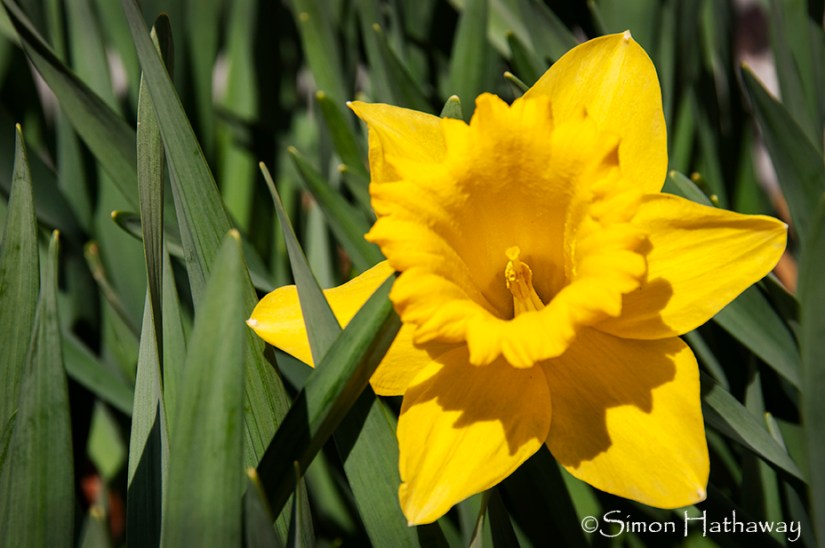
When the master is the student, what are they?
Daffodil.
©Boo Ahm
All writing ©Boo Ahm. All images ©Simon Hathaway

A. If we really know that everything is an illusion, we don’t have to make an effort to attain enlightenment since enlightenment is also then an illusion. The reason for trying to obtain enlightenment is that we have not realised in person the truth while saying that everything is empty. The knowledge of enlightenment is not enlightenment itself. The former is as different from the latter as the knowledge of a meal is different from eating the meal. The knowledge of enlightenment can no more give us eternal happiness than the knowledge of food can satisfy our hunger. We practise in order to experience, in person, the truth that everything is empty.

©Boo Ahm
All writing ©Boo Ahm. All images ©Simon Hathaway
A. I never ask you to try to know Buddha that seems to be far above us. Now I am encouraging you to realise what a sentient being is because you know that you are a sentient being.
The key problem, however, is that you don’t know what a sentient being is, because you don’t know what you are even though you say that you are a sentient being. What matters is that Buddha is he who knows what a sentient being is, since Buddha is he who can see himself as he is because Buddha and sentient beings are from the same root. In brief, Buddha is none other than a sentient being who can see himself as he is.
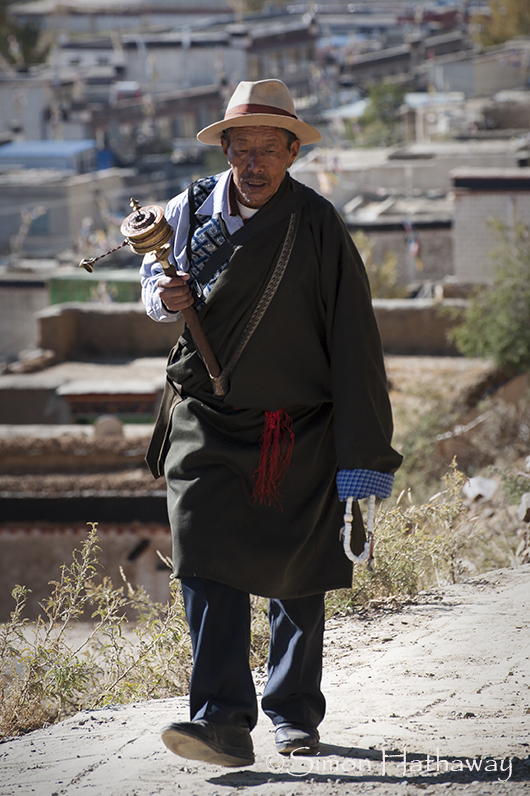
A Buddha who can’t see his True-self is a sentient being.
A Sentient being who can see his True-self is a Buddha.
©Boo Ahm
All writing ©Boo Ahm. All images ©Simon Hathaway
 Zen Fools