A. Master: “Scattered.”
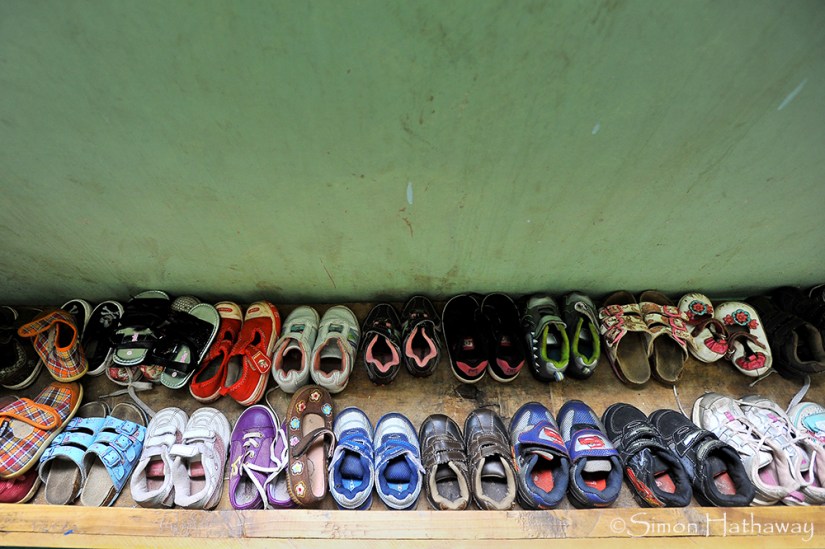
Commentary:
Scattered, scattered.
How clear it is!
One swallowed the other.
©Boo Ahm
All writing ©Boo Ahm. All images ©Simon Hathaway

A. Master: “Scattered.”
Commentary:
Scattered, scattered.
How clear it is!
One swallowed the other.
©Boo Ahm
All writing ©Boo Ahm. All images ©Simon Hathaway

A. The physical problems that we experience due to aging, unexpected injuries from accidents and illnesses are, if not desirable, unavoidable challenges that all of us are subject to. The key point here is how to confront them. Our mind is to our body as a driver is to a car. In the same way that how long and how well a car runs depends upon the driver, our physical health counts on our mind.

Zen helps us to see everything as it is, so that we can avoid worsening situations by overreacting to them when faced with difficulties. For instance, there is a saying that the unreasonable fear of cancer is more dangerous than cancer itself. This is because the fear of cancer, if not surmounted, can harm patients more than cancer itself can. This is true when people can’t see things as they are. Zen meditation, by enabling us to see things as they are, helps us to know how to fear what ought to be feared and how not to fear what ought not to be feared. For that reason, I think Zen can help us to deal with our physical problems.
©Boo Ahm
All writing ©Boo Ahm. All images ©Simon Hathaway

A. What makes you think Zen meditation is selfish? Do you happen to think so because Zen doesn’t emphasise compassion during the teaching, that is to say, that we should help the poor or those in trouble? Zen expresses the same message in a different way.
Zen teaches people that we are one with the poor and the weak, that is, they are part of us and we are part of them by getting people to realise the truth that we are oneness with all the universe, rather than say that we should help them.

Which is the more appealing and more persuasive of the following two scenarios, “This boy lost his parents and has no food to eat and no shelter to live in. We should help him because he is likely to become a criminal and harm our society in the future if he is left uncared for now” or “Take a close look at this boy. This is part of you.”? This is what the Biblical scripture, ‘Love your neighbour as yourself’ means.
©Boo Ahm
All writing ©Boo Ahm. All images ©Simon Hathaway
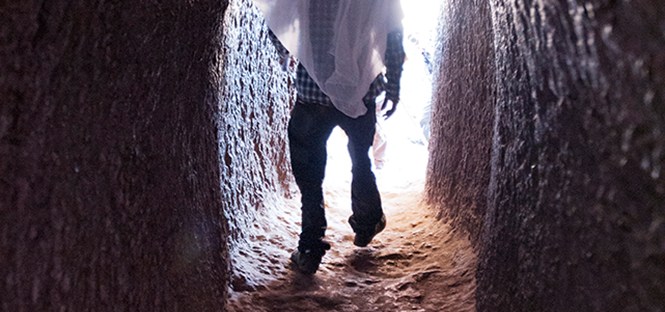
Q. Student: “What is the true-self?”
A. Master: “Your body.”
Student: “This also collapses when the universe collapses. What is the true-self?”
Master: “Your body.”

Commentary:
Don’t say that your body collapses.
If you know how it collapses, your true-self will be clear before you.
©Boo Ahm
All writing ©Boo Ahm. All images ©Simon Hathaway
A. There is nothing that is not your true-self. The way all things are showing themselves is the way your true-self reveals itself. The problem is that you don’t see them as they are. In other words, it is not they but you that deceive yourself. The very things that you hear and see are called illusions when you can’t see them as they are, but called your true-self when you can see them as they are. The Sutras say that illusions are the true-self.
So, seeing and hearing what you are looking at, or listening to, at this moment as they are, is both eliminating illusions and seeing your true-self. Jesus said, “Recognise what is in your sight, and that which is hidden from you will become plain to you. For there is nothing hidden which will not become manifest.”

Student: “How can I see my true-self?”
Master: “Don’t forsake your true-self.”
©Boo Ahm
All writing ©Boo Ahm. All images ©Simon Hathaway
 Zen Fools