A. Master: “Your corpse.”
Commentary:
The whole universe is loaded on a small cart.
©Boo Ahm
All writing ©Boo Ahm. Image ©Avijit Datta


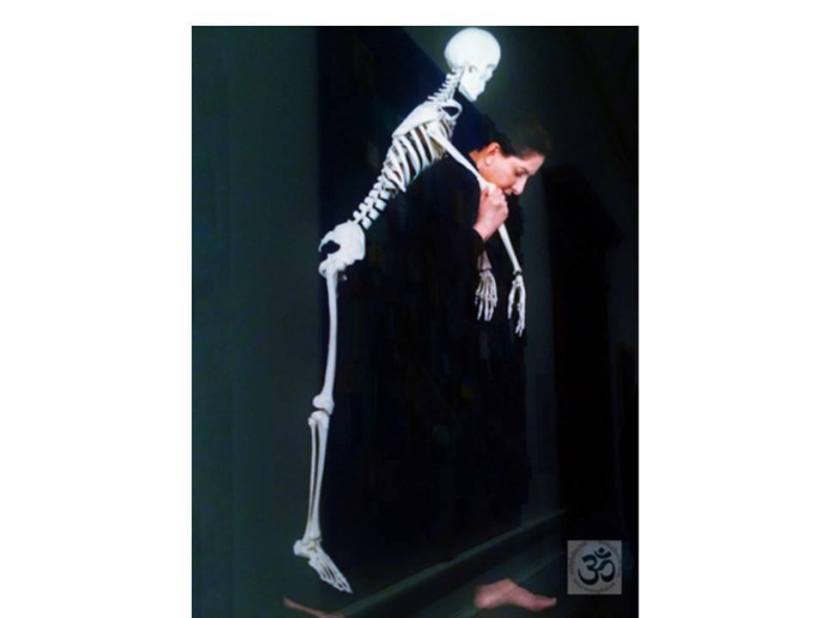
A. Master: “Your corpse.”
Commentary:
The whole universe is loaded on a small cart.
©Boo Ahm
All writing ©Boo Ahm. Image ©Avijit Datta

A. The best way of Zen practice is not to practise only when and where nothing happens to you but to identify everything that you see and hear with your practice. In other words, you should not separate your work from your practice but identify the former with the latter. Then, 24-hours a day can be your practice time.
In fact, everything that makes you bothered and busy is no other than the true-self that you want to see. There is an interesting story about an ancient master. One day he was going through a busy and crowded marketplace, when he saw two people quarrelling, hurling abuse at each other. Upon hearing one of the names they were calling each other, the master attained enlightenment.

Why don’t you think that the reason why your life is so busy is that the true-self is striving to show itself to you and attract your attention? Don’t try to escape from your current situation into a better one for the sake of practice, but try to accept it as a Dharma talk and try to see and hear it as it is. The deeper your practice becomes over time, the easier and more peaceful your life will become.
©Boo Ahm
All writing ©Boo Ahm. All images ©Simon Hathaway

A. The true-self is an illusion and an illusion is the true-self. When you can see, for example, the cup put before you as empty, it is the true-self, but it is an illusion when you can’t see it as empty and see it only as a cup. This is true of everything that you can see and hear; your wife, your friends, your puppy, et cetera. In other words, when you can see things as empty, everything is the true-self. When you can’t see things as empty, everything is an illusion.

A thing doesn’t determine on its own whether it is seen as the true-self or an illusion, but it depends on whether or not you can see it as empty. When you can see everything as empty, you are said to have attained the eye of wisdom or enlightenment. So, an ancient master would say that if you get the eye of wisdom, all the rubbish heaps turn into treasure heaps. When you are enlightened, everything including yourself is perfection itself to you. That is referred to as the Pure Land or the Buddha Land.
Student: “What is the true-self?”
Master: “There is nothing that is not the true-self.”
Student: “Why can’t I see it?”
Master: “Because you seek it while seeing it.”
©Boo Ahm
All writing ©Boo Ahm. All images ©Simon Hathaway
A. Master: “Because both are from the same source.
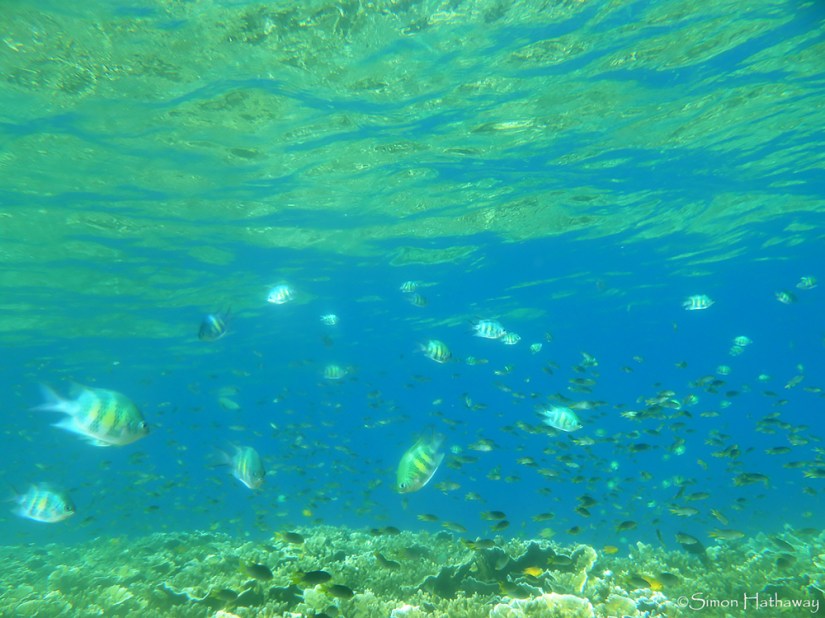
Commentary:
Sea-fish don’t think that seawater is salty, and freshwater fish don’t think that river-water is sweet.
©Boo Ahm
All writing ©Boo Ahm. All images ©Simon Hathaway
A. Don’t think that you have no master around but think that you are not ready to meet him. Ready yourself to meet a master by asking yourself the questions that you will ask a master when you meet him. When a student is ready, a master will appear. When not ready, a student can’t recognise a master even though he appears before him. In fact, he is already beside you and always ready to help you. He is waiting to be recognised by you.

All the people and everything around you are your master. Even you yourself are your master, too. They are giving Dharma talks to you every moment. Even you yourself are giving Dharma talks all the time. The point is that you are still not ready enough to hear the Dharma talk. Make yourself ready to meet him by practising hard and, sooner or later, he will suddenly appear before you.
©Boo Ahm
All writing ©Boo Ahm. All images ©Simon Hathaway

A. The primary means emptiness or the true-self and the secondary forms or illusions. This means that you should not follow illusions while forsaking the true-self. But this doesn’t mean to sort out the true-self from illusions, but means to realise that illusions are no other than the true-self. If you fall into the division of the true-self and illusions and regard illusions as different and separate from the true-self, you come to think that you should follow the former and avoid the latter. This is to be deluded by the illusions of the true-self and illusions, which is to follow the secondary while forsaking the primary. You can stop this by ceasing to discriminate.

©Boo Ahm
All writing ©Boo Ahm. All images ©Simon Hathaway

A. Master: “How can I explain it better than you?”

Commentary:
Wisdom never scolds or speaks ill of foolishness.
©Boo Ahm
All writing ©Boo Ahm. All images ©Simon Hathaway

A. A goal comes from desire. It is a concrete expression of your desire. I never tell you not to have desire or a goal in your life. As you said, your desire is the motive to develop the world into a better place to live in. You love your family, and your goal in life is to make enough money to help them to enjoy an easy and comfortable life. Love is also another expression of desire.
The key problem is that we don’t control desire but are controlled by it. And we have seen what miserable and even disastrous things it can lead us to do when our life is run by our desire.

What I mean is not that desire is bad and that you should not have it, but that we should be able to drive our desire instead of being driven by it through realising the root of your desire. When, aware of the root of your desire, you can run your desire instead of being run by it, your desire is called compassion. What Zen says is not that we should not have desire but that you should turn it into compassion, wise desire.
©Boo Ahm
All writing ©Boo Ahm. All images ©Simon Hathaway

Matthew 5:29,30: 29) “So if your right eye causes you to sin, take it out and throw it away! It is much better for you to lose a part of your body than to have your whole body thrown into hell. 30) If your right hand causes you to sin, cut it off and throw it away! It is much better for you to lose one of your limbs than to have your whole body go off to hell.”
A. Here your whole body means your true-self or your whole life, and parts of your body such as eyes and hands means illusions. To remove your eyes and hands means to stop following illusions. Having your whole body thrown into hell refers to leaving your true-self lost and living in the world of illusions. So, ‘losing parts of your body is much better than having your whole body thrown into hell’ means that to stop following illusions, although it is not easy, is much better than to live in the world of illusions.

Student: “How do you prevent your eyes and hands from sinning?”
Master: “I don’t have eyes and hands to sin.”
©Boo Ahm
All writing ©Boo Ahm. All images ©Simon Hathaway

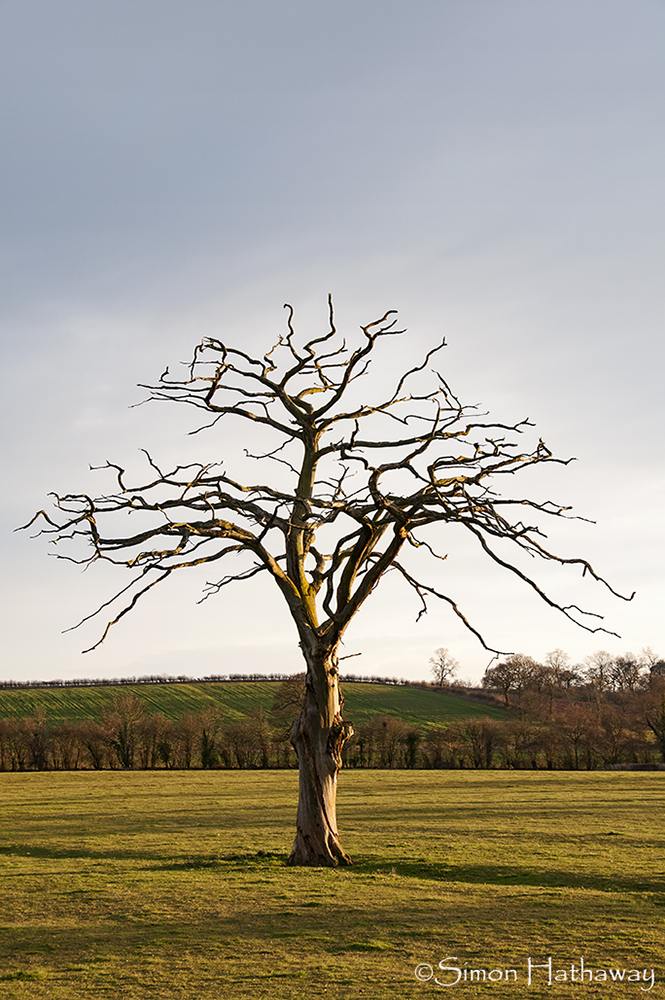
A. Master: “Its body is revealed.”
Commentary:
Look look. Do you see its body now?
Don’t say that it is beyond words.
Even a child can explain it.
©Boo Ahm
All writing ©Boo Ahm. All images ©Simon Hathaway
 Zen Fools