A. Milk. Milk.

Commentary:
Why do you see only water when the master says, ‘Milk’?
Look and listen the other way around.
©Boo Ahm
All writing ©Boo Ahm. All images ©Simon Hathaway

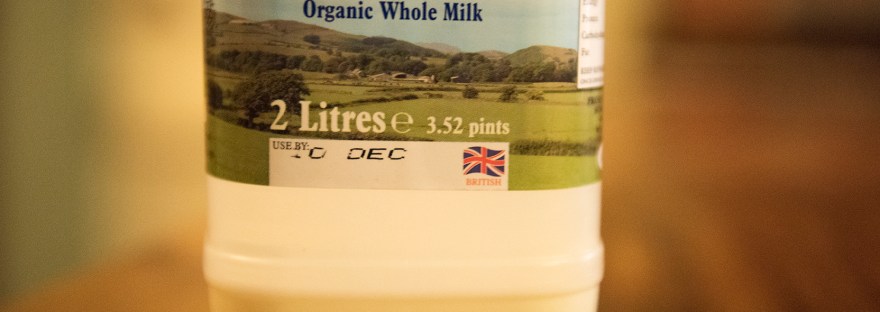
A. Milk. Milk.
Commentary:
Why do you see only water when the master says, ‘Milk’?
Look and listen the other way around.
©Boo Ahm
All writing ©Boo Ahm. All images ©Simon Hathaway

A. Don’t try in vain to remove your ‘I’. You can’t do so because you don’t know what it is. Just try to know what you are when your body is not you. When you reach the final goal, you realise that it is not worth mentioning ‘I’. In short, the illusion of your ‘I’ will disappear. Then, you can be said to experience or realise ‘non-ego’.

When you can’t see yourself as you are, you see the illusion of your ‘I’ as yourself. When you can see yourself as you are, you come to realise the essence of your being, your true-self called Buddha Nature. When you don’t know what you are, your ego is you, but when you know what you are, you have no ‘I’ to remove. Then you feel oneness.

A. I think this is a question that can occur to you when you think your true-self is in your body and that it is so pure and holy that it has nothing to do with bad things like hell.
There is nothing larger than your true-self. Your true-self has infinite room left even when it houses millions of universes. All things imaginable, whether good or bad, happen only in your true-self. Nothing happens out of your mind. When you go to the hell, your going to hell happens in your true-self, and when going to the heaven, you go there in your true-self as well.

Your true-self never judges right or wrong since it is always neutral or empty. It has no heaven and no hell. It neither helps you go to the heaven nor prevents you from going to the hell and vice versa. It is your discrimination that creates heaven or hell and makes you go to it.
©Boo Ahm
All writing ©Boo Ahm. All images ©Simon Hathaway
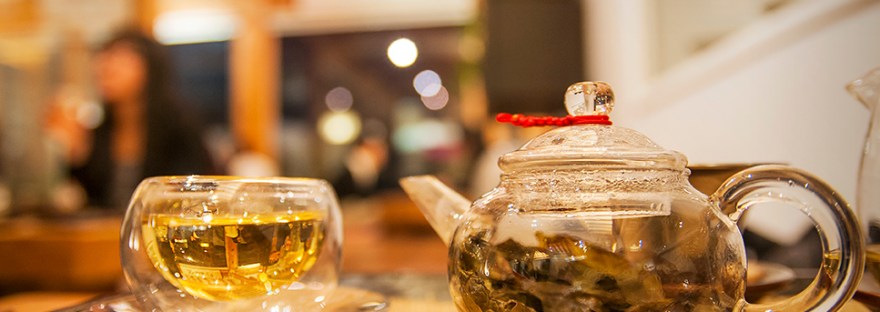
A. This is not a matter of whether to fill or empty, but a matter of realising what the mind is. The ultimate end of Zen meditation is to realise what the mind that you are going to fill or empty is.
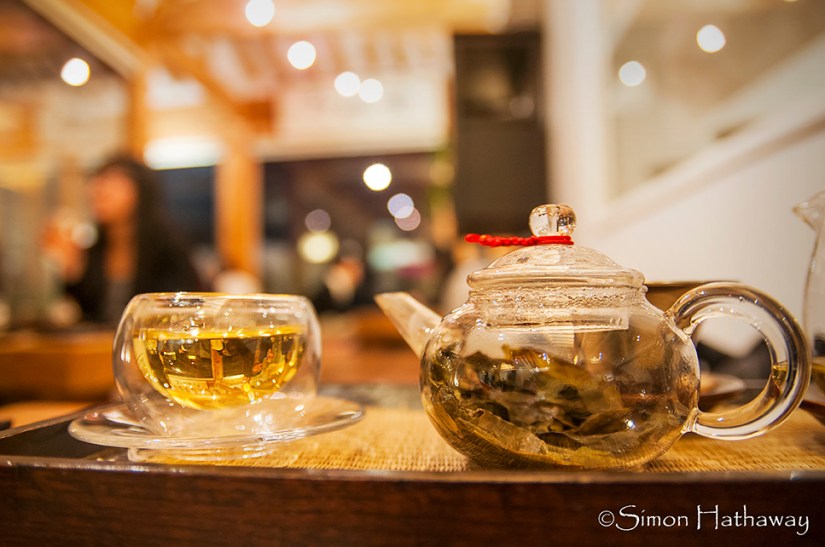
This question shows well how unaware we are of what we say and how imprudently we are seeking happiness. How could we fill or empty the mind while not knowing what it is? In fact, it is because you don’t know what your mind is that you have such an idea of filling or emptying it. Once you get to see it clearly, you will realise that it can’t be filled or emptied because it is perfect, and that you are happiness itself.
©Boo Ahm
All writing ©Boo Ahm. All images ©Simon Hathaway

A. To those who are not enlightened, it can seem to be the final end of Zen meditation as well as a process for wisdom and compassion for others. However, to the enlightened, it can be said to be the final end because they feel oneness or non-duality.

After enlightenment, whatever they may do, whether wise or compassionate, it is the action of the truth. They do all things without doing since they are free from all illusions. Wisdom is not wisdom any more, and compassion is not compassion any more but an illusion to them. There is nothing else other than the truth after enlightenment. So enlightenment is the final end.
©Boo Ahm
All writing ©Boo Ahm. All images ©Simon Hathaway

A. It is a very common saying in Zen that we should discard ‘I’ in order to attain enlightenment. This saying, however, is like putting the cart before the horse. This nonsensical saying is possible because we don’t know what we say. How would it be possible to discard ‘I’ without so much as knowing what it is? However hard we may try to discard ‘I’, it never disappears unless we realise what it is.

In fact, it is can’t be removed by force but disappears by itself when we realise what it is. The truth is not that it disappears, but that you realise that there is no ‘I’. In other words, you should realise that what seems to be your ‘I’ is just an illusion.
Trying to remove your ‘I’ without knowing what it is, is like trying to sweep away a shadow cast on the ground. If you are to remove your ‘I’, try to realise what it is instead of trying in vain to eliminate it.
©Boo Ahm
All writing ©Boo Ahm. All images ©Simon Hathaway
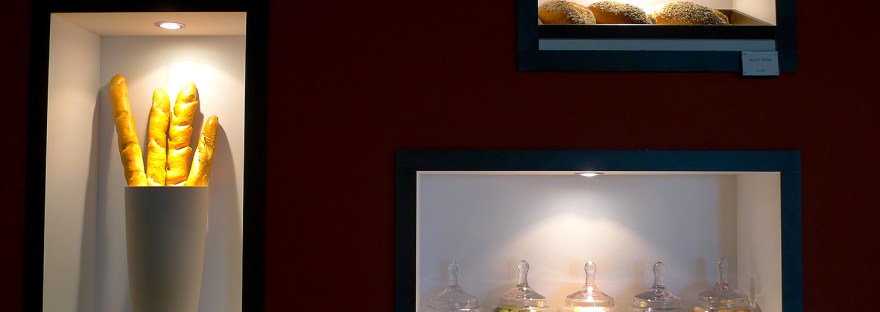
A. First of all, never try to satisfy your curiosity about Zen or enlightenment by reading books. When you hit upon a question during practice or when reading books concerning Zen, don’t depend on books for the answer to your question. The books will present you with new questions, which will lead you to read more books and they will pose yet more questions. This will be endless. That is like trying to meet your hunger with pictures of food. You can not reach the final goal through reading books any more than you can satisfy your hunger by looking at pictures of food.

When you encounter a question beyond your understanding, ask yourself the question rather than consult another book. It might take some time, but you will never fail to get the right answer from yourself. So, ancient Masters would say that reading for a day is not as valuable as practising for an hour.
Remember that Buddha attained enlightenment not by reading books but by practice. When he was asked by his disciples on his deathbed how they should practice after he passed away, he replied, “You should practice depending on the lantern of yourself and the Dharma”.
©Boo Ahm
All writing ©Boo Ahm. All images ©Simon Hathaway

A. No, they won’t disappear in that way. You can’t win the fight.
When a thought arises, you can’t lock it in even with thousands of locks, can’t tie it up even with thousands of ropes, or destroy it even with a heavy hammer.

Don’t distinguish it as either good or bad, and also don’t try to stop it. Distinguishing between good and bad is adding one more thought to the existing thoughts, and trying to stop them is strengthening them. Fighting with thoughts is like fighting with shadows as long as you don’t realise the root. Leave them alone and just trace them back to their root. All the various thoughts are from the same root. The moment you realise the root of the thoughts, they will lose their power and change from your enemy to your servant.
©Boo Ahm
All writing ©Boo Ahm. All images ©Simon Hathaway

A. The antidote for the poison of ignorance is wisdom, which means the ability to see everything as it is. That enables us to see a piece of broken rope as a piece of broken rope and rotten food as rotten food.
The antidote for the poison of greed is the precepts, which aim to control greed. We should suppress greed artificially before getting enlightened. To obey the precepts in the strictest sense, however, is not to suppress greed artificially but to have no greed to control through realising that everything is an illusion. Only then can we be said to obey the precepts. For example, when we have the wisdom to see everything as it is, we don’t have any desire to run away from the piece of broken rope, or to chase after rotten food because we can see rope as rope and rotten food as rotten food.

The antidote for the poison of anger is stillness, which naturally comes about when we obey the precepts. That is, when we obey the precepts, we have no greed. Then we need not struggle to fulfill our greed. When we don’t have to strive to satisfy our greed, there is no anger or disappointment that comes from the failure to meet our greed. Then our life becomes still.
In fact, the core of the three poisons is ignorance, and that of the three antidotes is the wisdom to see things as they are.
©Boo Ahm
All writing ©Boo Ahm. All images ©Simon Hathaway


 Zen Fools